

Immunologist of the Month
Every month we feature a new interview with an Immunologist. These Immunologists are at the cutting-edge of research and education, they have kindly offered to give us their time and insight into their research and studies.
September 2026
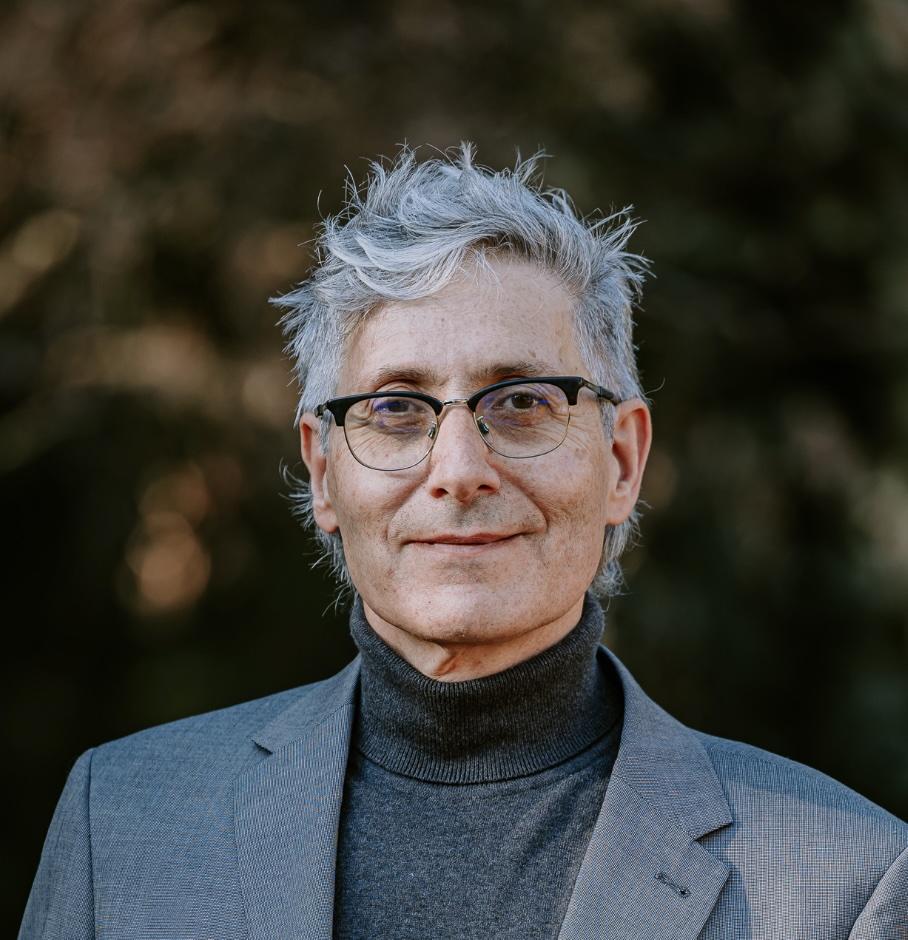 We are delighted to congratulate Professor Clive Gray on being awarded the 2026 Royal Society Africa Prize. The Prize recognises scientists based in Africa making innovative contributions to science and capacity building on the continent, and Clive receives it for his pioneering research into how HIV affects maternal and child health, particularly the mechanisms behind poorer outcomes in infants who are HIV-exposed but never infected themselves.
Prof Gray is the Founder and Director of the Immunopaedia Foundation and head of the Reproductive Immunology Research Consortium in Africa (RIRCA) at Stellenbosch University, South Africa.
Clive’s work has spanned three decades, from his early research on immune restoration under antiretroviral therapy at Stanford University, to his current work at RIRCA on how HIV and its treatment shape the placenta, and in turn, birth outcomes.
Read more – Clive Gray
August 2026
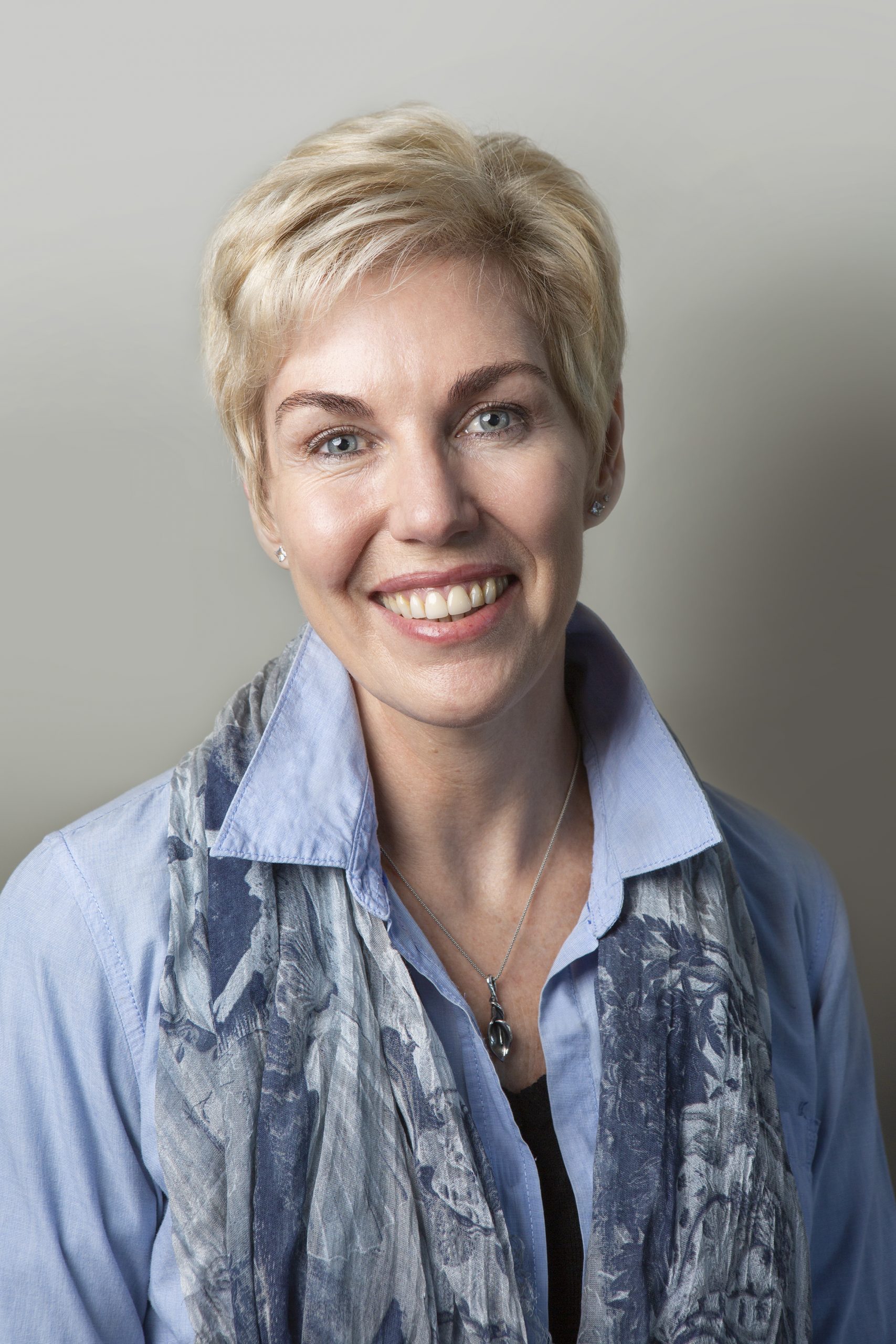 Professor Theresa Rossouw is a clinician-scientist in the Department of Immunology at the University of Pretoria (UP), South Africa and Director of the Institute for Innovative Immunology Research and Education (IINSPIRE), home to one of only three FOCIS (Federation of Clinical Immunology Societies) Centres of Excellence in Africa.
Professor Rossouw holds a rare combination of qualifications: an MBChB, master’s degrees in Biomedical Ethics and in Epidemiology and Biostatistics, and two PhDs – one in Philosophy and one in Medical Immunology. After heading the HIV clinic at Pretoria Academic Hospital and serving as Tshwane district’s HIV consultant, she moved into research in 2016 to lead UP’s Immunopathology Laboratory. Her work centres on HIV-associated drug resistance, systemic immune activation, and immune recovery, with growing interests in AI applications in HIV care and cancer immunology.
Theresa is an NRF-rated scientist and SAMRC Silver Medallist (2023). She is the immediate past President of the South African Immunology Society (SAIS), Treasurer of the Federation of African Immunology Societies (FAIS), and a member of the WHO’s HIVResNet working group.
Prof Rossouw is a researcher who bridges clinical medicine, immunology, public health and philosophy, making her a compelling voice in science and leadership in Africa.
Read more – Theresa Rossouw
July 2026
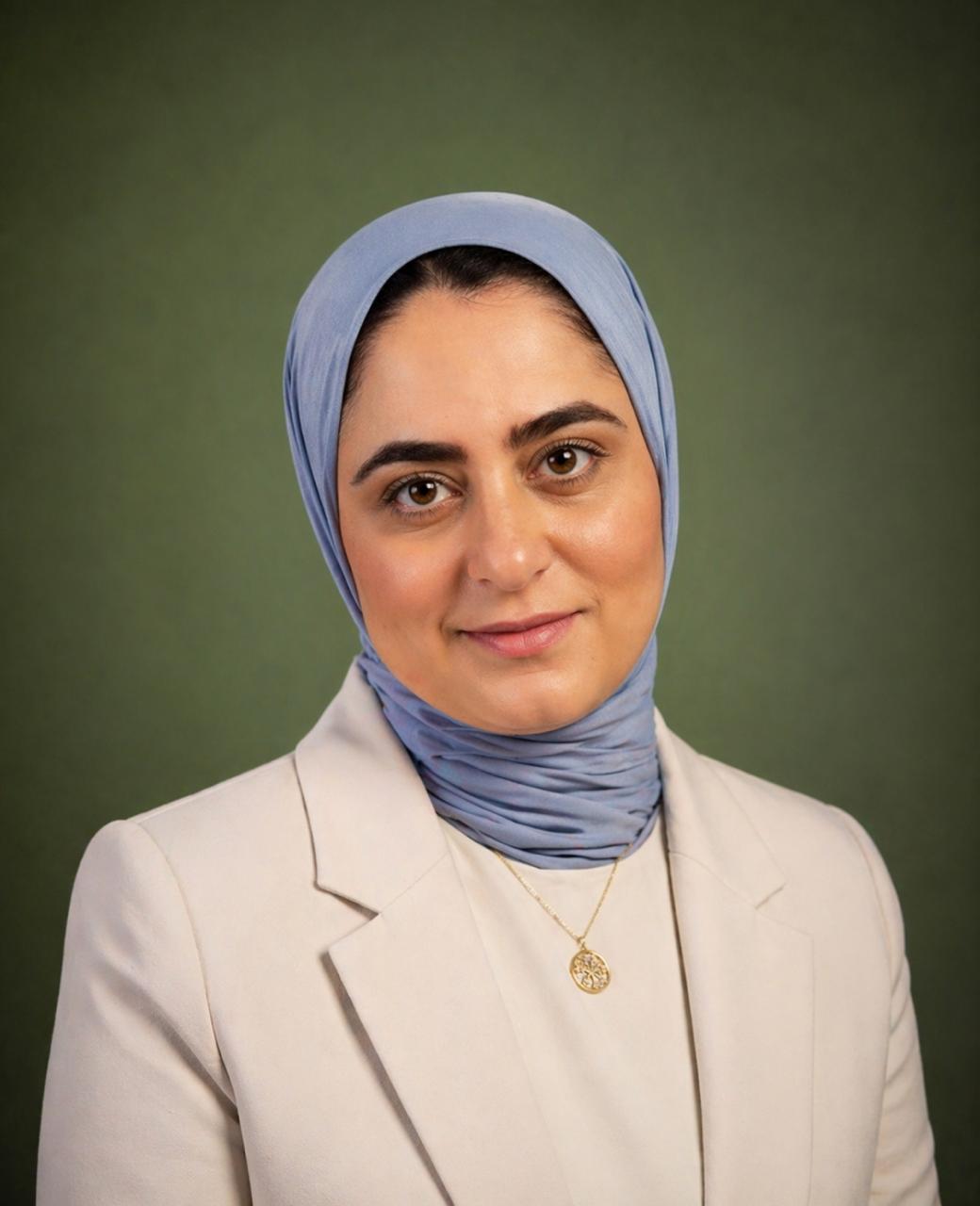 Prof Ghita Zaz is a Professor of Electrical Engineering at the National School of Arts and Crafts (ENSAM), Hassan II University of Casablanca, where she leads work within the DELTA Laboratory (Digital Engineering for Leading Technologies and Automation) and coordinates the programme ‘Digital Engineering for the Health Sectors’. She holds a doctorate in Electronics from the Institut d’Électronique et des Systèmes, Université de Montpellier, France, and an engineering degree in networks and telecommunications from the École Nationale des Sciences Appliquées de Fès, Morocco.
Prof Zaz’s research applies sensor design, machine learning and explainable AI to real-world problems spanning industrial systems and health diagnostics, from anomaly detection in critical infrastructure to acoustic classification of respiratory disease.
Ghita has been involved in the BRAINS project (MoBility for Research and African Integration through Health Sciences), co-supervising Salma Sobhi, a master’s student developing an AI chatbot for Immunopaedia. As well as supervising a new cancer initiative website with Immunopaedia Senior Communications Officer Bonamy (Bon) Holtak and a master’s student at the University of Hassan II of Casablanca, Hamza Kharmouch.
Read more – Ghita Zaz
June 2026
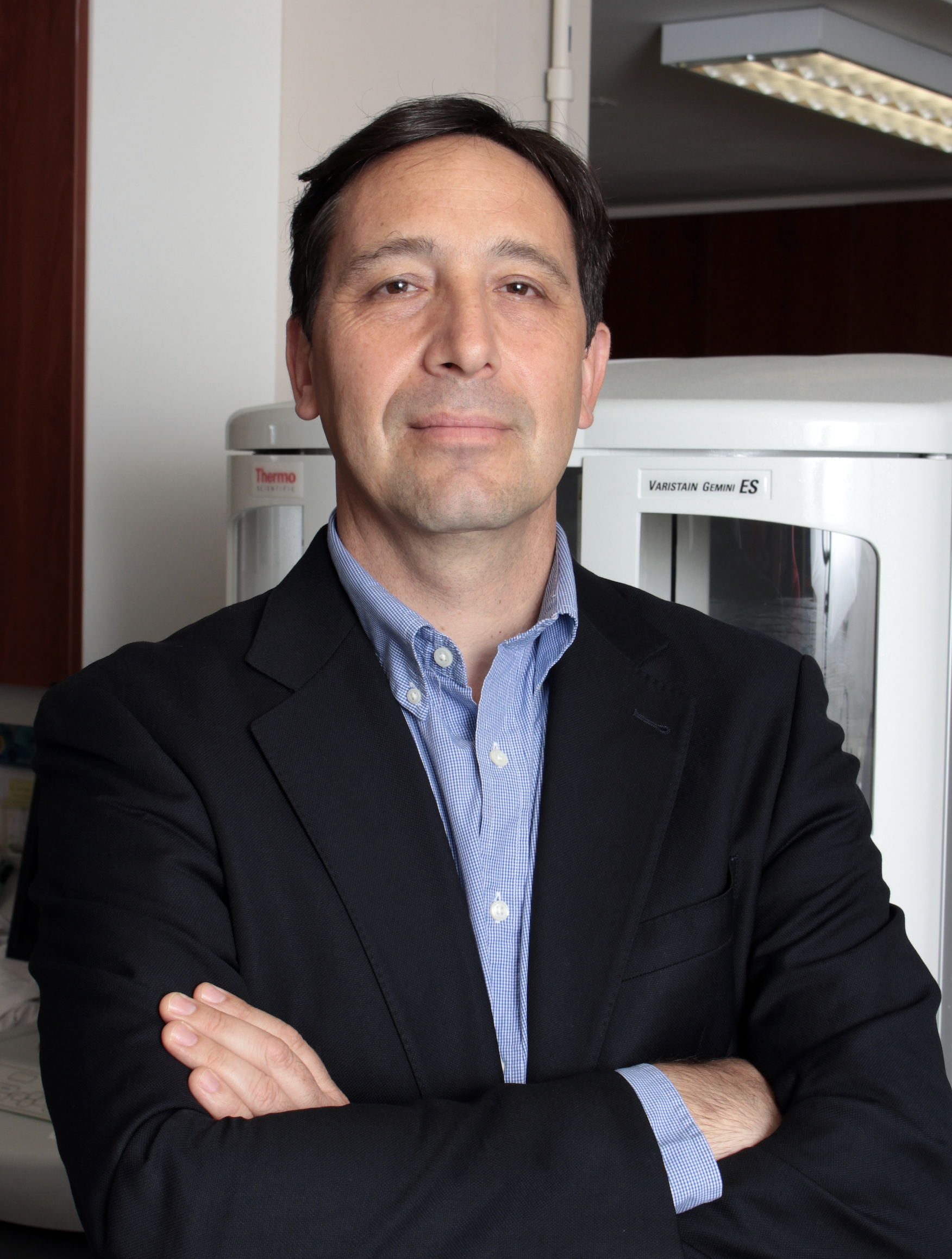 Professor Alexis M. Kalergis is an internationally recognised immunologist, microbiologist, and biochemist whose work has significantly advanced our understanding of antiviral immunity, respiratory viral pathogenesis, and vaccine development. He is a Full Professor at the Pontificia Universidad Católica de Chile and Director of the Millennium Institute on Immunology and Immunotherapy (IMII), a Scientific Center of Excellence in Chile recognised by the Federation of Clinical Immunology Societies (FOCIS). At the IMII, he leads research on infectious diseases, host–pathogen interactions, and immune regulation.
His laboratory’s pioneering work, first described in RSV infection more than a decade ago, revealed that respiratory viral infections can extend beyond the lungs to affect the central nervous system; a discovery that gained global relevance during the SARS-CoV-2 pandemic and the emergence of long COVID.
Prof. Kalergis is widely recognised for his leadership in science policy, mentorship, and public engagement. In recognition of his impact on immunology, innovation, and scientific leadership, he was named among Cell Press’ “50 Scientists that Inspire.” Prof. Alexis Kalergis has also recently received the prestigious “2026 Distinguished Alum Award” from the Albert Einstein College of Medicine Alumni Association.
Read more – Alexis M. Kalergis
May 2026
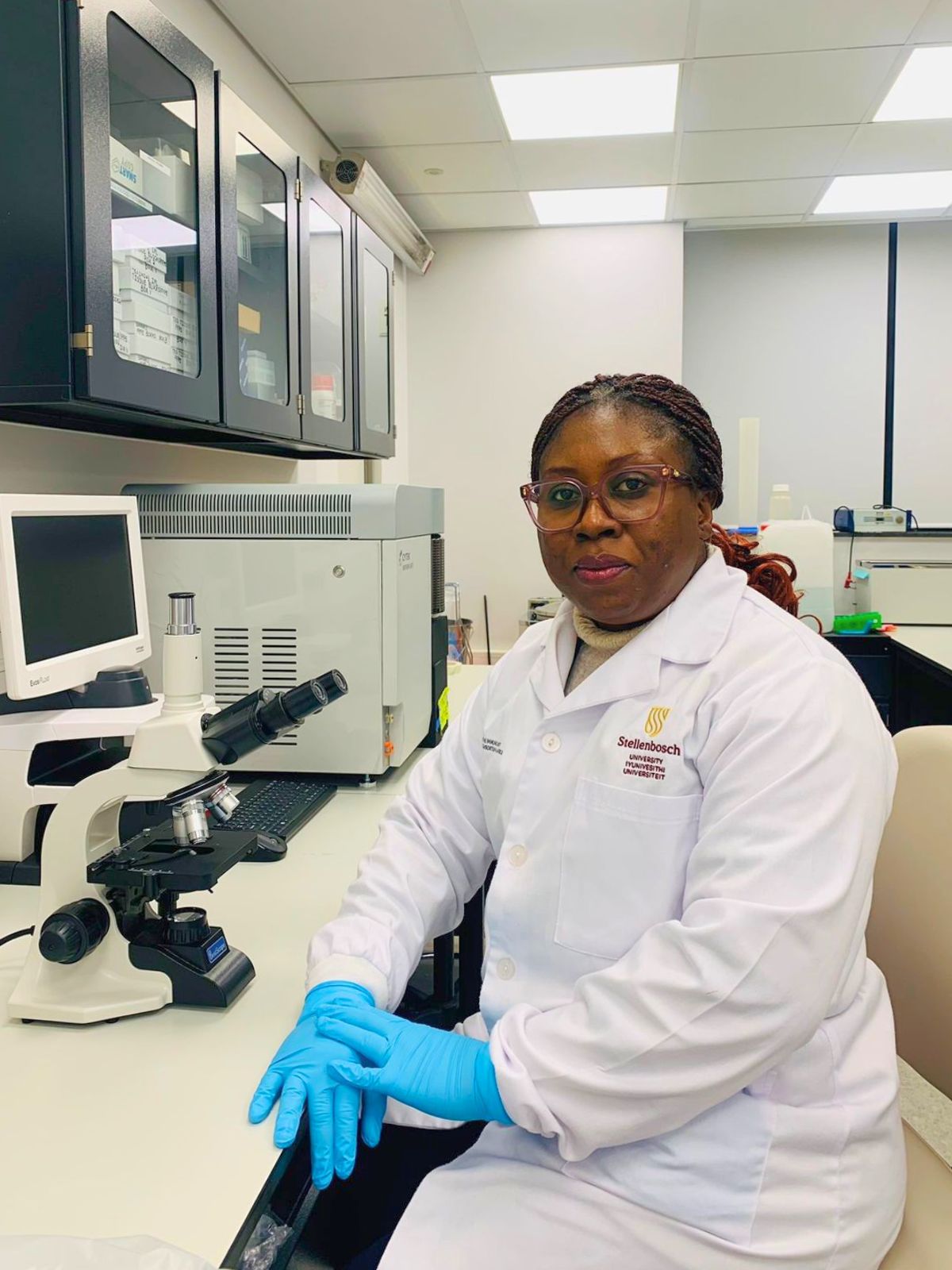 Dr Carine Kunsevi-Kilola is a Post-Doctoral Fellow at the Reproductive Immunology Research Consortium in Africa (RIRCA) at Stellenbosch University, where her research focuses on improving pregnancy outcomes for women living with HIV.
Born and raised in the Democratic Republic of Congo, Carine completed a diploma in science before moving to South Africa, earning a BTech and Honours from the Cape Peninsula University of Technology and a PhD in Molecular Biology from Stellenbosch University, which she finished while having being pregnant twice.
She is an African Postdoctoral Training Initiative (APTI) fellow, a 2025 NIH Intramural AIDS Research Fellow, and a recipient of the prestigious L’Oréal-UNESCO for Women in Science Young Talents Sub-Saharan Africa Award.
Her current project investigates how the timing of antiretroviral therapy affects placental vascular development, with the goal of identifying biomarkers that can prevent devastating outcomes such as preterm birth and low birthweight.
We spoke with Dr Kunsevi-Kilola about the immunology of pregnancy, why African-led research on women’s health matters.
Read more – Carine Kunsevi-Kilola
April 2026
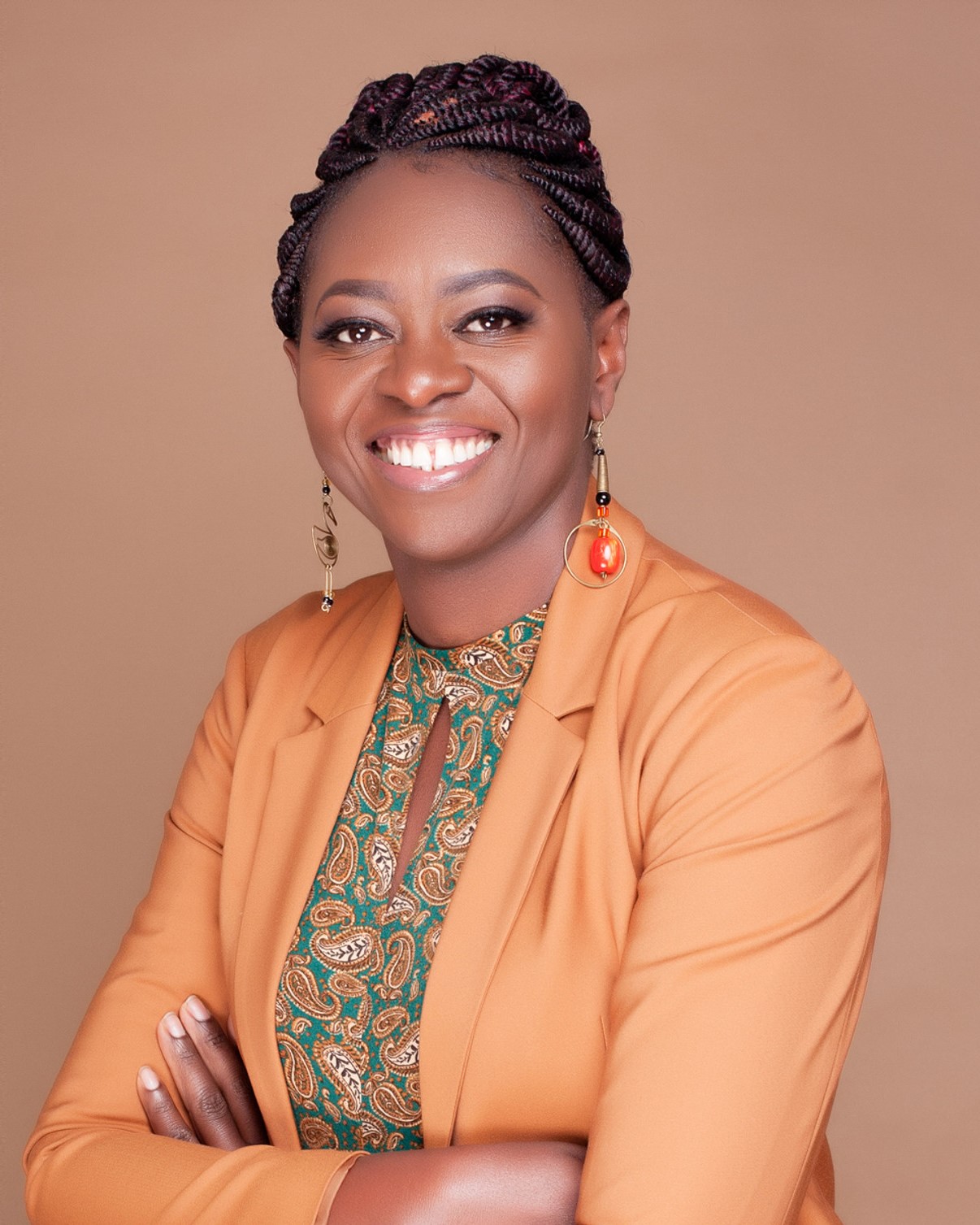 Professor Faith Osier is a world-renowned immunologist. Her groundbreaking work on malaria immunity and vaccine development has changed how we fight one of the world’s deadliest diseases.
Immunopaedia interviewed her in 2017 as our January Immunologist of the Month, during which we spoke about immunity, malaria, and potential vaccines.
Prof Osier earned her MBChB degree from the University of Nairobi and then joined KEMRI-Kilifi as a Medical and Research Officer. She graduated with distinction in Human Immunity from the University of Liverpool and received her PhD from the Open University in the UK. Faith is also a TED Fellow and a past-President of the International Union of Immunological Societies (IUIS). She has been awarded several prestigious honours such as the Royal Society Pfizer and Sofja Kovalevskaja awards and is also a fellow of the African Academy of Sciences.
Prof Osier is now based at Imperial College London, where she is Co-Director of the School of Convergence Science for Health & Technology and Chair of the Malaria Immunology & Vaccinology. Faith leads research to understand how the human immune system responds to malaria, which advances new strategies for effective vaccines.
Read more – Faith Osier