

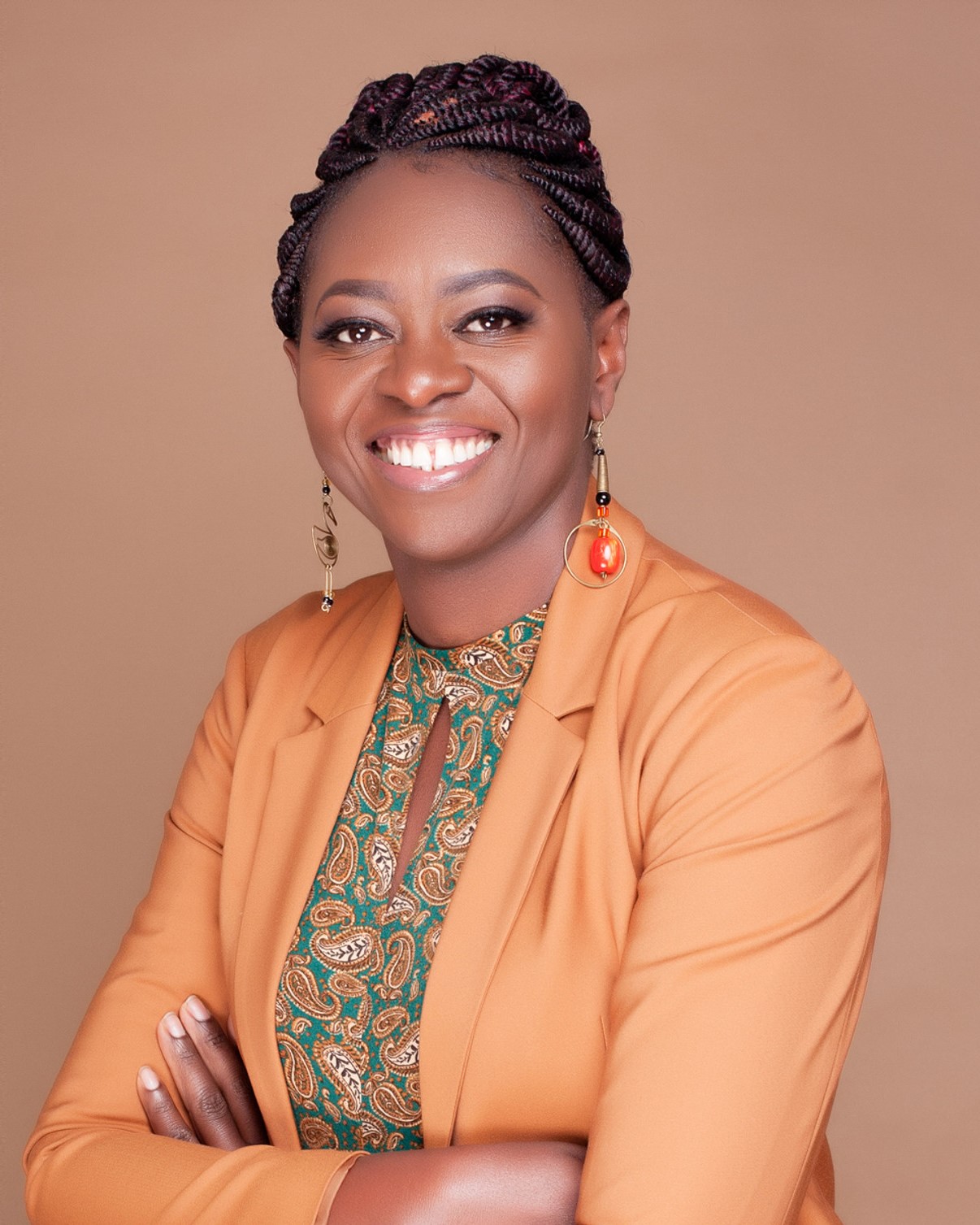
 Professor Faith Osier is a world-renowned immunologist. Her groundbreaking work on malaria immunity and vaccine development has changed how we fight one of the world’s deadliest diseases.
Immunopaedia interviewed her in 2017 as our January Immunologist of the Month, during which we spoke about immunity, malaria, and potential vaccines.
Prof Osier earned her MBChB degree from the University of Nairobi and then joined KEMRI-Kilifi as a Medical and Research Officer. She graduated with distinction in Human Immunity from the University of Liverpool and received her PhD from the Open University in the UK. Faith is also a TED Fellow and a past-President of the International Union of Immunological Societies (IUIS). She has been awarded several prestigious honours such as the Royal Society Pfizer and Sofja Kovalevskaja awards and is also a fellow of the African Academy of Sciences.
Prof Osier is now based at Imperial College London, where she is Co-Director of the School of Convergence Science for Health & Technology and Chair of the Malaria Immunology & Vaccinology. Faith leads research to understand how the human immune system responds to malaria, which advances new strategies for effective vaccines.
Outside the lab, Prof Osier is dedicated to building scientific capacity in Africa. She mentors young scientists and helps strengthen research networks. As we celebrate World Malaria Day and World Immunisation Week, her leadership shows how science and outreach can drive global health equity.
As we mark World Malaria Day, what progress gives you hope in the global fight against malaria?
Vaccines are the most effective and cost-effective tools against infectious diseases. We now have two vaccines that are licensed against malaria. This is immense progress that gives me confidence that as these vaccines get rolled out, we will see a decline in the burden of malaria. It also gives us hope that we can design additional vaccines that get us to malaria elimination.
“Malaria gives hope that if vaccines can be developed for such a devastating and long-standing disease, it can be done for other endemic diseases of importance to Africa and other low- and middle-income countries”
It’s also World Immunisation Week. How do you see malaria vaccines fitting into broader immunisation strategies?
Vaccines have had a great impact on infectious diseases. Smallpox has been completely eradicated, and polio that previously had a devastating impact now remains only in a few countries.
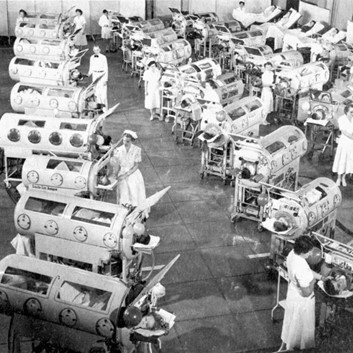
Given the impact of malaria on childhood survival, health, wellbeing, achievement and attainment of potential, it is wonderful to have vaccines that can reduce the burden of this disease.
How does your research on malaria immunity inform the design of next-generation vaccines?
My team focuses on naturally acquired immunity because we know it is potent and provides long-term protection, qualities that we strive to reproduce in malaria vaccines. By understanding the immune targets and mechanisms that account for naturally acquired immunity, we can design vaccines with the same properties.
What are the biggest scientific challenges still facing malaria vaccine development?
The biggest challenges are the improvement of efficacy and the durability of protection. If you could get one vaccine dose that provided life-long protection rather than four, five or more vaccine doses with short term protection, this would massively increase access and compliance. We also need to develop vaccines for the whole population and not just children. This will reduce transmission to children who suffer the greatest impacts of the disease. Lastly, we must develop vaccines against other species of malaria such as Plasmodium vivax.
What lessons from malaria vaccine development might apply to other infectious diseases?
Malaria gives hope that if vaccines can be developed for such a devastating and long-standing disease, it can be done for other endemic diseases of importance to Africa and other low- and middle-income countries
How can African-led research shape the future of global vaccine innovation?
I believe that our challenges in Africa are also our opportunities for innovation. Whether it be the management of cold-chains for vaccine supplies, or the design of vaccines that do not require cold-chains, to local manufacturing and the diversification of vaccine supply chains – the challenges we face are already driving the innovation that the continent needs.
What role does African-led vaccine manufacturing play in achieving health equity?
The COVID-19 pandemic was a wake-up call for health equity. Africans were last in the queue to receive a life-saving health intervention. African-led vaccine manufacturing is an opportunity to address this huge gap. We would not only be able to respond better to pandemics, but also to address local endemic and epidemic diseases of importance to the continent.
“The models for mentorship have changed over time and vary depending on the trainee, their background and career ambitions. One shoe size does not fit all.”
You’ve championed capacity building across Africa. What models of mentorship and training have proven most impactful?
The models for mentorship have changed over time and vary depending on the trainee, their background and career ambitions. One shoe size does not fit all. I benefited from a strong institutional environment that exposed me to a strong work ethic and an international level of scientific enquiry. I provide opportunities for trainees working with me to get exposure to the same, focusing on scientific rigour and enhancing communication skills.
How do you balance cutting-edge research with the need for community outreach and public engagement?
Over time my role has transitioned from conducting the cutting-edge research on the bench to spending more time networking, engaging and fund-raising. I stay in touch with the science through my team members who remain active on the bench, while I engage broadly to communicate our work and to raise resources that enable us to continue the work and provide opportunities for the younger generation to engage in science.
How do you envision the next decade of malaria research and immunisation efforts?
I’d love to see a one-dose vaccine for malaria that provides a high level of protection that lasts for life. I’d love to see us move away from needles to vaccines that can be given more easily, for example, through the oral route. We would also have vaccines that work for all species of malaria that infect humans.
What message would you like to share with young scientists during World Malaria Day and World Immunisation Week?
There are still numerous opportunities for research in malaria and for malaria vaccines as we aim to eradicate malaria. Find an opportunity and get involved.
Interview by Bonamy (Bon) Holtak