

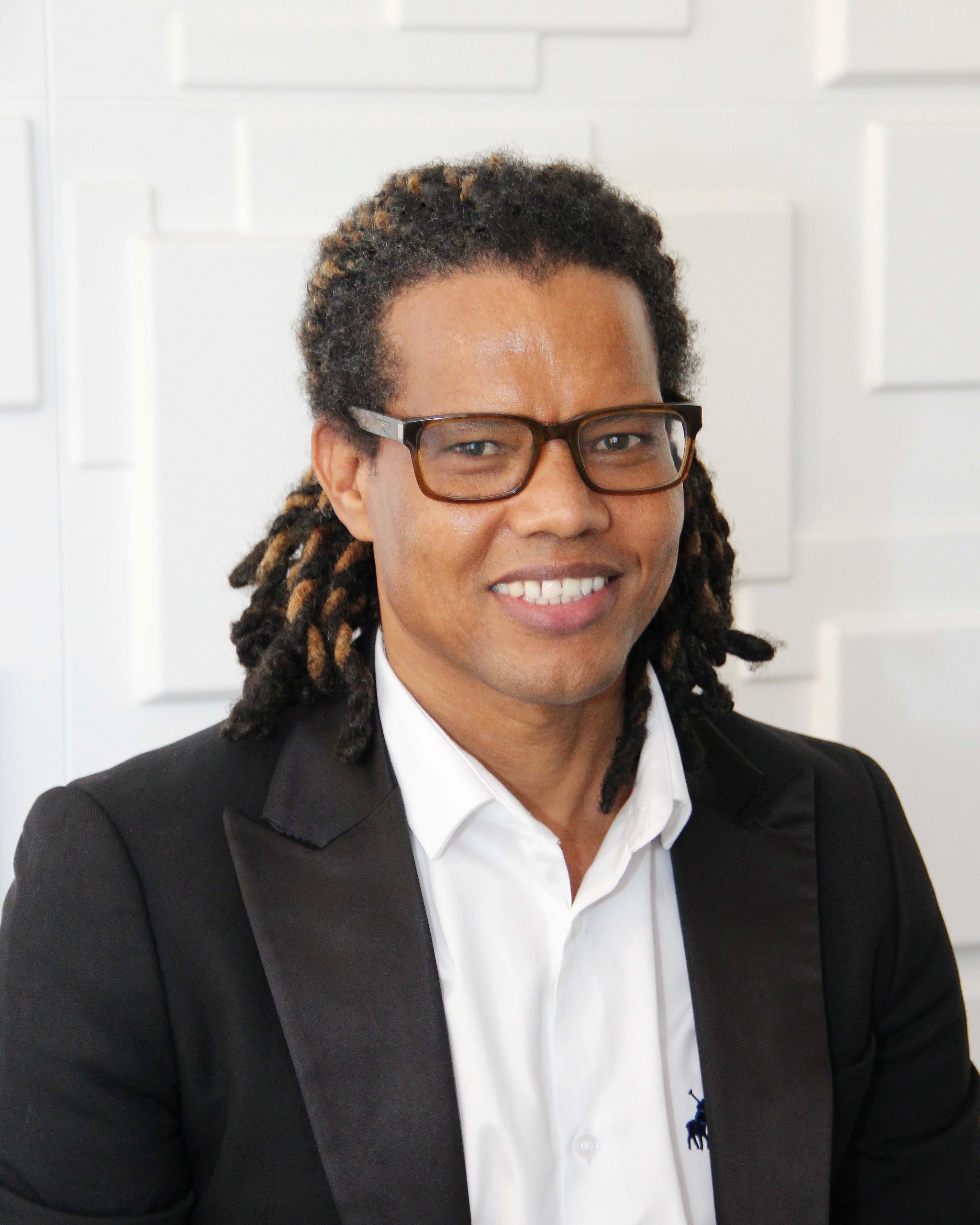
 Nearly a decade ago, Immunopaedia featured Professor Mohlopheni (Jackson) Marakalala as our Immunologist of the Month, highlighting his pioneering work on tuberculosis (TB) granulomas and host-directed therapies. Since then, his career has flourished across South Africa, the United States, and the UK. This has included postdoctoral training at Harvard, faculty roles at the University of Cape Town and the Associate Professorship at University College London, and Faculty position at the Africa Health Research Institute.
Today, Prof Marakalala is the Unit Director of the SAMRC Centre for TB Research at Stellenbosch University. Where he leads a lab focused on the immunopathogenesis of TB, aiming to develop host-directed therapies to limit lung damage. His work, having been supported by the Wellcome Trust, Gates Foundation, and SAMRC, reflects both scientific excellence and a commitment to solving South African health challenges.
In this follow-up interview, we explore how his research has advanced, what challenges remain, and how African scientists are shaping global strategies against one of the world’s most persistent infectious diseases.
Since your 2017 Immunopaedia interview, how has your research focus on TB evolved, and what milestones stand out in your career?
My focus has shifted more to precise mechanisms driving granuloma development. A major milestone has been identifying specific pathways responsible for lung tissue destruction, which we are now targeting to develop host-directed therapies. Beyond the bench, I am most proud of training the next generation of scientists; capacity development and knowledge transfer are some of the most exciting milestones in my career.
What drew you specifically to TB immunology, and how has your perspective on host–pathogen interactions changed over time?
I initially got into TB research because of the visible harsh effects the disease has in our country, particularly as it was highly impacted by HIV co-infection. I wanted to move beyond observation to intervention, specifically, understanding how inflammation drives pathogenesis. My fascination with the cellular biology of macrophages and neutrophils fuels my goal of developing adjunctive drugs that can enhance current treatment protocols by modulating the host immune response and reducing tissue destruction.
Can you share how your role at the SAMRC Centre for TB Research has shaped your current projects and collaborations?
As Director, my perspective has expanded from individual research to strategic leadership. I now focus on driving product development through global partnerships. I believe my primary role is to act as an enabler of excellence, fostering a collaborative ecosystem in which my team’s collective research can thrive and achieve international impact.
What recent breakthroughs in TB immunology excite you most, and how do they influence your own research direction?
Notable recent breakthroughs include understanding that TB disease is a spectrum rather than just a dichotomy between latent TB and active TB. There are other stages/features characterising TB infection, including incipient and subclinical TB. These discoveries challenge me to probe lung granuloma/pathological status across the disease spectrum.
How is your team approaching the challenge of drug-resistant TB, and what immunological insights are proving most promising?
Some research groups in the Centre for TB Research have collected over 60 000 clinical isolates of Mycobacterium tuberculosis. The isolates help them understand the mechanisms of drug resistance, which contribute to the World Health Organisation’s (WHO) decisions on recommended drug resistance testing programs. Understanding how the immune system responds to drug-resistant Mtb is also an attractive question in our research setting.
From your perspective, what are the biggest obstacles Africa faces in reducing TB incidence and mortality?
Emergence of drug-resistant strains and co-infection with HIV aggravate TB severity. Lack of investment in resources to screen TB in high-burden rural settings. With global funding cuts, Africa may be facing a challenge to fund its own prevention, diagnosis and treatment programs to control TB. This, however, is an opportunity for the continent to develop home solutions for locally relevant health problems.
How do socioeconomic factors and health system challenges intersect with the biological complexity of TB in African settings?
TB is as much a social disease as a biological one. Overcrowded informal settlements and environments like shared hostels create hotspots for transmission, particularly among men.
When you add malnutrition, stigma and the ‘migrant labour’ effect – where patients return to rural areas during holidays without a plan to continue accessing treatment, you create the ideal conditions for drug resistance to emerge.
Fighting TB requires commitment towards improved socioeconomic conditions and health systems, including in remote rural settings.
What role do African research institutions and collaborations play in shaping global TB strategies, and how can this be strengthened?
African research institutions are the leaders in TB research. Some of the most advanced clinical trials are conducted in South African institutions; for example, the most promising new TB vaccine has multiple clinical trial sites in the country.
We also have very strong TB Research Centres, including the SAMRC Centre for TB Research and the Desmond Tutu TB Centre at Stellenbosch University, the Africa Health Research Institute and multiple groups at WITS (The University of the Witwatersrand) and UCT (The University of Cape Town), including SATVI (South African Tuberculosis Vaccine Initiative). Work from these institutions has influenced policies on diagnostic and treatment decisions at global levels.
If you could set the agenda for TB research in Africa over the next decade, what priorities would you emphasise to accelerate progress toward elimination?
My priority would be inclusivity in the fight against TB; no one should be left behind. I would diversify funding sources to reduce reliance on foreign aid and bring government, scientists, the private sector, and civil society to the same table. I would champion research that is grounded within local policy frameworks, but also globally competitive. I would also emphasise product development and ensuring that our research contributes to developing better strategies to prevent, diagnose and treat the disease. Finally, I would ensure that our TB research is deeply embedded in the communities we serve. TB elimination is only possible if our society is a primary stakeholder in the solution.
Interview by Bonamy (Bon) Holtak