


08 April 2026
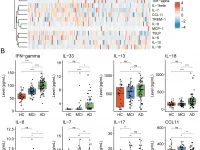
A recent study suggests that a blood-based inflammatory marker could play an important role in identifying people at risk of the Alzheimer’s disease…
23 February 2026
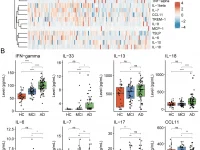
A new study suggests that specific inflammatory proteins in the blood could enhance the diagnosis of Alzheimer’s disease…
8 July 2025
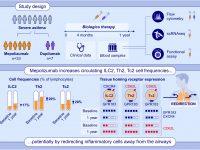
In a new study, researchers analysed blood samples from patients undergoing biologic treatment and discovered a surprising pattern: rather than being reduced, some inflammatory immune cells increased during therapy…
16 September 2024
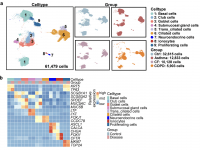
Recent research has highlighted the role of distinct, disease-specific transcriptional programs in governing goblet cell hyperplasia in asthma and cystic fibrosis…
27 May 2024
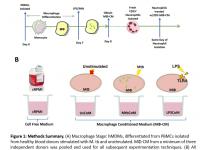
In a recent study, researchers examined and described the macrophage–neutrophil axis in Mtb infection, assessing neutrophil function…
Genetics and Mechanisms of Inflammatory Bowel Disease (IBD) Inflammatory Bowel Disease (IBD) encompasses chronic inflammatory conditions of the gastrointestinal tract, primarily including Crohn’s disease and ulcerative colitis. Genetic factors are key contributors to IBD susceptibility, and understanding candidate genes is crucial to comprehend the disease’s complex pathogenesis. Murine models serve as valuable tools to study Read More
Innate Epithelial Barrier Defense In the gastrointestinal tract it is of paramount importance to host health that the intestinal microbiota is kept at a distance from intestinal epithelial cells (IECs), minimizing the likelihood of tissue damage and invasion. Innate immune strategies include the use of a mucus layer, antimicrobial peptides (AMPs) and innate lymphoid cells Read More
24 July 2023
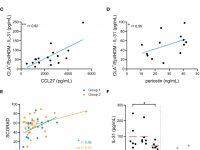
In a recent study, researchers investigated interleukin (IL)-31 and its role in the pathophysiology of atopic dermatitis through the maintainnance of an inflammatory state and pruritus…
Activation of B cells There are two main immune responses that can drive the activation of resting B-cells, and these are termed as T-cell dependent and independent immune responses. Resting B cells become activated by antigen via the BCR and/or by microbiological side products (pathogen associated molecular patterns; PAMPs) via their toll like receptors (TLR4, Read More





© 2004 - 2026 Immunopaedia.org.za
Sitemap - Privacy Policy - Cookie Policy - PAIA - Terms & Conditions
This work is licensed under a Creative Commons Attribution-NonCommercial-ShareAlike 4.0 International License.
