


A new neuroimaging study challenges one of the leading hypotheses surrounding long COVID, finding no evidence of widespread persistent brain inflammation in patients experiencing prolonged post-COVID symptoms (Figure 1). The study suggests that long COVID may be driven by more complex neurological mechanisms than chronic neuroinflammation alone.
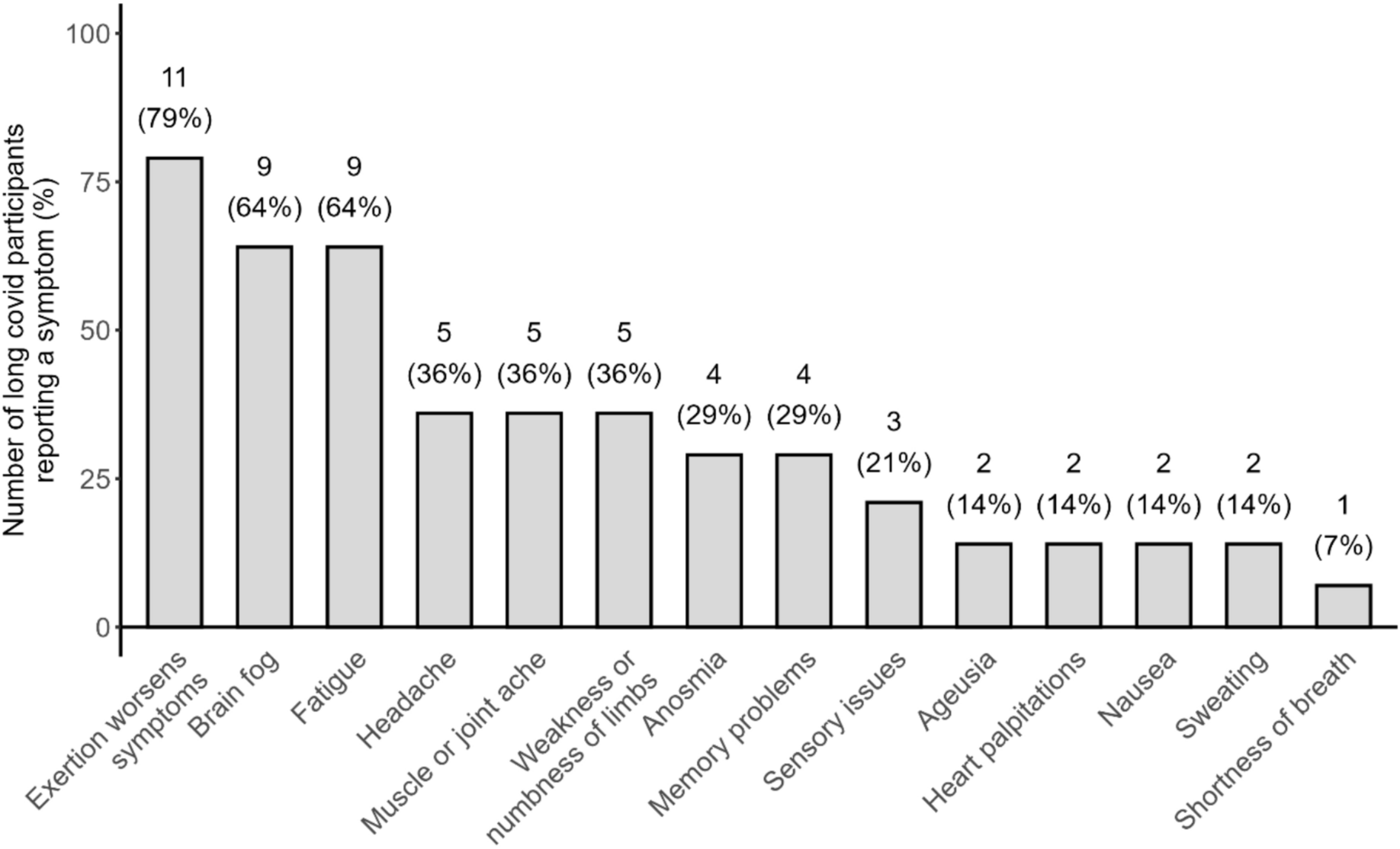
Figure 1: Association between post-COVID-19 neuropsychiatric symptoms and persistent glial activation in the limbic system: a TSPO PET study
Long COVID affects millions of people worldwide and can cause persistent symptoms including fatigue, cognitive impairment, anxiety, depression, and reduced quality of life months or even years after the initial infection. Because severe acute COVID-19 has been associated with neuroinflammatory changes, many researchers have proposed that lingering brain inflammation could underlie these chronic symptoms. However, direct evidence in living patients has remained limited.
To investigate this possibility, researchers used advanced positron emission tomography (PET) imaging sensitive to glial activation, a key marker of neuroinflammation, alongside magnetic resonance imaging (MRI) and blood-based biomarkers of neuronal injury. The study compared 14 individuals with long COVID to healthy controls and patients with Multiple Sclerosis, a condition known to involve substantial brain inflammation.
Contrary to expectations, the researchers found no significant differences in markers of neuroinflammation or neurodegeneration between long COVID patients and healthy individuals. In fact, inflammatory activity within white matter regions was markedly lower than that observed in patients with multiple sclerosis. These findings suggest that persistent, widespread neuroinflammation is unlikely to be the primary driver of long COVID symptoms in many patients.
Interestingly, the study did uncover evidence that inflammation may play a role earlier in the disease course. Participants who underwent imaging within approximately 16 months of their initial infection exhibited higher levels of white matter inflammatory activity than those with longer disease duration. This observation supports a model in which neuroinflammation may be present during the early stages of long COVID but gradually resolves over time.
Perhaps the most notable finding was the association between symptom severity and activity within the limbic system. Patients reporting higher levels of depression, anxiety, and reduced quality of life demonstrated increased glial activation in the hippocampus and amygdala, brain regions that play central roles in memory, emotional processing, and stress regulation. Rather than reflecting generalized inflammation throughout the brain, these localized changes point toward altered activity in neural circuits involved in mood and emotional regulation.
These findings add to a growing body of evidence suggesting that long COVID is biologically heterogeneous. While inflammation may contribute to symptoms in some individuals, particularly soon after infection, persistent symptoms may increasingly reflect disruptions in neuroimmune communication, stress-response pathways, autonomic regulation, or other mechanisms that remain incompletely understood.
The study also carries potential clinical implications. If persistent symptoms are linked more closely to dysfunction within emotional and stress-regulation networks than to ongoing widespread inflammation, therapies targeting psychological resilience, stress pathways, autonomic function, and neuropsychiatric symptoms may prove beneficial alongside traditional medical approaches. Importantly, the findings do not diminish the biological reality of long COVID but rather refine our understanding of the mechanisms that may sustain symptoms over time.
Journal article: Tuomaala, J., et al. 2026. Association between post-COVID-19 neuropsychiatric symptoms and persistent glial activation in the limbic system: a TSPO PET study. Journal of Neurology.
Summary by Stefan Botha