


17th November, 2017
Boyle et al. showed that CD4+ IL-10 producing Pf-specific T cells are of Th1 origin and are associated with reduced parasitemia in children from a high malaria endemic country.This suggests a role of IL-10+ …

27 June, 2025
Researchers have identified a key driver of persistent gut inflammation, uncovering a promising new target for therapy…
29 October 2024
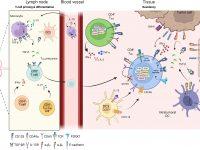
An interesting study thoroughly examines the role of Resident memory T cells in cancer immunology, focusing on their unique functions, mechanisms of action, and potential as therapeutic targets…
Malaria is a vector borne disease, caused by an intracellular parasite, the protozoan Plasmodium spp. It affects most tropical areas of the world (Figure 1), where mosquitos of the Anopheles genus are present. Young children and pregnant women are especially vulnerable to malaria infection, and most of the mortality occurs among children under 5 years Read More
Malaria Malaria is a vector borne disease, caused by an intracellular parasite, the protozoan Plasmodium spp. It affects most tropical areas of the world (Figure 1), where mosquitos of the Anopheles genus are present. Young children and pregnant women are especially vulnerable to malaria infection, and most of the mortality occurs among children under Read More
Cell-based Cancer Therapies Cytotoxicity is a property of some immune cells to induce lysis of other cells that can be detected as non-functional or transformed. In the recent years, redirecting cytotoxicity in cancer has been the base of cell-based cancer therapies that involve the use of living cells to treat cancer. There are several types Read More
Immunological systems function as soldiers to resist illness, but under some circumstances, the soldiers are reprogrammed to limit immunological response. These specific circumstances appear in cancer and illness. These reprogrammed immune cells are one of the most exciting areas of study and targeting them can be extremely useful to patients. These immunosuppressive cells are broadly Read More
Introduction Immunological tolerance describes a diverse range of host processes that prevent potentially harmful immune responses within that host (1). A fundamental property of the immune system is its ability to mediate self-defense with minimal collateral damage to the host. The system uses several different mechanisms to achieve this goal, which is collectively referred to Read More
15 January 2024
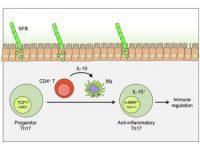
In a recent study, researchers uncovered a significant role played by beneficial commensal microbes in the gut: they stimulate the host to produce T cells that contribute to gut health by mitigating inflammation…





© 2004 - 2025 Immunopaedia.org.za
Sitemap - Privacy Policy - Cookie Policy - PAIA - Terms & Conditions
This work is licensed under a Creative Commons Attribution-NonCommercial-ShareAlike 4.0 International License.
