

Exercise is increasingly recognized not simply as a lifestyle intervention, but as a powerful and highly context-dependent regulator of the immune system. A recent review highlights how physical activity reshapes immune-cell function, trafficking, metabolism, and differentiation across multiple tissues and disease states, with growing implications for cancer therapy, chronic inflammatory disease, and overall immune health (Figure 1).
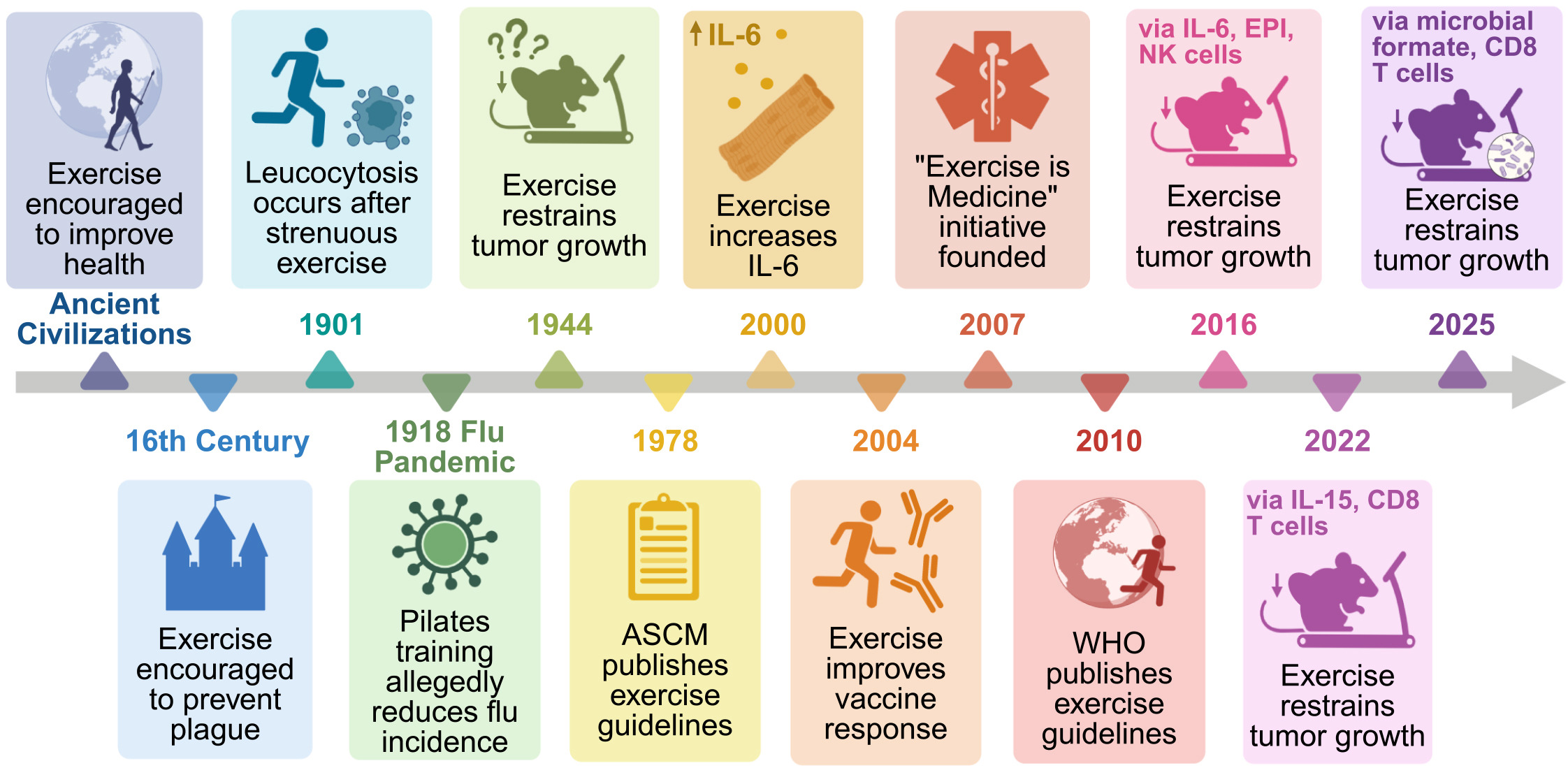
Figure 1: Milestones in exercise as medicine.
Rather than acting through a single pathway, exercise triggers coordinated adaptations across the entire body. Skeletal muscle, adipose tissue, the vasculature, and even the gut microbiota all contribute to exercise-induced immune remodelling through the release of systemic signalling molecules known as exerkines. These signals influence immune-cell behaviour in complex and highly dynamic ways that vary depending on exercise modality, intensity, duration, training status, and disease context. As a result, the immune effects of exercise cannot be generalized across all settings, with distinct exercise regimens producing different outcomes in different tissues and patient populations.
The review emphasizes that while large-scale multi-omics studies have successfully mapped many of the transcriptional, metabolic, and cellular programs induced by exercise, the next major challenge is mechanistic dissection. Researchers are now moving beyond descriptive profiling toward identifying which pathways are truly necessary and sufficient for specific immune benefits. This will require carefully designed in vivo studies alongside reductionist experimental systems capable of isolating individual exercise-associated signals.
Importantly, emerging evidence suggests that many of the pathways involved in exercise immunology are interconnected rather than independent. Exercise imposes simultaneous mechanical, metabolic, and hormonal stressors that activate overlapping signalling networks. For example, lactate generated during exercise can stimulate skeletal muscle production of IL-6, which may subsequently promote GLP-1 secretion, illustrating how multiple physiological systems converge into broader immunometabolic signalling hierarchies. These interconnected cascades likely underlie many of the systemic immune adaptations associated with physical activity.
The authors also argue that future exercise prescriptions must become far more precise. Variables such as modality, intensity, duration, recovery time, frequency, and even the timing of immune sampling relative to exercise bouts can dramatically influence immune outcomes. This precision framework will be essential if exercise is to be integrated as a targeted therapeutic intervention for specific diseases, including cancer and autoimmune disorders.
A major translational goal is the development of exercise mimetics, therapeutic strategies that reproduce the beneficial immune effects of exercise in individuals unable to engage in physical activity due to illness or disability. Identifying the exerkines and signalling pathways responsible for protective immune remodelling may provide the molecular blueprint for such therapies. At the same time, the review highlights that prophylactic exercise-induced immune remodelling remains underexplored, despite its potential role in disease prevention and long-term immune resilience.
Finally, the field is increasingly moving toward large-scale interdisciplinary collaboration. Initiatives such as the Molecular Transducers of Physical Activity Consortium, the International Society of Exercise Oncology, and the Exercise and Nutrition Interventions to Improve Cancer Treatment-Related Outcomes Consortium are helping standardize protocols, harmonize datasets, and integrate mechanistic studies with clinical trials. Together, these efforts aim to transform exercise from a broadly recommended health behaviour into a precision immunomodulatory intervention capable of improving treatment responses, reducing therapy-associated toxicity, and enhancing quality of life across a wide range of diseases.
Journal article: Phelps, C.M. et al 2026. The immunology of exercise: Mechanisms, mediators, and therapeutic opportunities. Cell Immunity.
Summary by Stefan Botha