

Researchers from Griffith University and collaborators have reported promising results from a Phase II clinical trial of a novel drug designed to treat sepsis, a life-threatening condition with no approved targeted therapy (Figure 1). The trial, conducted in China, showed that the experimental drug STC3141 met key clinical endpoints, indicating a meaningful reduction in sepsis severity in patients.
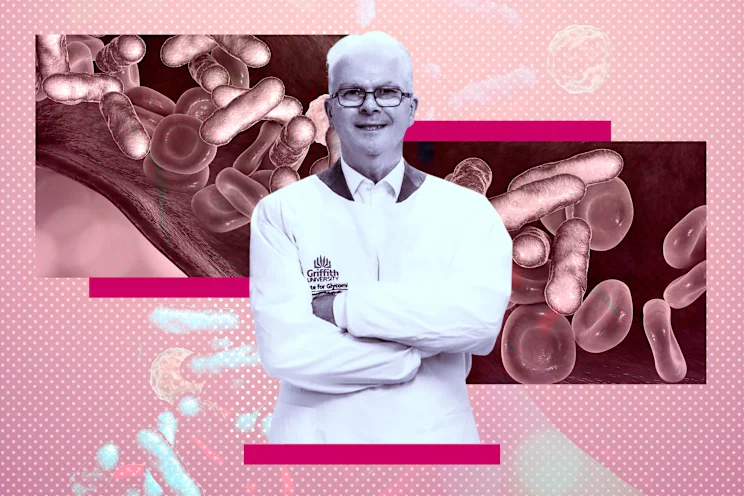
Figure 1: University professor Mark von Itzstein AO, key lead of the Griffith University and study teams (image source: Brisbane Times).
STC3141 is a small, carbohydrate-based molecule delivered by intravenous infusion. Rather than suppressing the immune system broadly, the drug works by counteracting a harmful surge of inflammatory molecules released during sepsis, a process that can rapidly lead to organ damage and failure. By interrupting this cascade, STC3141 appears to help reverse organ injury associated with severe infection.
The study involved 180 hospitalised patients and was led by Grand Pharmaceutical Group. Given the high global burden of sepsis and the absence of specific treatments, these findings address a major unmet medical need.
Following the successful Phase II trial, plans are now underway to advance STC3141 into Phase III testing. If future trials confirm its safety and effectiveness, the drug could become the first targeted therapy for sepsis and potentially save millions of lives worldwide.
Summary by Stefan Botha