

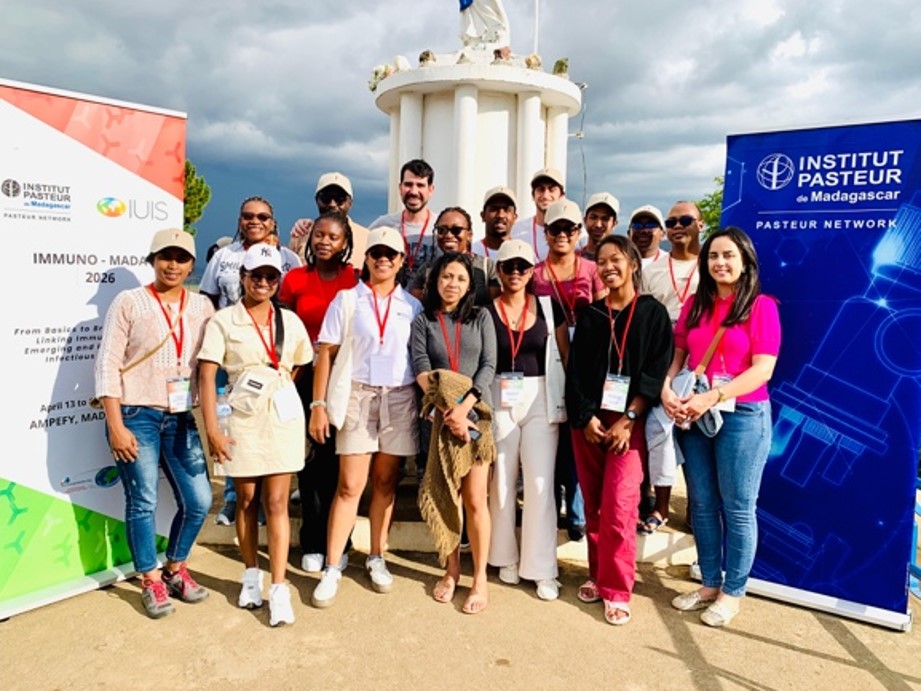
Figure 1 Immuno-Madagascar 2026 Participants
IUIS-IPM Immuno-Madagascar – Participant Report
13-18 April 2026
From Basics to Breakthroughs: Linking Immunology to Emerging
and Reemerging Infectious Diseases
Download the full report – Immuno-Madagascar-2026 Participant Report.pdf
Day 1 – Monday, 13 April 2026 – Cristian G. Beccaria & Antsaniaina RAVELOMANANTSOA
Prologue
For most of the participants, this was our first time in Madagascar. During the nearly four-hour journey from Antananarivo to Ampefy, we began to soak in this Malagasy land shaped by sun, rain, and deep, vivid greens. Along the way, locals sold avocados of colossal size, papayas, bananas, and koba. Caravans of zebu moved slowly along the road, and from the rice fields in the distance, workers waved with open smiles.
We arrived at sunset. A few hours later, with everyone finally gathered, we shared a welcome banquet, abundant and full of colour. We came from Zambia, Uganda, Nigeria, Tunisia, Spain, Argentina, Kenya, South Africa, and Germany. Over the coming days, we would work intensively, discussing immunity in the context of TB, malaria, HIV, vaccine development, and One Health.
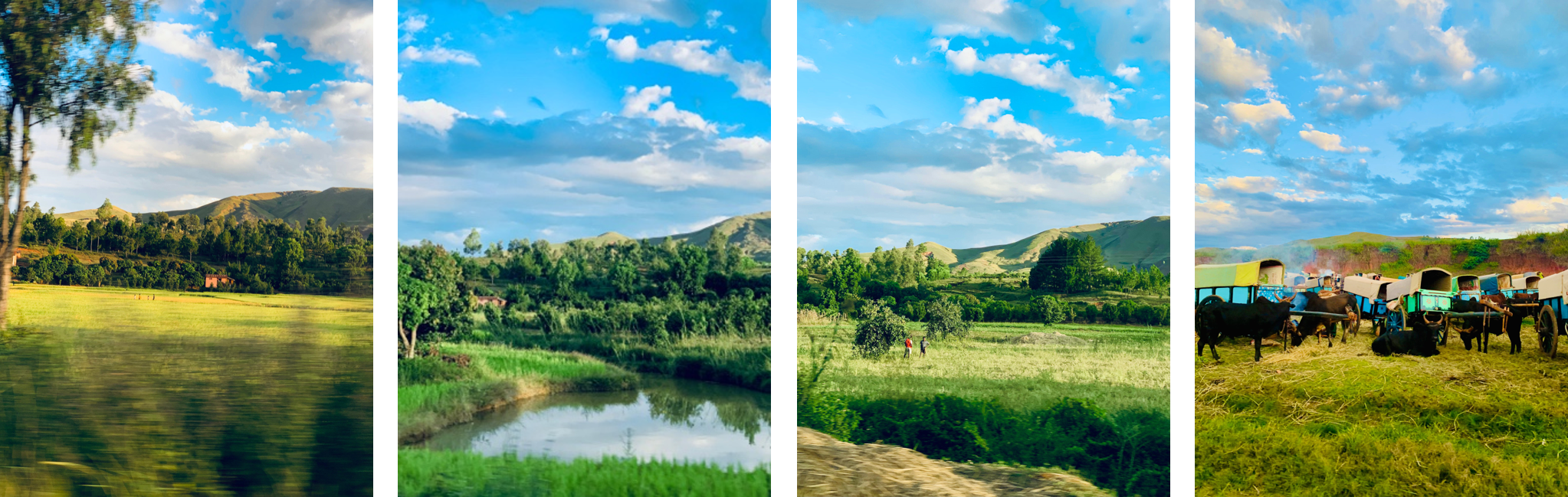
Figure 2 Madagascar scenery
Welcome, Introduction and Equity, Diversity & Inclusion
Speakers: Clive Gray, Yanet Valdez Tejeira & Odilia Wijburg
The school began with a welcome session by Clive Gray that quickly set the tone for everything that followed. More than a formal introduction, it was an invitation to reflect on the space we were inhabiting and its impact, especially in contexts where access to science remains unequal. The importance of initiatives like this school was highlighted – not only as spaces to bring researchers together, but as catalysts for building local scientific communities. Examples such as the recent emergence of immunology societies in Benin and Zambia showed how these encounters can have an impact that goes far beyond the immediate experience.
The format of the session reflected this intention. Participants sat in a large semicircle, creating a horizontal space where everyone could see and listen without hierarchies. Introductions went beyond the academic: each participant shared where they came from, what they worked on, but also what defined them and what made them happy outside of science.
The Equity, Diversity and Inclusion session led by Yanet Valdez Tejeira and Odilia Wijburg brought forward some of the most present (and often least discussed) tensions within the scientific system. Questions of visibility were raised: who is seen, who remains at the margins, and how these dynamics are constructed. Toxic behaviours – often normalised – were addressed directly. The discussion focused on how to move from a model where LMIC researchers are mainly collaborators, to one where they can take on real leadership roles in knowledge generation.
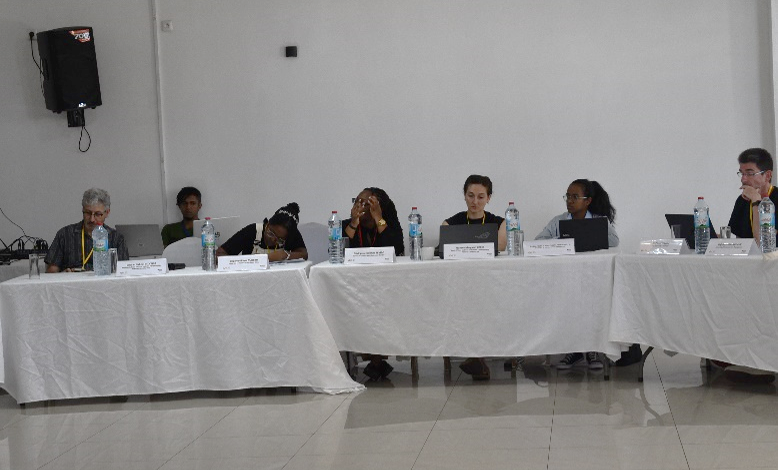
Figure 3 Faculty and participants
Immune Responses to Tuberculosis
Speakers: Ludovic Tailleux, Chaouki Benabdesselam, Dieter Kabelitz & Paulo Ranaivomanana
The second part of the day focused on immune responses to tuberculosis (TB) from multiple angles. Ludovic Tailleux opened with an introduction to innate immunity, reviewing key aspects of infection and focusing on early events such as alveolar macrophage infection and granuloma formation, illustrated through two-photon microscopy.
Chaouki Benabdesselam explored the “macrophage dilemma,” contrasting alveolar macrophages (more permissive) with interstitial macrophages (more hostile). Using spatial transcriptomics, differences within the granuloma were discussed, including populations such as Trem2+ macrophages, raising questions about potential targeting strategies and the complexity of the tissue microenvironment.
Dieter Kabelitz presented the role of γδ T cells, their recognition of phosphoantigens, and their activation. Their involvement in early infection and potential in vivo activation using antibodies like ICT01 was highlighted, with possible implications beyond infectious disease, including cancer. Paulo Ranaivomanana discussed the influence of type 2 diabetes on TB, showing how it can alter immune responses and disrupt granuloma integrity, facilitating disease progression.
Group Work, Grant Writing & Poster Session
The scientific sessions continued with activities where participants took on a more active role. Divided into random groups, participants worked on small challenges directly connected to the topics previously discussed – debating strategies such as vitamin D therapy, the impact of diabetes on TB, and vaccine approaches involving γδ T cells.
The grant-writing challenge was introduced: one of the core pillars of Immuno-Madagascar. In groups of 4–5, participants began to shape ideas previously explored during the online pre-course into concrete scientific proposals. The day closed with a poster session in a relaxed atmosphere, accompanied by a much-needed coffee break.
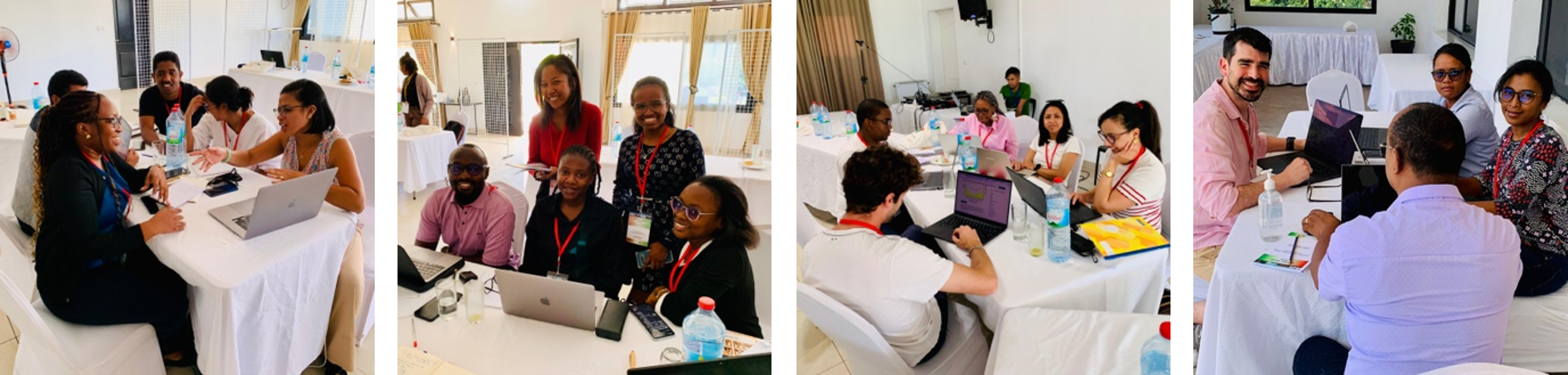
Figure 4 Group and Grant Writing Work
Personal Reflections
“What surprised me most was how the EDI session was not a side note but a foundational layer for the entire day. It fundamentally reframed how I listened to the TB science. The discussions on funding inequities gave new weight to the challenges of TB research in Madagascar and beyond. The day taught me that scientific excellence cannot be separated from the people doing the science. Learning to recognise my own positionality and committing to creating safer, more equitable spaces felt just as critical as understanding the intricacies of the macrophage. The day did not just impact my knowledge; it shifted my perspective on my role as a scientist – from a lone discoverer to a responsible member of a global, and deeply human, community.” – Antsaniaina RAVELOMANANTSOA
“The first day was largely shaped by a shared sense of enthusiasm and anticipation for the week ahead. There is always something quietly powerful in human exchange: in listening to others, in understanding the experiences that have shaped them, and in realising how those stories begin to reshape us in return. The importance of truly listening, of giving space and equal weight to different voices, backgrounds, and perspectives became clear – something that many scientific environments still struggle to fully embrace. A more representative and fair science is not built in isolation, but through connections where diverse voices do not simply coexist but actively shape what science can become.”- Cristian G. Beccaria
Day 2 – Tuesday, 14 April 2026 – Munsaka Siamuchembe
Neutralising Antibodies and Immune Mechanisms
Speaker: Frances Ayres
The day opened with a presentation by Frances Ayres on immune mechanisms, with a particular focus on neutralising antibodies. The session examined how the immune system deploys antibodies to neutralise pathogens and the implications for both natural infection and vaccine design. A Question & Answer session followed, with lively discussion continuing among participants during the tea and coffee break.
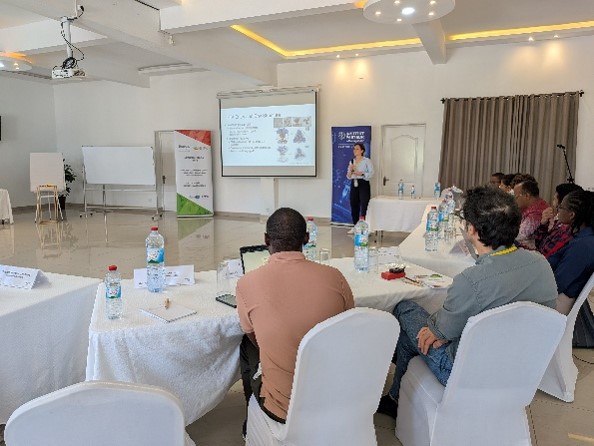
Figure 5 Frances Ayres
Host–Pathogen Interactions and Dynamics in Leptospirosis
Speaker: Matthieu Picardeau
Matthieu Picardeau presented on host–pathogen interactions and dynamics in Leptospirosis. The talk explored how Leptospira engages with the host immune system, the mechanisms underlying pathogenicity, and the broader implications for understanding zoonotic bacterial infections. A further Q&A session followed this presentation.
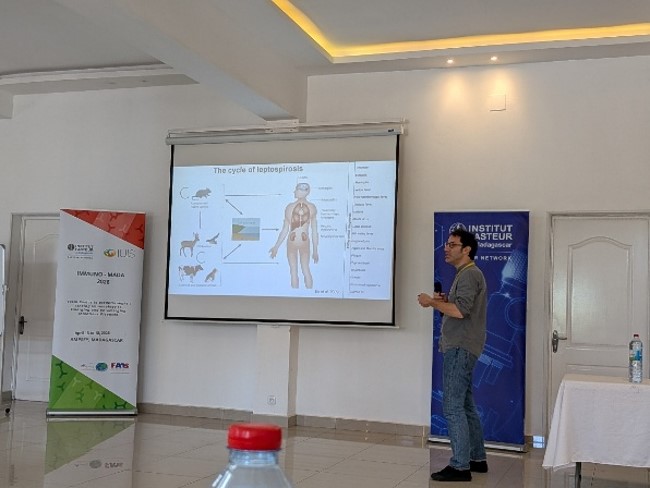
Figure 6 Matthieu Picardeau
The Ecosystem of Immunity: The Gut Microbiome and Mucosal Defence
Speaker: Yanet Valdez Tejeira (online)
Following the tea break, Yanet Valdez Tejeira joined remotely to present on the ecosystem of immunity, addressing the gut microbiome and mucosal defence mechanisms. The session explored the interplay between the microbiota and immune responses, and how disruption of this relationship can influence susceptibility to infection.
Group Work, Grant Writing & Poster Session
Students were assigned group work to discuss immune interactions in the context of co-infections and malnutrition. Each group subsequently presented their findings to the wider cohort, generating cross-disciplinary discussion on how these compounding factors shape immune outcomes in low-resource settings.
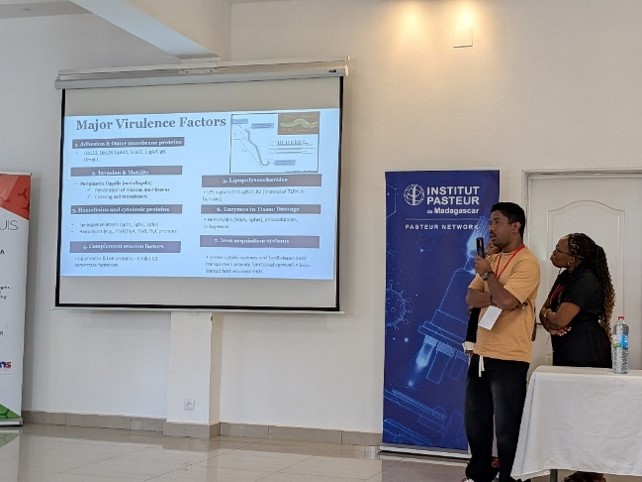
Figure 7 Student group work presentation
Following a comfort break, students reconvened in their grant writing groups to advance their funding proposals, building on the scientific themes explored during the day.
The day closed with a tea break and a poster session focused on malaria, providing participants with an opportunity to engage informally with each other’s research and to continue conversations sparked by the day’s presentations.
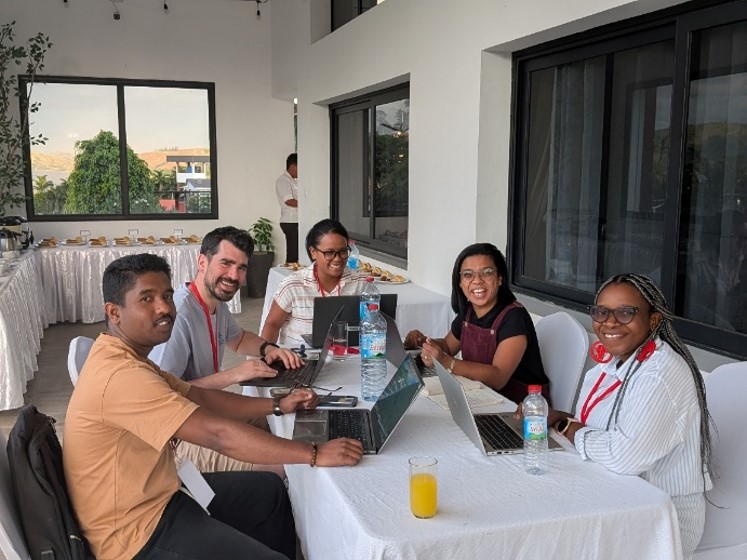
Figure 8 Grant writing group work
Day 3 – Wednesday, 15 April 2026 – Hajaharivelo RAVOAVY
Wednesday’s programme offered a comprehensive exploration of viral immunology and the genetic foundations of infectious diseases through four intensive talks delivered by three distinguished experts.
HIV Immune Escape and Chronic Inflammation
Speaker: Dr Doty Ojwach
The morning began with two sessions by Dr Doty Ojwach, who addressed the persistent challenges of chronic inflammation and the complex mechanisms of HIV escape. A primary theme of her first talk was that while antiretroviral therapy (ART) remains the gold standard for viral suppression, it does not inherently equate to a fully restored immune system. Persistent immune activation was highlighted as a critical driver of microbial translocation and immune imbalance, even in individuals with undetectable viral loads. This chronic stimulation often leads to immune ageing and senescence, particularly in younger patients, as the virus fundamentally alters tissues such as the gut and lymph nodes.
In her second talk, Dr Ojwach delved into the ‘catch-up game’ played by the immune system. While HIV controllers target conserved viral sites, most progressors fail to control the infection due to the virus’s high mutation rate and the constant evolution of its epitopes.
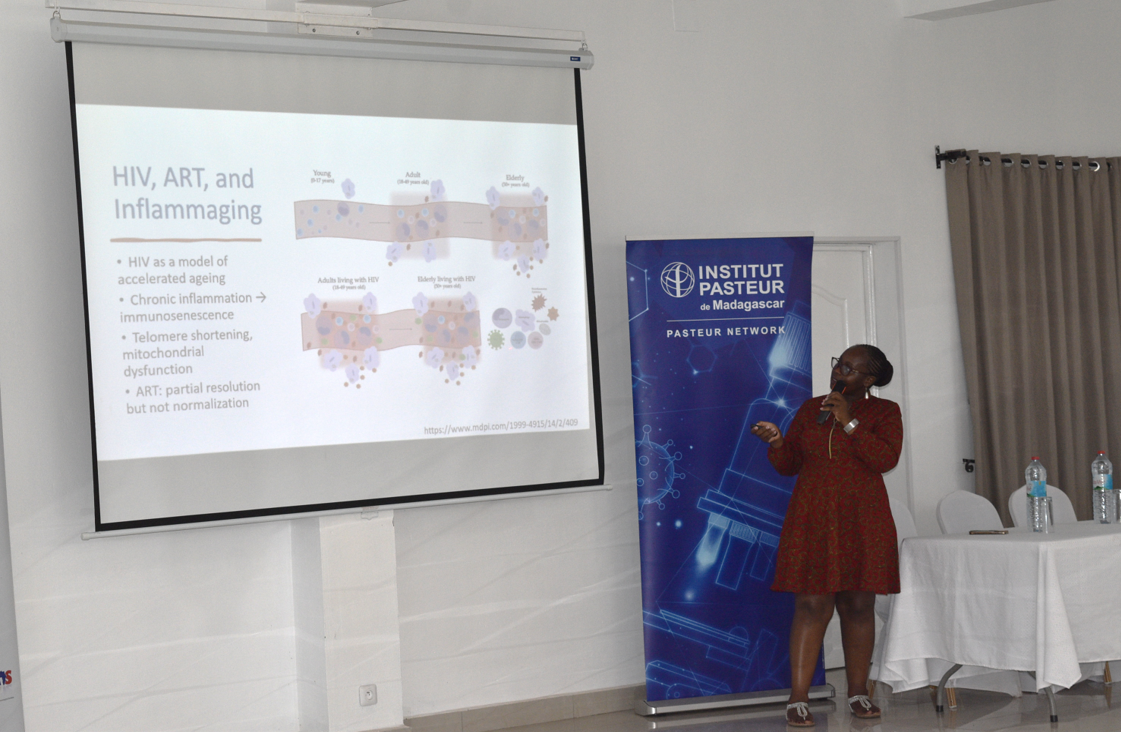
Figure 9 Doty Ojwach
HIV, CMV Co-infection and Reproductive Immunology
Speaker: Prof. Clive Gray
Prof. Clive Gray shifted the focus to the clinical impact of HIV and Cytomegalovirus (CMV) co-infection, with specific emphasis on reproductive immunology. He discussed how the immune system is compartmentalised within the placenta and revealed surprising data on the infiltration of T-cells into the fetal compartment. This infiltration and the resulting poor vascular development are linked to adverse birth outcomes – such as preterm delivery – which remains a significant burden for mothers living with HIV. The session underscored the urgent necessity for identifying biomarkers such as IL-6, CRP, and D-dimer to stratify risk and improve long-term clinical outcomes for both mothers and infants.
Novel Genetic Susceptibility to Infectious Diseases
Speaker: Prof. Ridha Barbouche (online)
Prof. Ridha Barbouche joined the group virtually to present on novel genetic susceptibility to infectious diseases. He emphasised that human beings are not equal in their response to pathogens, and that genetic tools are now uncovering fundamental errors of immunity that explain why certain individuals are uniquely susceptible to specific infections. His talk highlighted the role of STAT1 mutations in predisposing children to severe fungal infections like Candida albicans, demonstrating how bench science can directly inform bedside diagnosis.
Afternoon Excursion
In the afternoon, the academic intensity was balanced by a retreat to the Isle of St Mary in Ampefy. Participants enjoyed a scenic boat trip and lunch at this tourist site, which provided a valuable opportunity for informal mentorship and cross-cultural interaction between students and faculty.
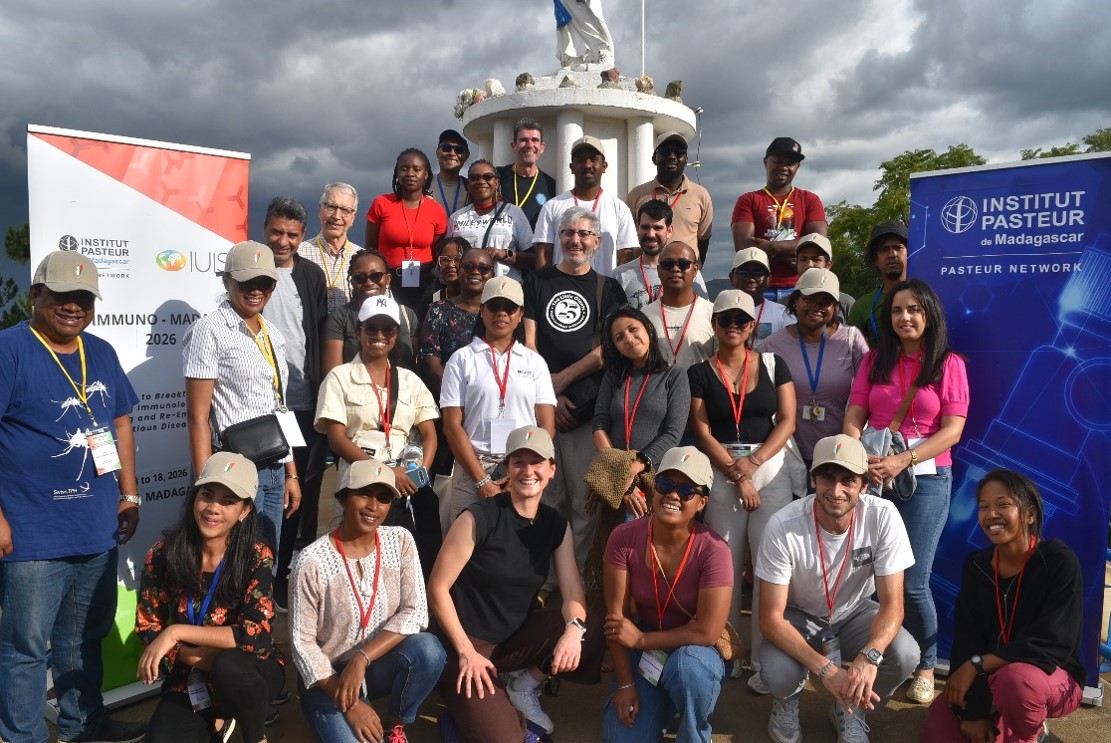
Figure 10 Immuno-Madagascar Faculty and Participants
Figure 11 Excursion
Personal Reflection – Hajaharivelo RAVOAVY
“The day’s sessions were profoundly impactful, particularly in highlighting the ‘hidden’ effects of HIV that persist despite effective treatment. I was surprised by the extent of immune ageing and how the virus can alter tissue environments – such as the placenta – in ways that standard blood tests cannot detect. Prof. Clive Gray’s talk on HIV-exposed but uninfected (HEU) infants was especially moving, emphasising our responsibility to look beyond the bench to improve long-term outcomes for the next generation. Prof. Ridha Barbouche’s virtual session opened my eyes to a more holistic view of disease, reminding us to consider individual genetic landscapes alongside viral pathology. The afternoon retreat was a highlight, reinforcing that scientific collaboration is most effective when built on personal connections and shared experiences.”
Participant Quotes
“The most valuable thing about this kind of course is actually how science is being conducted in all places in the world… it is a good opportunity to see the high-level research being held also here in Africa.” – Cristian G. Beccaria
“The teaching is tough and challenging, but we have to trust the process because at the end of the day it will be beneficial to us.” – Olifara
Day 4 – Thursday, 16 April 2026 – Maëlys Tolojanahary
Tuberculosis Vaccine Development
Speaker: Steffen Stenger
The first lecture, delivered by Steffen Stenger, outlined the principles of tuberculosis vaccine development. He emphasised the limitations of the BCG vaccine and the absence of validated biomarkers for protection, underscoring the need for reliable correlates of immunity. Several candidates were discussed, including recombinant BCG strains, MTBVAC, MVA85A, H56:IC31, and emerging mRNA platforms, highlighting both the complexity of TB immunology and the innovative approaches under investigation.
Figure 12 Steffen Stenger
Malaria Vaccinology
Speakers: Bénoit Witkowski & Laty Gaye Thiam
The second session focused on malaria vaccinology. Witkowski examined host immunity to Plasmodium infections, stressing the slow and strain-specific nature of acquired immunity and the challenges posed by antigenic variability. He also addressed severe disease manifestations such as cerebral and pregnancy-associated malaria, the latter linked to VAR2CSA-expressing parasites. Thiam expanded on vaccine development strategies, presenting Growth Inhibition Activity (GIA) as a mechanistic correlate of protection. Current vaccines such as RTS, S/AS01 and R21-Matrix M were reviewed, alongside next-generation candidates like RH5. The lectures highlighted the need to integrate genomic diversity and surveillance into vaccine design.
Next-generation Vaccine Platforms
Speakers: Caryn Fenner & Kegomoditswe Malebo
The third lecture explored next-generation vaccine platforms. Fenner provided an overview of mRNA technology, emphasising its adaptability, scalability, and potential for global access. Using Afrigen’s Afrivac2121 as a case study, she demonstrated successful preclinical development comparable to approved COVID-19 vaccines. Malebo presented a nanoparticle-based HIV-1 vaccine designed to enhance B-cell activation through high-density Env trimer display. Structural analyses confirmed the platform’s potential, with immunisation studies showing induction of neutralising antibodies. Together, these talks illustrated the promise of RNA and nanoparticle technologies in advancing vaccinology.
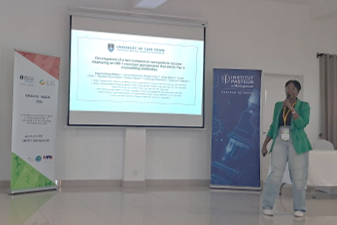
Figure 13 Kegomoditswe Malebo
Grant Writing and Group Work
Participants engaged in a grant writing session facilitated by mentors, refining proposals for clarity and methodological rigour. In parallel, student groups collaborated on conceptual vaccine designs for TB, HIV, and malaria, critically evaluating scientific challenges and correlates of protection. This exercise reinforced the importance of communication, teamwork, and strategic thinking in research.
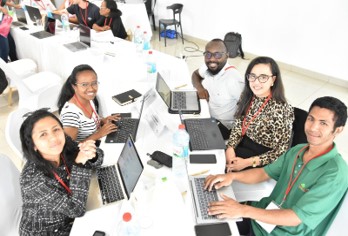
Figure 14 Grant Writing group work
Cultural Evening
The day concluded with a cultural banquet where participants wore traditional attire to celebrate diversity. Zambia’s chitenge, paired with ceremonial feathered headpieces, and Madagascar’s lamba landy, traditionally worn during engagements, symbolised national identity and pride. The event highlighted how cultural exchange enriches scientific collaboration.
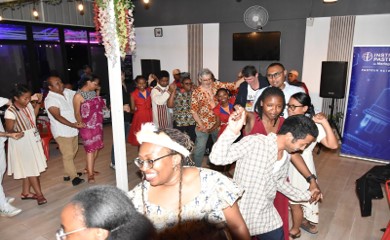
Figure 15 Cultural Evening
Personal Reflection – Maëlys Tolojanahary
“Day 4 unfolded as one of depth and discovery, shaped by lectures that reminded us of both the complexity of vaccine science and the creativity required to move it forward. Listening to Steffen Stenger on tuberculosis, Bénoit Witkowski and Laty Gaye Thiam on malaria, and Caryn Fenner and Kegomoditswe Malebo on next-generation platforms, I realised that vaccinology is not only about molecules and mechanisms, but also about the persistence of human imagination in the face of daunting challenges. Data became more than numbers; they became stories of resilience, of researchers striving to translate uncertainty into progress. The grant writing workshop and group exercise revealed another dimension of science: the art of communication and collaboration. The cultural banquet that followed reminded us that progress is born not only from rigorous inquiry but also from the connections we build across boundaries.”
Participant Quotes
“The course was intense and informative.” – Tiphany Nkomo, Stellenbosch University, South Africa
“The programme offered a refreshing review of fundamental concepts while introducing new insights into tuberculosis, HIV, and leptospirosis. It was intense yet enriching.” – Phillip Ssekamatte, Makerere University, Uganda
Day 5 – Friday, 17 April 2026 – Tiphany Nkomo
Immunity Across Species and Barriers to Zoonoses
Speakers: Prof. Michele Miller & Prof. Chaouki Benabdesselam
The day kicked off with a presentation from Prof. Michele Miller on the evolution of the immune system, specifically focusing on how diverse biological adaptations necessitate a shift from “one size fits all” immunology. The central theme was the role of placental structure in determining the transfer of passive immunity: since the number of cellular layers between mother and foetus varies by species, so does the level of pre-natal protection. For many animals – such as those with epitheliochorial placentas – this barrier prevents any direct antibody transfer in utero, making colostrum the sole determinant of neonatal survival. Prof. Miller concluded that to truly understand host responses across the animal kingdom, we must prioritise the development of multi-species tools and reagents.
The second part of the session focused on the One Health intersection between human, animal, and environmental health. Prof. Miller highlighted a critical immunological paradox: while humans often suffer from severe immunopathology when exposed to zoonotic viruses, reservoir hosts like bats and wild birds have evolved a high degree of pathogen tolerance. Her talk emphasised that spillover events are rarely isolated incidents, but rather a convergence of ecological stress, globalisation, and livestock intensification.
Prof. Chaouki Benabdesselam then shared data from Tunisia revealing that Mycobacterium bovis is responsible for approximately 75% of TB lymphadenitis cases – a major zoonotic gap, especially given the diagnostic challenges. He emphasised the need for better diagnostic biomarkers and ongoing research into HBHA as a potential bridge for these diagnostic gaps.
Student Group Work and Grant Writing
Friday was the most intense day. The organisers ensured participants remained alert by shuffling groups for every presentation. If there is one thing to take away from the group work, it is that being uncomfortable is usually a sign that you are actually growing.
The grant-writing exercise was eye-opening. Many groups started completely stuck in the science, so focused on technical methodology that the most important part – impact – was overlooked. The lesson was that a great grant is not just about the data; it is about who actually benefits and what change it brings to society. Shifting the mindset from “what are we doing” to “why does this matter” was the most valuable lesson of the exercise.
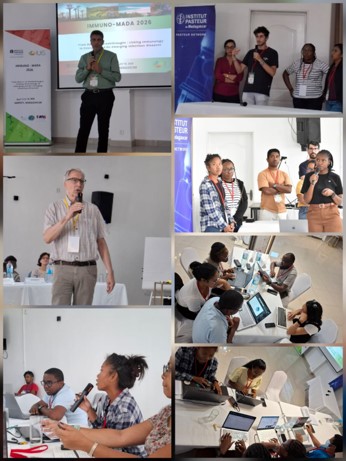
Figure 16 Faculty and students
Personal Reflection – Tiphany Nkomo
“Participating in this course has been nothing short of transformational. In addition to the theory itself, it taught invaluable skills such as collaboration, networking, and writing with impact. It was a privilege to learn from leading experts in the field and to network with such a diverse group of peers. Leaving my comfort zone in TB was absolutely necessary.”
Participant Reflections on the Course
As this was the last day of lectures, participants were asked to summarise their learning experience in three words. The top words were Insightful, Informative, and Challenging – an accurate representation of a course that was intense by design, precisely to keep everyone fully engaged.
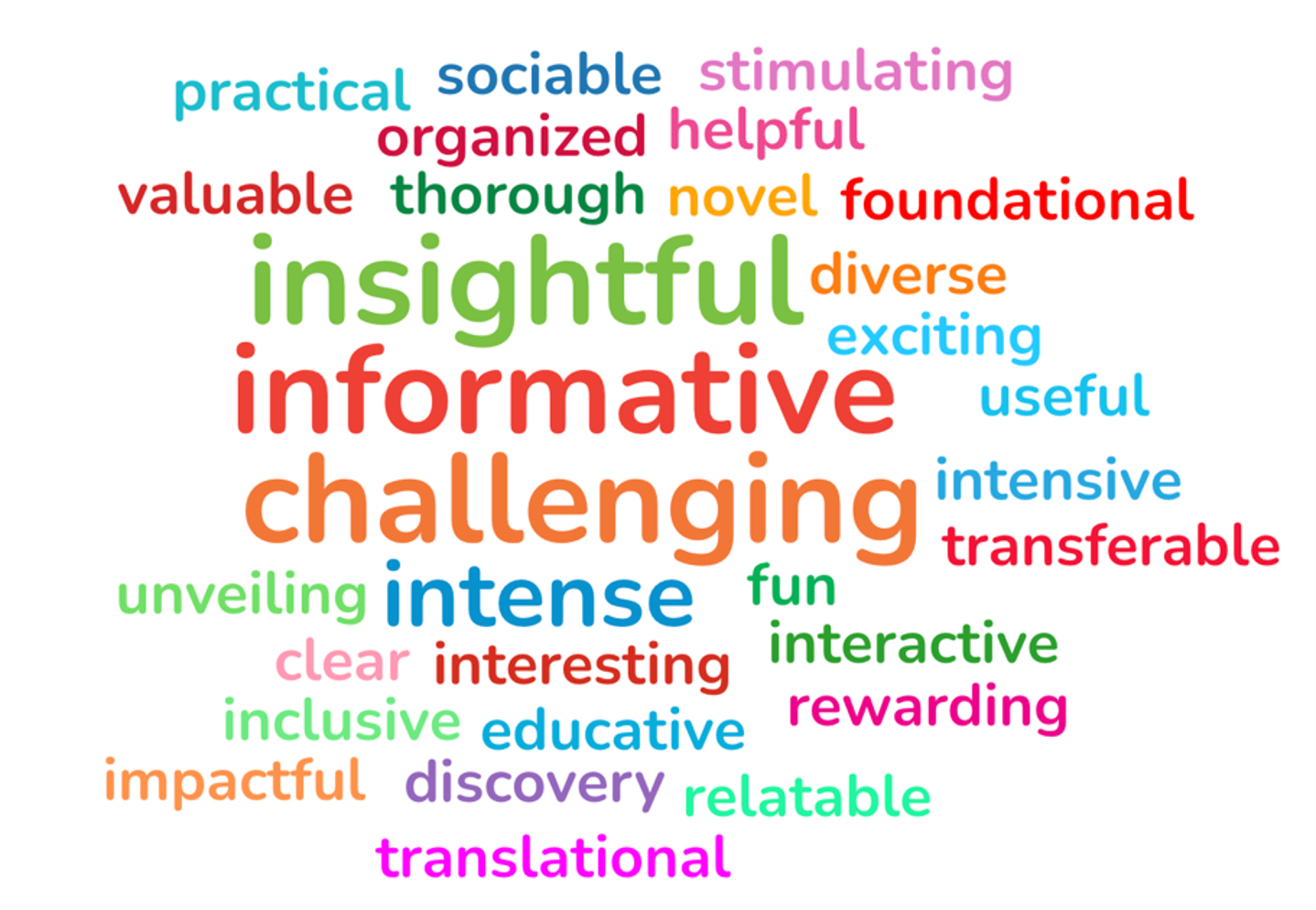
Figure 17 Word cloud – Students summarise their learning experience in 3 words
Day 6 – Saturday, 18 April 2026 – Rado RAKOTONANAHARY
Grant Writing Presentations
The final day of the course was dedicated to the grant writing presentations. Each group presented their proposal to the judges: Dr Voahangy Rasolofo, Dr Niaina Rakotosamimanana, Prof. Dieter Kabelitz, Prof. Chaouki Benadessalem, and Dr Doty Ojwach.
Poster Vote and Roundtable Discussion
After the presentations, all participants voted for the best poster by reviewing every poster and writing their two favourites on a post-it, which were subsequently counted. Prof. Dieter Kabelitz and Prof. Chaouki Benadessalem left just after the deliberation to catch their flights but took time to greet all participants before departing. This was followed by a roundtable discussion during which participants shared their feedback on the course, highlighting both strengths and areas for improvement.
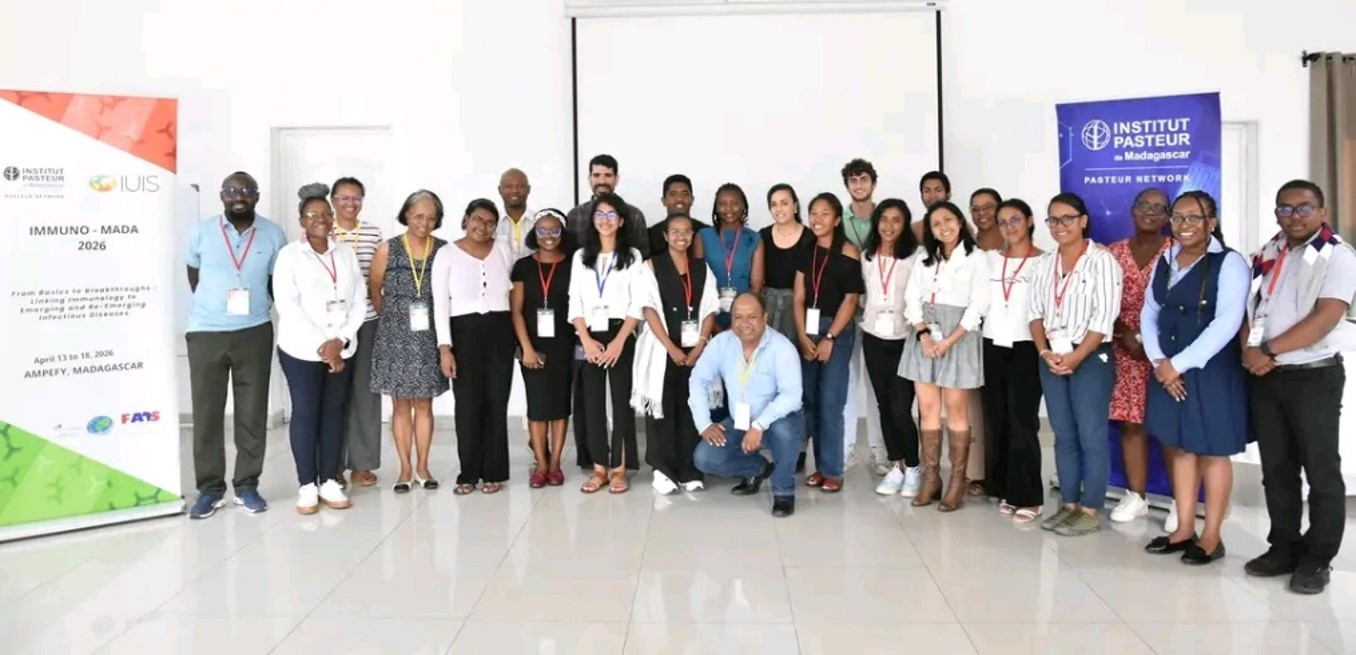
Figure 18 Immuno-Madagascar group photo
Certificate and Awards Ceremony
Before lunch, the session concluded with the certificate and awards ceremony. All fellow participants received their certificate of completion of the Immuno-Mada 2026 course.
Best Poster Awards:
- 1st place – Tiphany Nkomo
- 2nd place – Carlos Valverde Hernandez
- 3rd place – Hajaharivelo RAVOAVY
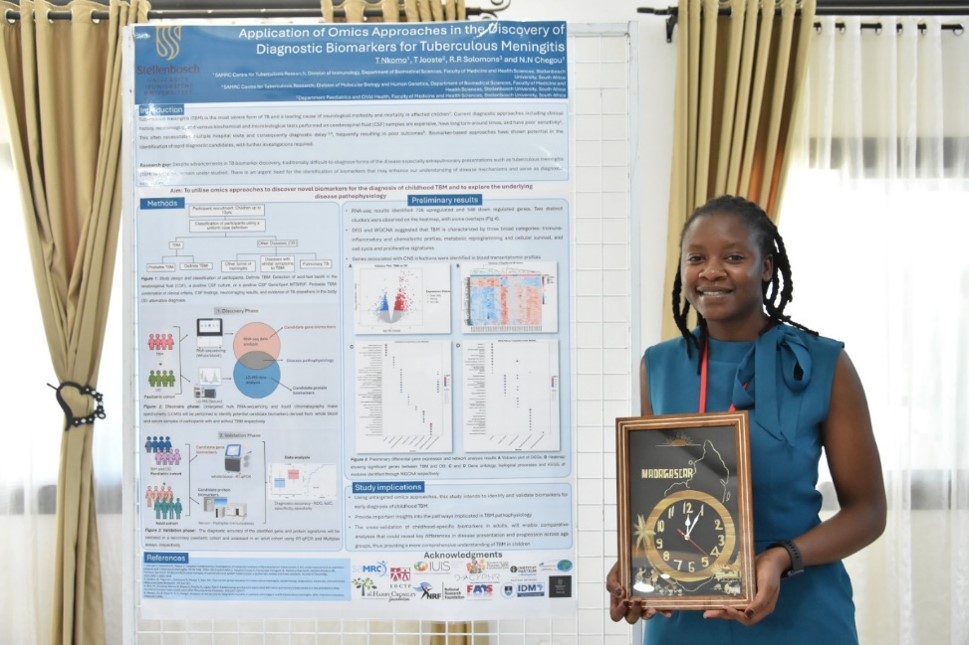
Figure 19 Tiphany Nkomo – 1st place Poster Prize
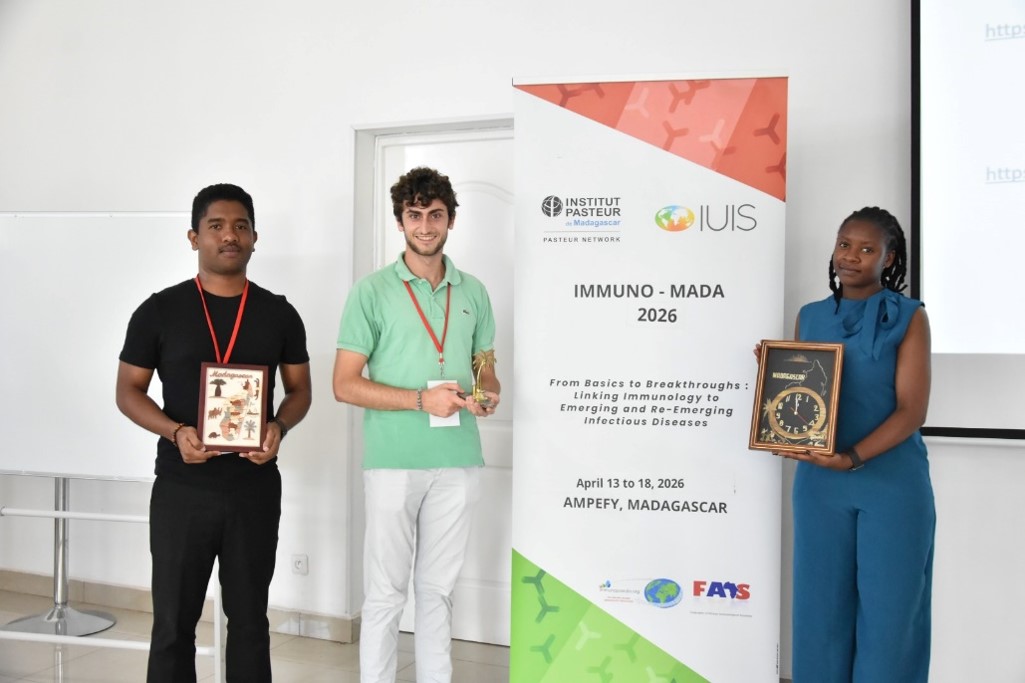
Figure 20 Poster Prizes: Hajaharivelo RAVOAVY (3rd place), Carlos Valverde Hernandez (2nd Place), Tiphany Nkomo (1st Place)
The grant writing award was given to Group 4 for their project titled “Maternal gravidity and neonatal monocyte impairment: identifying screening markers for placental malaria exposure in Madagascar,” presented by Antsaniaina RAVELOMANANTSOA, Mizinga Jacqueline Tembo, Tiphany Nkomo, Tsimaniho Casimir Marien Radimison, and Maelys Tolojanahary. Supervised by Prof. Chaouki Benadessalem and Prof. Marie Chrystine Solofoharivelo.
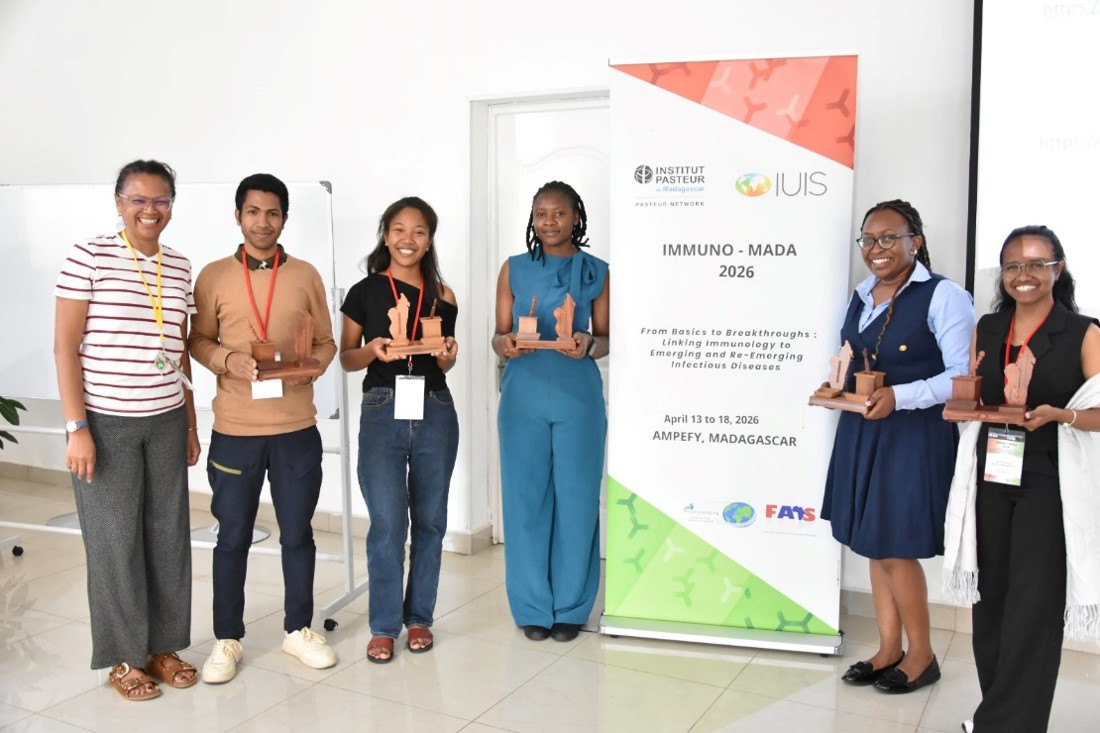
Figure 21 Grant Writing Winners: Marie Chrystine Solofoharivelo (Supervisor) Antsaniaina RAVELOMANANTSOA, Mizinga Jacqueline Tembo, Tiphany Nkomo, Tsimaniho Casimir Marien Radimison, and Maelys Tolojanahary.
Afternoon Excursion
In the afternoon, some participants visited the waterfall of Lily.
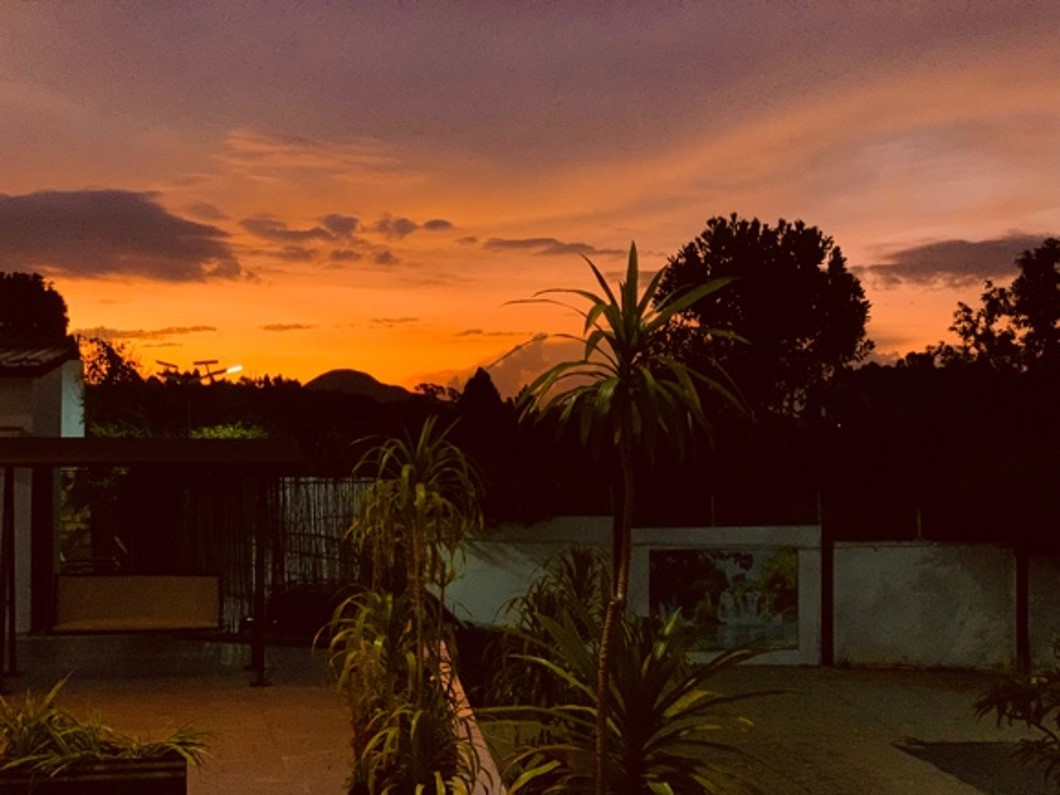
Figure 22 Sunset in Ampefy
Edited and compiled by Bonamy (Bon) Holtak – Immunopaedia