

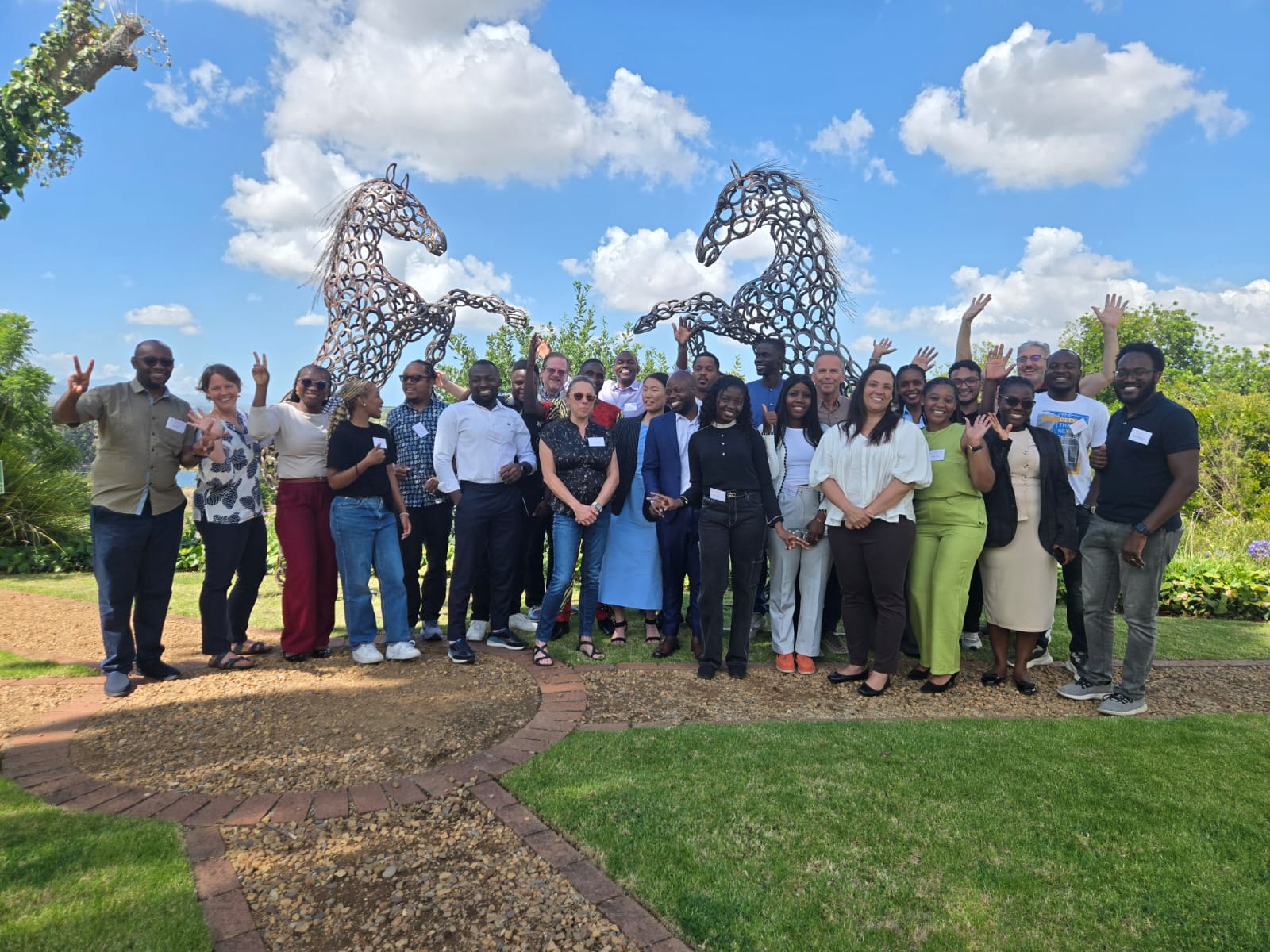
Group photo at Devon Valley Hotel
Day 1 – Zipei Wang
Monday, 26 January – Getting to Know You & Emerging Technologies
The first day of the 13th Infectious Diseases in Africa (IDA) symposium set a strong and welcoming tone for the week ahead. The morning began with a warm introduction by Prof. Clive Gray, followed by a “Getting to Know You” session that allowed young investigators and faculty members to meet beyond the confines of science. From the outset, the atmosphere felt open, inclusive, and supportive. Although scholars came from diverse scientific backgrounds and institutions, they shared a sense of purpose and excitement about learning together over the coming days.
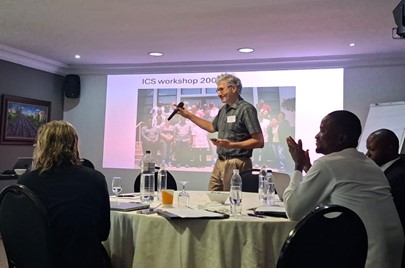
Prof Clive Gray – Welcome
One of the most impactful early sessions featured previous IDA scholars, Afrah Khairallah, Carine Kunsevi, and Doty Ojwach, who shared their scientific journeys and career advice. This session provided an honest and reassuring perspective on navigating a career in science. Hearing about both successes and challenges made the path forward feel more tangible and reinforced the value of mentorship, perseverance, and having a support network.
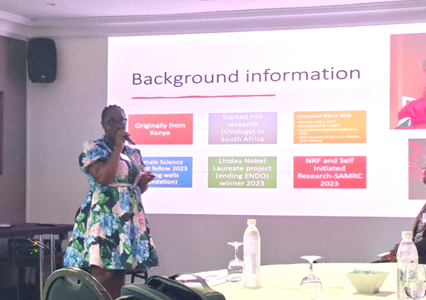
Dr Doty Ojwach
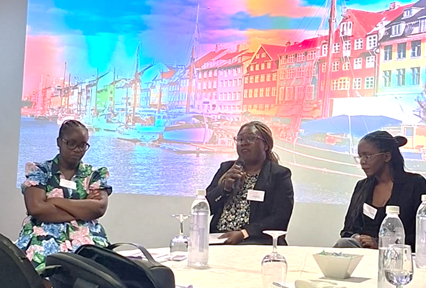
Dr Doty Ojwach, Dr Carine Kunsevi and Dr Afrah Khairallah
“Don’t wait for the leadership badge, be the leader, and lead by example!” – Afrah Khairallah
This was followed by an Emeritus Lecture delivered by Prof. Michael Betts. The lecture offered both scientific depth and a broader perspective, reminding us of the importance of curiosity, scientific rigour, and a long-term mindset in impactful research.
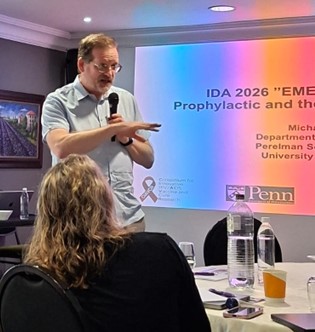
Prof Michael Betts
The late-morning session on Emerging Technologies and Concepts featured a series of talks showcasing innovative approaches currently shaping immunology and infectious disease research. Topics ranged from placental CMV antigen expression using flow and image cytometry to single-cell RNA sequencing for identifying correlates of TB vaccine protection, spatial transcriptomic analysis in HIV, lipid nanoparticle-based redistribution of effector cells, and BCG-induced trained innate immunity in South African infants exposed and unexposed to HIV. The subsequent roundtable discussion encouraged active participation and shared ownership of the learning process, setting clear expectations that scholars would be engaged contributors rather than passive attendees. The discussion prompted us to think critically about how to ask translational questions that would engage all the faculty.
After lunch, there were structured sessions led by Prof. Guido Ferrari and Prof. Clive Gray on how to ask effective questions and conduct roundtable discussions. These sessions were valuable in building confidence and providing practical tools for engaging in scientific dialogue.
The day concluded on a high note with an introduction to grant writing presented by Prof. Guido Ferrari. This session offered a detailed and realistic introduction to grant writing and the peer-review process. We also had the opportunity to hear the grant proposal from the 2025 BIG-WE scholars and observe it being evaluated by faculty members, as would occur in a real study section. The session emphasised the importance of scientific rigour, feasibility, coherence, and clarity. Observing how proposals are discussed and assessed by the reviewers provided valuable insight into this process.
“Don’t restrict yourself to what is published.” – Prof. Clive Gray
Overall, the first day was intense but deeply affirming. While the volume of information was dense, the supportive and encouraging environment made the experience energising rather than overwhelming. Day one laid a strong foundation for the week, highlighting that becoming a scientist is not only about mastering techniques but also about engaging critically and growing within a collaborative scientific community.
Personal Reflection
One moment that stood out most to me was hearing from previous IDA scholars Afrah Khairallah, Carine Kunsevi, and Doty Ojwach. Their stories about navigating challenges, celebrating successes, and building careers in science were inspiring and relatable. It reminded me that mentorship, resilience, and learning from others are just as important as mastering techniques.
I was also fascinated by the innovative research presented today, from immune studies in infants exposed and unexposed to HIV to the use of lipid nanoparticles to redistribute effector cells. These talks opened my eyes to the possibility of extending techniques beyond their intended use, inspired me to think outside the box, and explore how they could enrich my current project.
The mock grant writing session with Prof. Guido Ferrari was eye-opening, demonstrating how clarity, rigour, and feasibility shape successful proposals. It motivated me to think critically about my own research questions and how to communicate them effectively.
Overall, day one was immersive, exciting, and inspiring. It reminded me that science thrives not only on ideas and experiments but also on collaboration, mentorship, and curiosity. I left feeling energised and eager to continue learning and contributing alongside such an incredible community of young investigators.
Day 2 – Joel Musando
Tuesday, 27 January – HIV Prevention and Immune Therapy
Erica Andersen-Nissen welcomed participants to the Day 2 session and introduced the first speaker, Prof. Thumbi Ndungu (AHRI). Prof. Ndungu delivered a presentation on HIV prevention, cure, and immunity, highlighting key advances and ongoing challenges in the field. He emphasised the importance of understanding immune responses that support long-term control of HIV and inform cure strategies. This opening session set a strong scientific tone for the morning’s discussions.
The keynote presentation was followed by round table discussion groups, moderated by Dr G. Ferrari and an IDA Scholar. These discussions focused on strengthening participants’ ability to ask meaningful scientific questions and engage in productive academic dialogue.
Later in the morning, the symposium featured student oral presentations showcasing a range of HIV-related research projects. A total of seven students presented each allocated ten minutes. After the presentations, participants were given time to formulate questions. Notably, many questions reflected the earlier roundtable discussions and were framed as broader application questions rather than directed to a single presenter. This led to a rich discussion, with presenters drawing on their research experiences and projects at their home institutions. The session highlighted the value of collaboration in addressing complex challenges related to HIV and immunity.
After the lunch break, Dr Ferrari led a session on grant writing, introducing participants to different funding sources, national grant programs, and tools for exploring NIH grant opportunities. He emphasised the importance of clearly articulating significance and innovation, particularly within the Aims section. He also outlined key criteria commonly used by NIH reviewers, including significance and innovation, rigour and feasibility, investigator capacity, and research environment. A key takeaway from this session was the importance of the Specific Aims page, described as the most critical single page of a grant application.
IDA
The day concluded with highly interactive, valuable poster presentations. Many presenters received detailed feedback and constructive criticism that strengthened their understanding of how to communicate research findings effectively. This session emphasised the importance of presenting key results clearly and concisely, rather than attempting to include too many findings at once. For many students, myself included, this was an important learning opportunity that strengthened our skills in poster design, oral communication, and scientific presentation. Overall, Day 2 delivered strong scientific engagement and practical training while encouraging collaboration among participants.
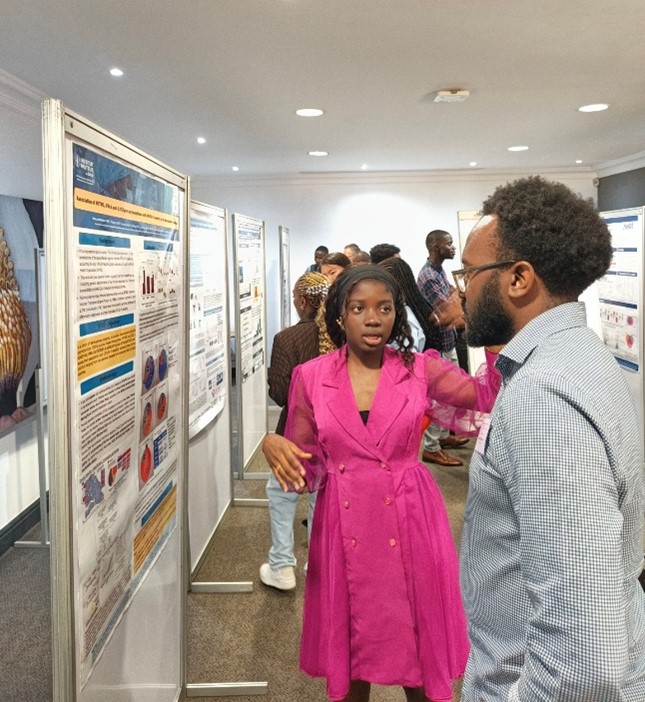
Poster Session
Personal Reflection
Day 2 of the IDA Symposia was both enriching and motivating for me. Beyond the scientific content, I especially appreciated the interactive discussions, which strengthened my confidence in asking better research questions and engaging critically with presentations. The grant writing session and the detailed feedback during poster presentations were particularly valuable, as they helped me identify practical ways to improve how I communicate my work. Overall, the day reinforced the importance of collaboration, open-minded thinking, and clear scientific communication in advancing clinical research.
Day 3 – Etienne Jam
Wednesday, 28 January – TB Immunity and Vaccine Development
The third day of the IDA Symposium arrived with a sharp, collective focus. After days exploring the layers of advanced immunology concepts and techniques, and the cross-cutting immunology of HIV, we turned to a singular, ancient foe: Tuberculosis. The theme, “TB Immunity and Vaccine Development,” promised a deep dive into one of the most intricate battles in medicine: the decades-long standoff between an evasive intracellular bacterium and the human immune system.
The morning’s keynote by Munyaradzi Musvosvi didn’t just start the day; it reframed the entire challenge. He began with a provocative and deceptively simple question that silenced the room: “Why do we mostly spend so much time studying the immune response of people who are losing their battle with TB, and then try to copy that failure into a vaccine?” This question cut to the heart of a traditional approach. His answer became the day’s central, rallying thesis: We must learn from the victors. He introduced us to the immunological equivalent of elite athletes: “controllers”, individuals who, despite being infected with M. tuberculosis, never develop active disease. Their immune systems achieve what our vaccines do not: durable, sterilising containment.
“Why do we mostly spend so much time studying the immune response of people who are losing their battle with TB, and then try to copy that failure into a vaccine?” – Munyaradzi Musvosvi
His lab’s work is a brilliant piece of biological reverse-engineering. Using high-throughput T cell receptor (TCR) sequencing and sophisticated clustering algorithms, they sift through the vast immunological “haystack” of these controllers. The goal is to find the rare, protective “needles”; the specific T-cell clonotypes that recognise the most critical bacterial targets. This isn’t about generic inflammation; it’s about finding the precise key (TCR) that fits the most vulnerable lock (antigen) on the pathogen. From this meticulous search, four priority antigen targets emerged: PE13, CFP-10, PPE18, and WbbL1.
The boldness of the next step was breathtaking. Instead of opting for a traditional, slower protein-subunit vaccine, his team is leveraging the mRNA platform. The vaccine constructs and encodes the four controller-derived antigens. The choice is profoundly strategic – mRNA technoloagility which allows scientists to “fail fast and iterate faster,” a crucial advantage in the long game of vaccine development.
This foundational vision was then stress-tested and expanded by our peers in a rapid-fire session of oral presentations. Each talk felt like a piece of a larger puzzle, examining TB from a distinct and essential angle.
Oluwaseun Taofeek challenged a reductionist mindset. Analysing data from the M72/AS01E vaccine trial, he argued that protection cannot be fully understood by measuring a single cytokine or cell population. Instead, he presented temporal immune network dynamics, a cascading conversation between innate signals, T cells, and B cells over time. His lesson was elegant and complex: true correlates of protection lie in the relationships and timing among immune players, not in isolated actors.
Etienne Yuh Jam immediately grounded this systems thinking in clinical practice. His work focuses on a pressing public health dilemma: the millions of people with latent TB infection (LTBI), and knowing who will progress to active disease. His project suggests conducting immunological profiling in predefined infection groups (uninfected, recently infected, older infection, and progressors) as a functional readout. His findings record T-cell activation markers (HLA-DR, CD3+) as functional readouts that can be developed into assays that help to stratify risk.
Tsholofelo Tshuma brought us to the frontier of discovery. Presenting immunogenicity data for the novel vaccine candidate H107e/CAF®10b, she embodied the cautious hope of early-phase research. Her phrase, “We saw a promising signal…”, is the heartbeat of translational science. It represents the fragile, initial evidence that must be nurtured through years of validation, scaling, and efficacy trials.
Francine Ndebame Faye and Afrah Khairallah expertly widened our lens. Francine demonstrated how a polymorphism in the IFITM3 gene shaped COVID-19 severity, a stark lesson that host genetics provides the foundational terrain on which infectious battles are fought. Afrah, by studying the proteomic landscape of patients, investigated the host factors that foster the development of potent neutralising antibodies against SARS-CoV-2. Together, they reinforced a cross-disease truth: the immune outcome is never just about the pathogen; it is a product of the host’s deeply personal biological context.
The faculty then guided us on ‘How to ask the right question?” In small groups, with a relentless seven-minute clock, we dissected the morning’s talks and forged one incisive, multidisciplinary question. The room erupted into a passionate debate. “Is that correlation or causation?” “How would co-infection with HIV alter that network?” “Did they account for previous BCG vaccination?” This was the sound of scientific literacy in action, moving us from passive absorption to active, collaborative critique.
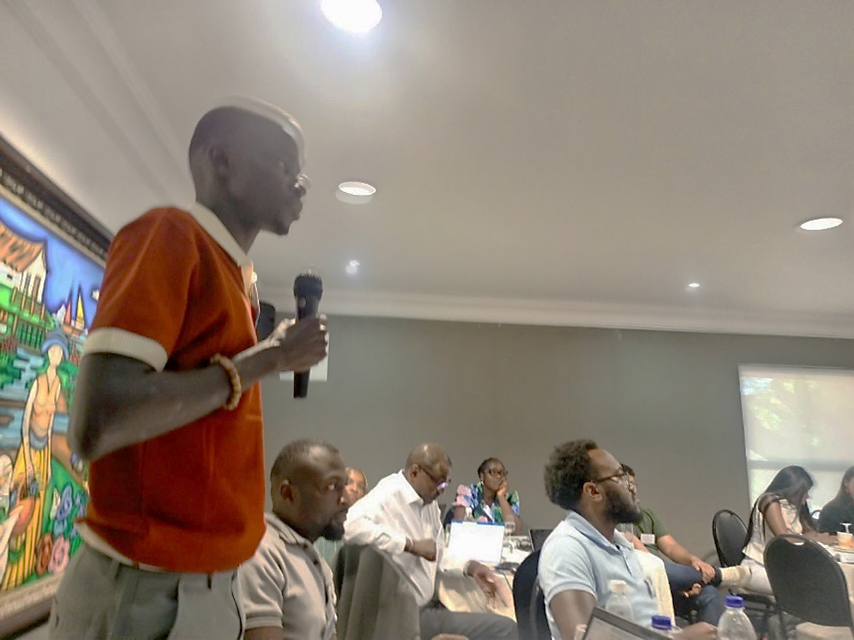
Participant Marouba Cisse asking a question on behalf of his group
This was the warm-up for the day’s core intellectual marathon: the three-hour grant simulation. Seated with dedicated mentors and active principal investigators who reviewed drafts in real time, we moved from deconstruction to construction. Our task was to transform a raw, innovative idea into a coherent, fundable research proposal. This was where ambition collided with the meticulous reality of experimental design. Mentor feedback was direct and invaluable: “Your hypothesis is compelling, but what is your primary endpoint? A biomarker shift or a clinical outcome?” “Your control group needs to account for community exposure, not just absence of disease.” “Have you powered your study to detect that effect size, or are you just hoping?” This session was an immersive lesson in essential science.
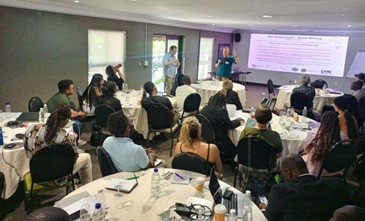
Prof.Guido Ferrari providing guidance on the grant writing group exercise
The day culminated in the vibrant, conversational arena of Poster Session 2. Here, the symposium’s collaborative atmosphere reached its peak. Peers became presenters, defending their work on topics ranging from vaccines and host-directed therapies to novel diagnostic markers. The feedback was a gift; immediate, personal, and formative.
One memorable exchange saw a senior scientist gently probe:
“You’ve beautifully shown how the disease affects the population and how it manipulates that host pathway. Now, think like the bacterium: why? What’s the evolutionary advantage? It will help you to better situate your endpoints and outcomes,” – Prof Guido Ferrari.
Personal Reflection:
Day 3 was a turning point for me. It was more than just an update on TB vaccine research; it felt like a lesson on how modern science can solve big problems. I saw how combining precision, new technology, and local efforts can turn a difficult challenge into smaller, manageable pieces. As I listened to the presentations and joined the discussions, I began to understand that controlling TB in the future will require us to learn the language of the immune system; not just its words, but how those words fit together in a complex conversation.
What surprised me most was the idea of learning from people who naturally resist TB. These individuals are like nature’s own heroes. It made me realise that some of the best ideas come from observing what works in real life. Using advanced tools like TCR sequencing and systems biology to study these protective responses felt like decoding a secret message. Once we understand this message, we can create better vaccines.
I also found mRNA technology very exciting. It’s the same technology that enabled the development of COVID-19 vaccines. It shows that we can move faster and be more flexible than before. Seeing local partnerships like Afrigen develop their own vaccine ideas was inspiring.
Reflecting on everything I learned, I realise that we are no longer just students of immunology. We are becoming apprentices, learning a craft that requires humility, patience, and skill. The immune system is incredibly complicated, full of subtle signals and hidden interactions. Moving from simply learning about it to debating how it works, and then to having the tools and confidence to create new solutions, feels like a real step forward. It made me see how much potential we have as a new generation of scientists, with the right knowledge and mindset.
Day 4 – DJUIDJE CHATUE Ide Armelle
Thursday, 29 January – Malaria Prevention and Other Infectious Agents
Day 4 focused on malaria prevention and the broader context of infectious agents that influence immune protection. The sessions highlighted how immunological mechanisms, pathogen interactions, environmental exposure, and socioeconomic factors collectively shape disease outcomes and prevention strategies.
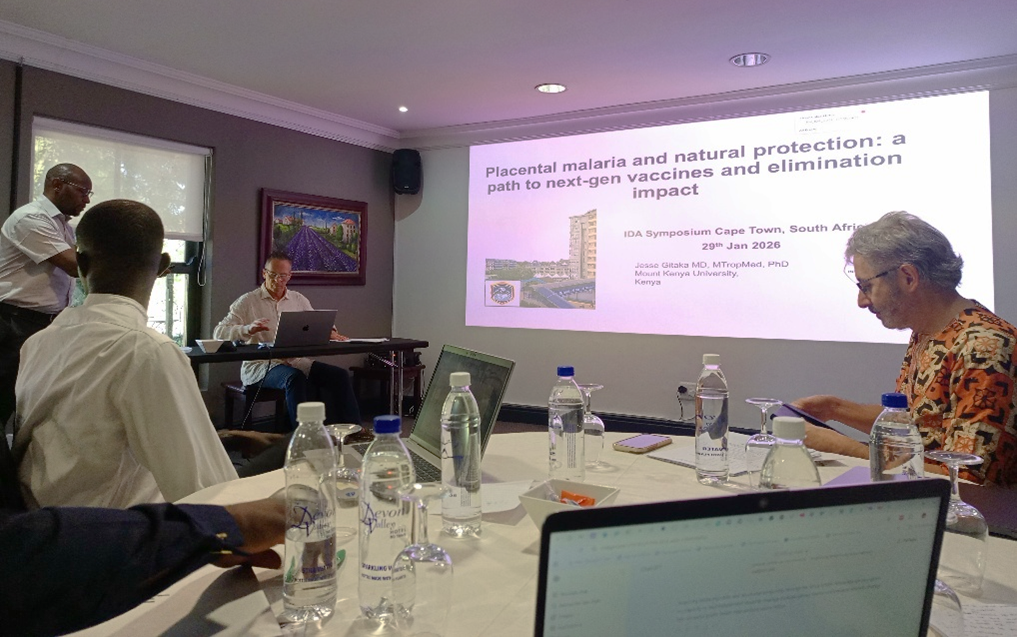
Professor Jesse Gitaka
The day opened with a keynote lecture by Professor Jesse Gitaka on active and passive immunisation strategies against malaria, with a strong emphasis on placental malaria. He presented the unique pathophysiology of placental infection and explained how immunity to placental malaria develops progressively across successive pregnancies. Central to his talk was VAR2CSA, a Plasmodium falciparum protein responsible for placental sequestration and a key target for vaccine development. Professor Gitaka showed that antibody breadth and levels against VAR2CSA increase with gravidity and across trimesters, reflecting the gradual acquisition of protection in multigravida women. Importantly, he emphasised that adverse outcomes such as low birth weight can occur even at low parasite densities, suggesting that immune-mediated mechanisms, rather than parasite load alone, contribute to placental pathology. Current vaccine candidates, such as PAMVAC and PRIMVAC, were discussed, along with their limited efficacy, underscoring the need to explore cellular immunity, T-cell signatures, and cytokine profiles to inform next-generation multistage vaccines.
“For prevention, we must think in layers, because malaria does not operate through a single pathway.”- Professor Jesse Gitka
Student oral presentations following the keynote addressed key challenges in malaria prevention from diverse perspectives. Courage Chandipwisa presented immunological strategies to improve the effectiveness of RTS,S and R21 malaria vaccines in Burkina Faso, emphasising the need to optimise vaccine-induced immune responses during implementation.
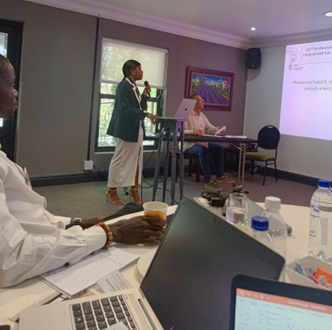
Student presenting their research during the oral session
Ide Armelle Djuidje Chatue examined the impact of Epstein-Barr virus reactivation on cytokine profiles in pregnant women with malaria in the West Region of Cameroon, highlighting the role of viral coinfections in shaping immune responses and disease severity.
Leonelle Andrea Nyoumoue assessed exposure to Anopheles mosquito bites and the incidence of post-vaccination malaria infection among children receiving RTS,S/AS01E in Cameroon, placing vaccine performance within a real-world epidemiological context.
Paulina Out explored sickle cell gene variants among individuals infected with Plasmodium falciparum in the Ashanti Region of Ghana, illustrating how genetic adaptations influence malaria susceptibility.
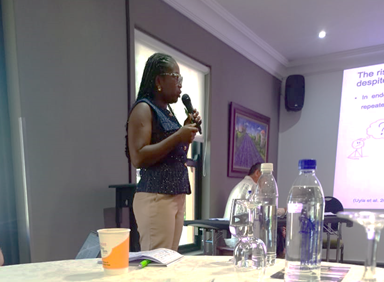
Student presenting their research during the oral session.
Marouba Cisse demonstrated how socioeconomic status shapes immune cell surface marker expression, complement activation, and cellular metabolism across populations, linking immunological variation to social determinants of health.
“Our data remind us that the immune system reflects not only pathogens, but also the conditions in which people live.” – Marouba Cisse
Each scientific session was followed by round-table discussions that promoted active interaction between participants and faculty. These discussions provided a platform to address critical questions on vaccine efficacy, study design, and the impact of environmental and social factors on immune responses.
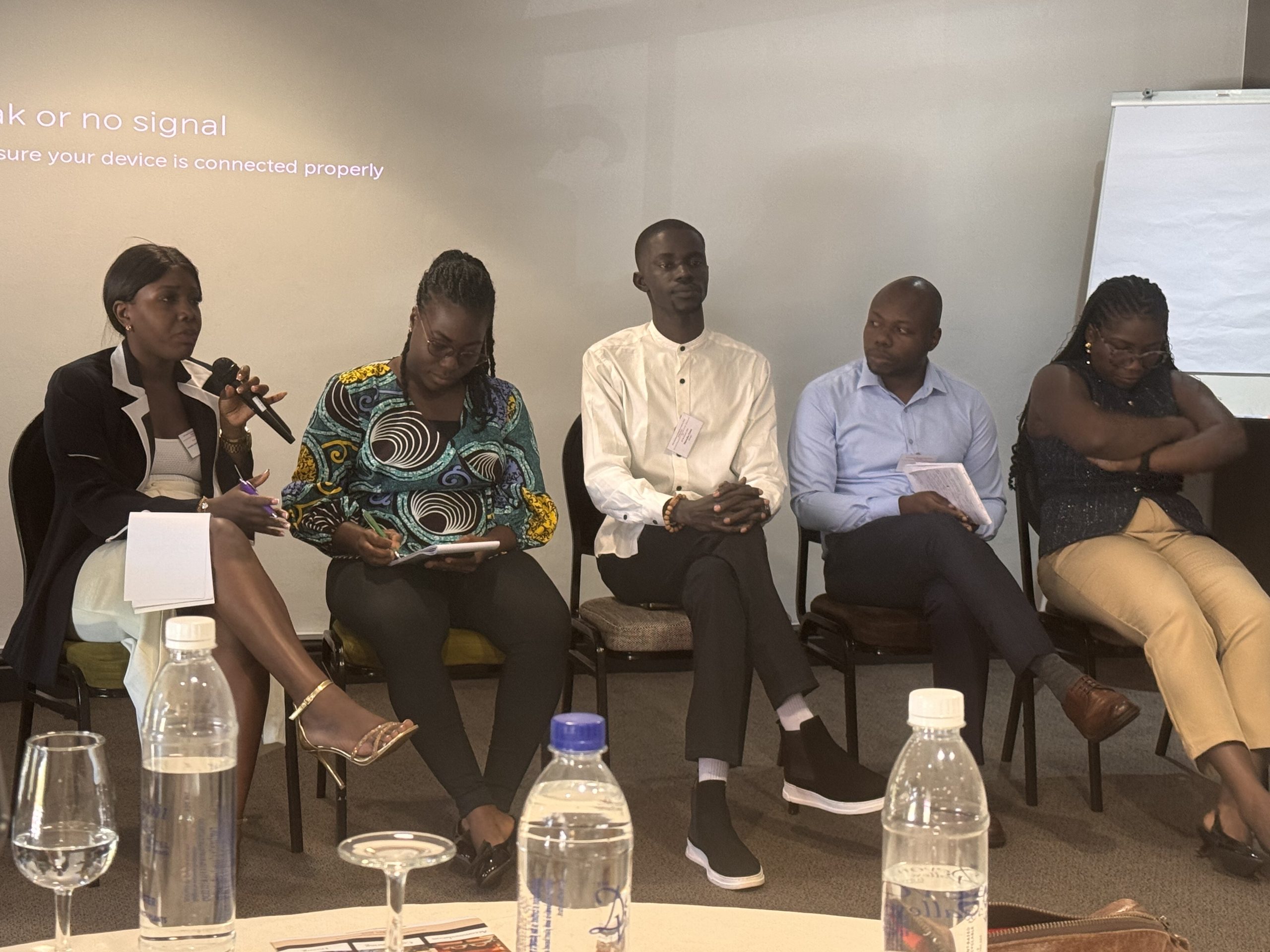
Student engaging in a round-table discussion
At the end of Day 4, a poster presentation session provided an important platform for interactive scientific exchange. Faculty members visited each poster, offering detailed, constructive feedback to strengthen study design, data interpretation, and overall scientific rigour. The session also focused on improving poster structure, visual clarity, and oral presentation skills, thereby helping participants communicate their research effectively to diverse scientific audiences.
Overall, Day 4 highlighted that malaria prevention cannot rely on a single approach but requires an integrated understanding of host immunity, pathogen diversity, transmission dynamics, and social context.
Personal Reflection
I approached Day 4 with a strong interest, as the focus on malaria prevention aligns closely with my scientific background. The sessions were intellectually engaging and encouraged me to reconsider several assumptions about malaria immunity, particularly in the context of pregnancy.
Professor Jesse Gitka’s lecture was especially impactful. I was struck by the evidence showing that low parasite density does not necessarily correspond to mild disease, as adverse outcomes such as low birth weight may still occur. This challenged the reliance on parasitological indicators alone and emphasised the importance of immune-mediated mechanisms and placental pathology in determining clinical outcomes.
The oral presentations further broadened my perspective. Studies on mosquito exposure and its impact on vaccine breakthrough infections, as well as the influence of socioeconomic status, highlighted that environmental and social conditions shape immune responses. These findings reinforced the idea that multiple, interconnected factors drive vaccine efficacy and disease severity.
The interactive discussions pushed me to think more critically about what constitutes success in malaria prevention.
The poster session was equally valuable, offering direct, constructive feedback from faculty on both research quality and scientific communication. This experience strengthened my ability to present data clearly and to engage with expert feedback critically.
Overall, Day 4 deepened my understanding of malaria prevention as a multifactorial challenge. I gained a clearer appreciation of its complexity, shaped by host immunity, coinfections, transmission intensity, and environmental and social contexts. This perspective will be valuable in guiding my future research.
Day 5 – Masego Tompa
Friday, 30 January – Community Engagement, Grant Writing and Award Ceremony
Community Engagement and Public Outreach
For many IDA scholars, the highlight of the day was the Community Engagement and Public Outreach–themed panel, featuring Dr Heather Jaspan alongside community representative Babalwa Mentjies. The session offered a powerful shift in perspective, grounding scientific research in lived experience and social responsibility. Babalwa brought a refreshing and much-needed sense of self-awareness to the discussion, challenging young scientists to reflect on how their work is experienced beyond the laboratory. She emphasised the importance of meaningful communication between scientists and the communities they study, cautioning against research practices that extract samples without returning to share knowledge or outcomes- whether results are positive or negative. Her message showed that trust, transparency, and accountability are as critical to science as experimental rigour.
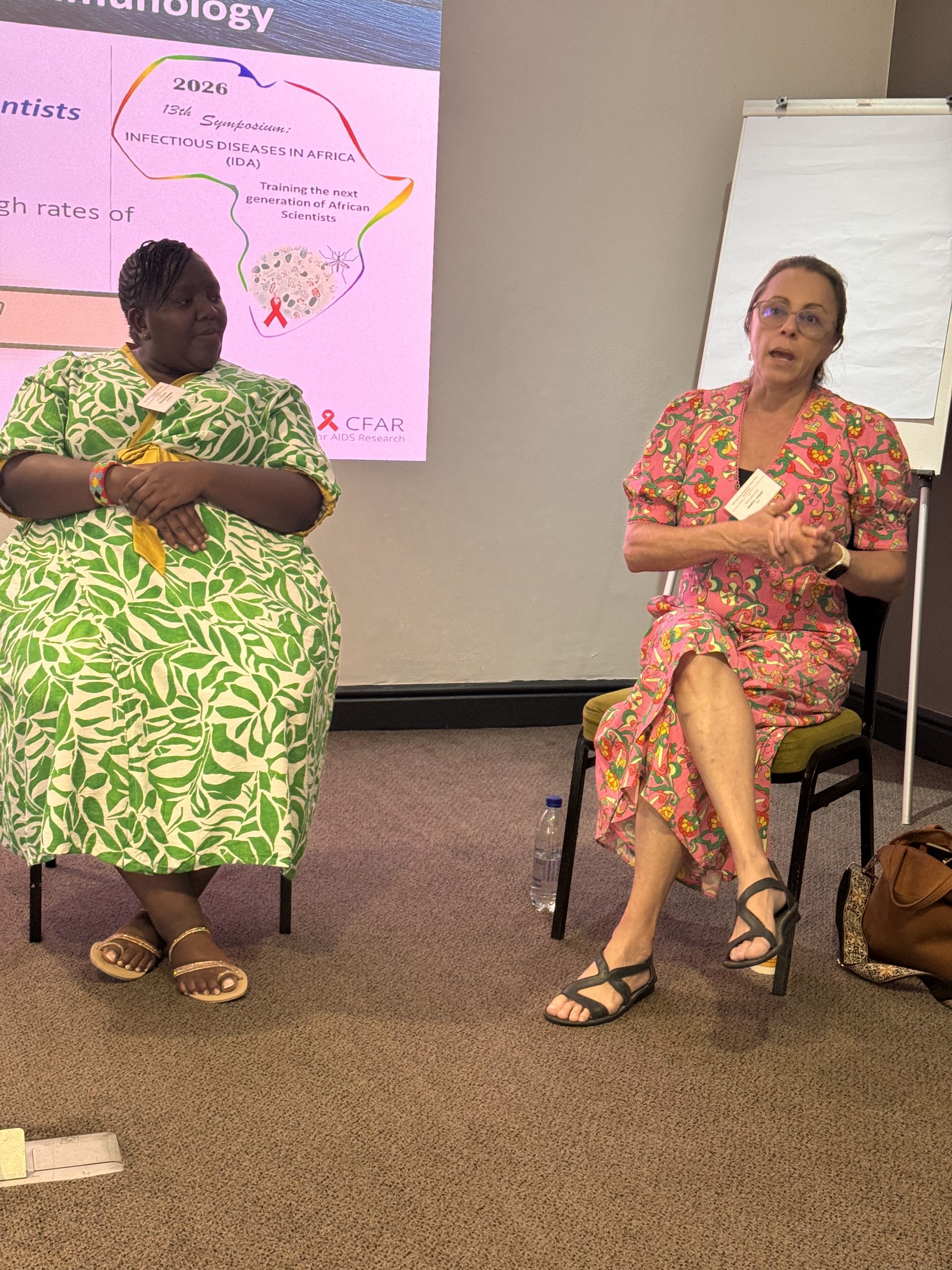
Babalwa Mentjies and Dr Heather Jaspan
Babalwa also encouraged scholars to take an active role in science advocacy, urging them to speak openly about their work on platforms such as TikTok, Instagram, and other social media channels. By doing so, young researchers can help demystify science, broaden its reach, and inspire the next generation.
“These young girls and boys need role models, and you are their role models—so don’t hide yourselves in the lab.”- Babalwa Mentjies
Science Communication Skills: Grant Writing
Four grant-writing teams presented their research concepts to a panel of experienced facilitators, each proposing a grant idea built around a key knowledge gap identified from earlier faculty lectures in the programme. The proposals focused on HIV, Malaria, Measles, HCMV or TB, and reflected each team’s ability to translate scientific discussions and collaborations into fundable research questions.
The grant review panel, comprised of Guido Ferrari, Clive Gray, Heather Jaspan, Kondwani Jambo, and Jesse Gitaka, and was chaired by Michael Betts. Panel members evaluated each grant proposal in depth, offering IDA scholars a rare, behind-the-scenes look at how funding decisions are shaped during real grant review discussions. Proposals were assessed using the NIH 9-point rating scale, with 1 indicating an exceptional application and 9 indicating a poor one.
During the live panel discussions, reviewers systematically assessed the significance, innovation, approach, and research environment of each proposal. This real-time evaluation demonstrated how multiple criteria are integrated to produce an overall score, highlighting the rigour and nuance of the grant review process.
The panel’s detailed feedback allowed each team to identify strengths and areas for improvement, providing valuable insight into how to refine proposals to enhance their competitiveness for funding. Several recurring themes emerged, including the importance of clearly defined hypotheses, feasibility, and alignment between study aims and methodology.
The following grant proposal titles were presented:
- Early antiretroviral therapy and the preservation of long-term measles vaccine–induced immunity in children living with HIV.
- Identifying host immune signatures conferring control of Mycobacterium tuberculosis infection.
- Interaction between HCMV genetic diversity and decidual CD8+ T cell/ dNK cell functionality.
- Liver-targeted LNP-mRNA delivery of a multi-antibody anti-sporozoite cocktail targeting CSP, CelTOS and LISP1.
The top-scoring proposal was “Early antiretroviral therapy and the preservation of long-term measles vaccine–induced immunity in children living with HIV,” led by team leader Zipei Wang. The proposal received an overall score of 4–5.
Award Ceremony
The awards ceremony provided a fitting and memorable finale to the 13th IDA, celebrating a new generation of exceptional young researchers whose work, passion, and charisma stood out throughout the conference. One by one, participants took to the stage to proudly receive their certificates of attendance, presented by Guido Ferrari and Clive Gray, marking the close of an inspiring week of scientific exchange.
A highlight of the evening was the presentation of the Mike Betts Curiosity Award, a scholarship supporting an outstanding student to visit the Jambo Lab, led by Prof Kondwani Jambo, to gain hands-on experience in flow cytometry. This prestigious award was presented to Morouba Cisse.
The Dr Rick Koup Scholarship Award, recognising top performance during the 13th IDA workshop, was awarded to Zipei Wang for her exceptional engagement and excellence.
Recognition also extended to scientific communication, with the Best Poster Award going to Tsholofelo Tshuma, and the Best Oral Presentation Award to Francine Ndebame Faye.
Previous BIG-We participants, Mali Mlaba and Afrah Khairallah, were recognised and awarded for their participation in the 13th IDA BIG-We grant-writing challenge. In addition, four scholars, Morouba Cissé, Francine Ndebame Faye, Zipei Wang, and Masego Tompa, were selected to participate in BIG-WE at the upcoming 14th IDA.
As the formal proceedings ended, the evening seamlessly transitioned into celebration. Guests were serenaded by the beautiful voice of Babalwa Mentjies, setting the tone for an atmosphere filled with music, laughter, and dancing. Scholars and faculty mingled late into the night, sharing meaningful conversations, forging new connections, and looking ahead with optimism to the future of science and collaboration.
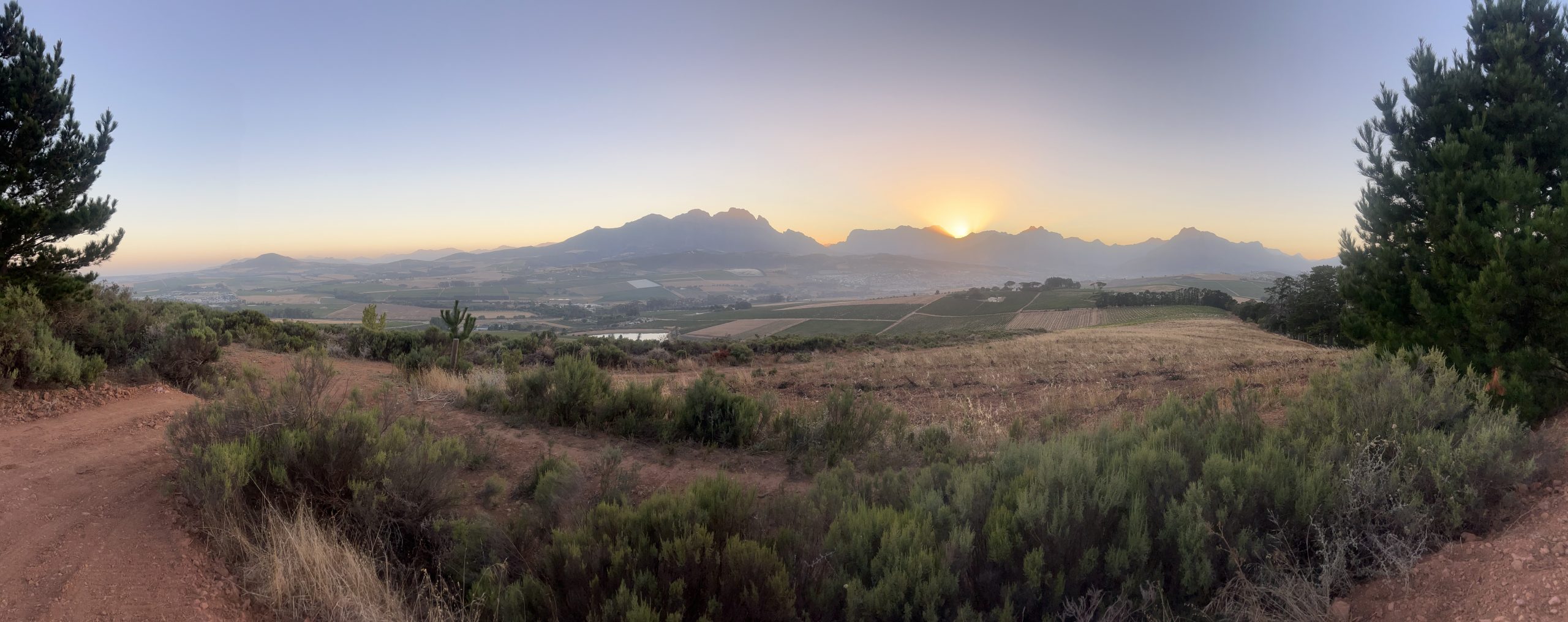
Sunrise at 13th IDA Venue, Devon Valley Hotel – Stellenbosch Winelands