

September 2026
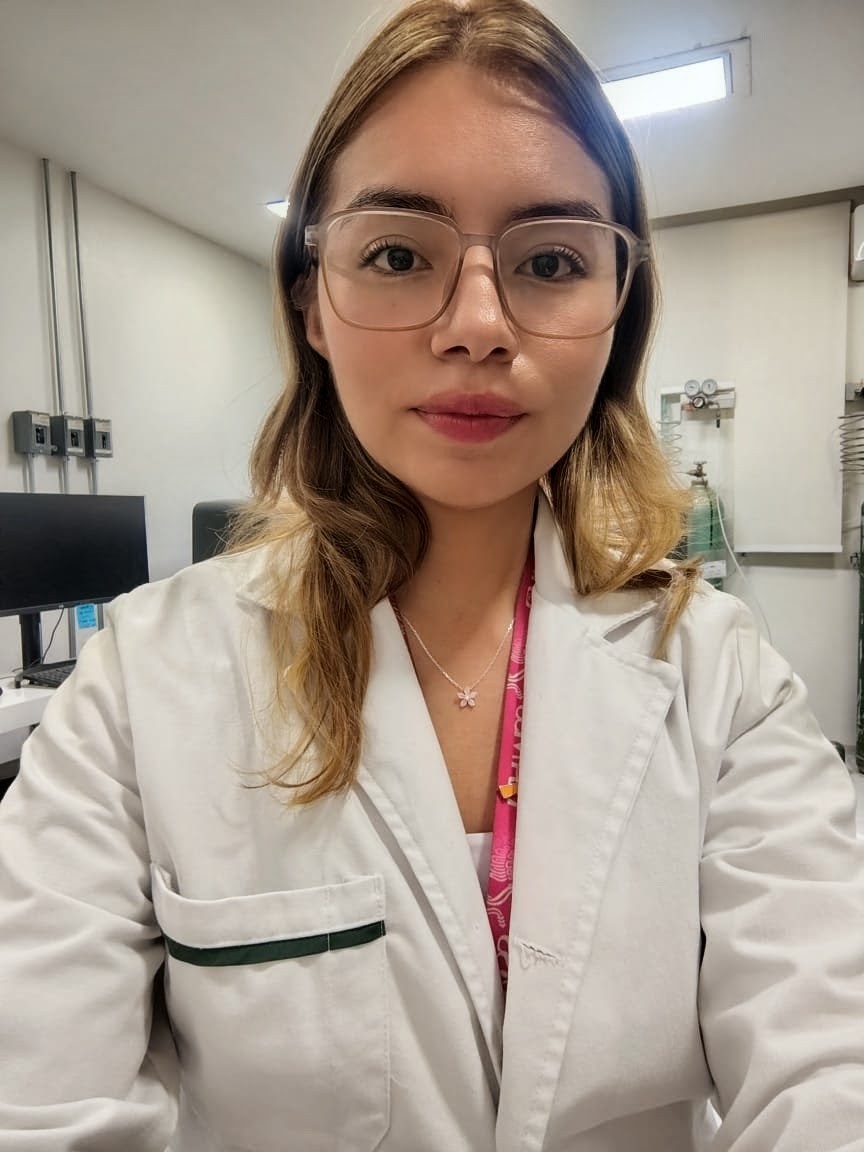 Gabriela Zamora Herrera has been an ambassador since 2023, and we highlighted her as Ambassador of the Month in August 2023. She is a post-graduate student at the Laboratory of Oncoimmunology and Cytomics of Childhood Cancer, CIBIOR-IMSS, in Atlixco, Puebla, Mexico, working under Professor Rosana Pelayo.
Gabriela has been a great addition to the team, contributing news, pre-course content, and interviews with prominent immunologists. She recently interviewed Professor Clive Gray (Immunopaedia Founder and head of the Reproductive Immunology Research Consortium in Africa, Stellenbosch University) following his Royal Society Africa Prize win.
We caught up with Gabriela to see how her scientific career has progressed.
Read her previous interview – Ambassador of the Month – 2023
Your most recent paper describes leukaemia cells using a kind of “molecular stealth” to hide from detection and persist as residual disease. Can you tell us more about this finding and what it means for how we understand residual disease?
Our publication on “molecular stealth” stems from longitudinal observations of childhood leukaemia cohorts viewed through various lenses. We find the tumour microenvironment fascinating and discovered that malignant cells exhibiting a “molecular stealth” phenotype – characterized by low CD66c expression – reside in a specialized inflammatory niche in the bone marrow with which they actively interact, and such crosstalk appears to be linked to the response to treatment. This finding supported our hypotheses: a patient’s prognosis depends not only on the elimination of tumour cells but also on the behaviour of the bone marrow microenvironment and its immunological context.
A lot of your work looks at why families in remote parts of Mexico abandon treatment, alongside the molecular detail of why leukaemia cells survive. What pulled you toward that side of the problem?
One of the aspects I value most about our research is its commitment to a socially oriented science that always places the patient at the very core. In Mexico, leukaemia affects vulnerable regions with disproportionate severity, and for many families, the distance to specialized care centres is a genuine obstacle to diagnosis and treatment. We work not only to help bridge this gap, but also to provide policymakers with evidence regarding the adverse biological and clinical consequences of delayed or interrupted care. Evidence-based medicine relies on high-impact science.
Thank you for your interview with Prof Clive Gray. Is there something he said that’s stayed with you?
Professor Gray is a model scientist. Beyond his exceptional contributions to immunology, the social impact of his work is truly inspiring. It was a great honour to interview him. Our conversation made me realise that an academic career is built upon the decisions we make along the way. When he created Immunopaedia, the goal was to bridge the communication gap between scientists and clinicians and he succeeded remarkably. Moreover, the platform has been transformed into a high-level educational tool for the Global South. Collaboration is fundamental to progress, and the bridges that enable us to work together are crucial.
You’ve now interviewed a range of immunologists across career stages and continents. What has that experience been like for you?
These wonderful interviews have provided an opportunity to listen to both established voices who have made huge contributions and those just starting out with tremendous momentum who are already driving change in the field. The experience of conducting these interviews has revealed to me how exciting immunology is, regardless of whether one’s career in the field is long or short.
If a first-year student in Mexico asked you why immunology instead of any other field, what’s your honest answer now that you’re further in your career?
Immunology is one of the most cross-cutting disciplines; in public health, there is practically no area that does not depend on immunology, nor one that has not benefited from immunological research and innovation. Studying immunology has been pivotal for humanity and has saved millions of lives. Furthermore, few fields combine basic research with such direct application: tools derived from immunology, such as antibodies, allow us to continue unravelling the mysteries of the human body. The immune system is the body’s army, yet it can also be the cause of disease.
Can you share a moment of unexpected joy or surprise in your scientific career over the past three years that has stayed with you?
A few years ago, our group, led by Professor Rosana Pelayo, launched a national project to reduce early mortality from leukaemia. Today, the evidence shows that we are achieving this goal. The impact of our actionable research has been such that it now constitutes a national public health strategy, based on a hybrid model that combines clinical care with cutting-edge science to drive social impact. For a scientist in training, the opportunity to change people’s lives through one’s work is one of the greatest joys and a reason to never stop.
May we please have your most recent publications?
- Zamora-Herrera G, Romo-Rodríguez R, López-Blanco JA, Alfaro-Hernández L, Casique-Aguirre D, Núñez-Enriquez JC, Schnoor M, Ramírez-Ramírez D, Pelayo R. Low-Intensity CD66c Expression Orchestrates an Immunosuppressive Niche Promoting Residual Disease in Pediatric ProB Acute Lymphoblastic Leukemia. Cells. 2026; 15(5):437. https://doi.org/10.3390/cells15050437
- Ramírez-Ramírez, D., Zamora-Herrera, G., Romo-Rodríguez, R., Cuéllar Mendoza, M., Ayala-Contreras, K., López Aguilar, E., Zapata-Tarrés, M., & Pelayo, R. (2026). Taking High-Tech to the Field: Leukemia Diagnosis in Pediatric Mexican Patients from Vulnerable and Remote Regions. Diagnostics, 16(3), 411. https://doi.org/10.3390/diagnostics16030411
Watch Gabriela’s interview with Prof Clive Gray – Clive Gray – Immunologist of the Month 2026
August 2026
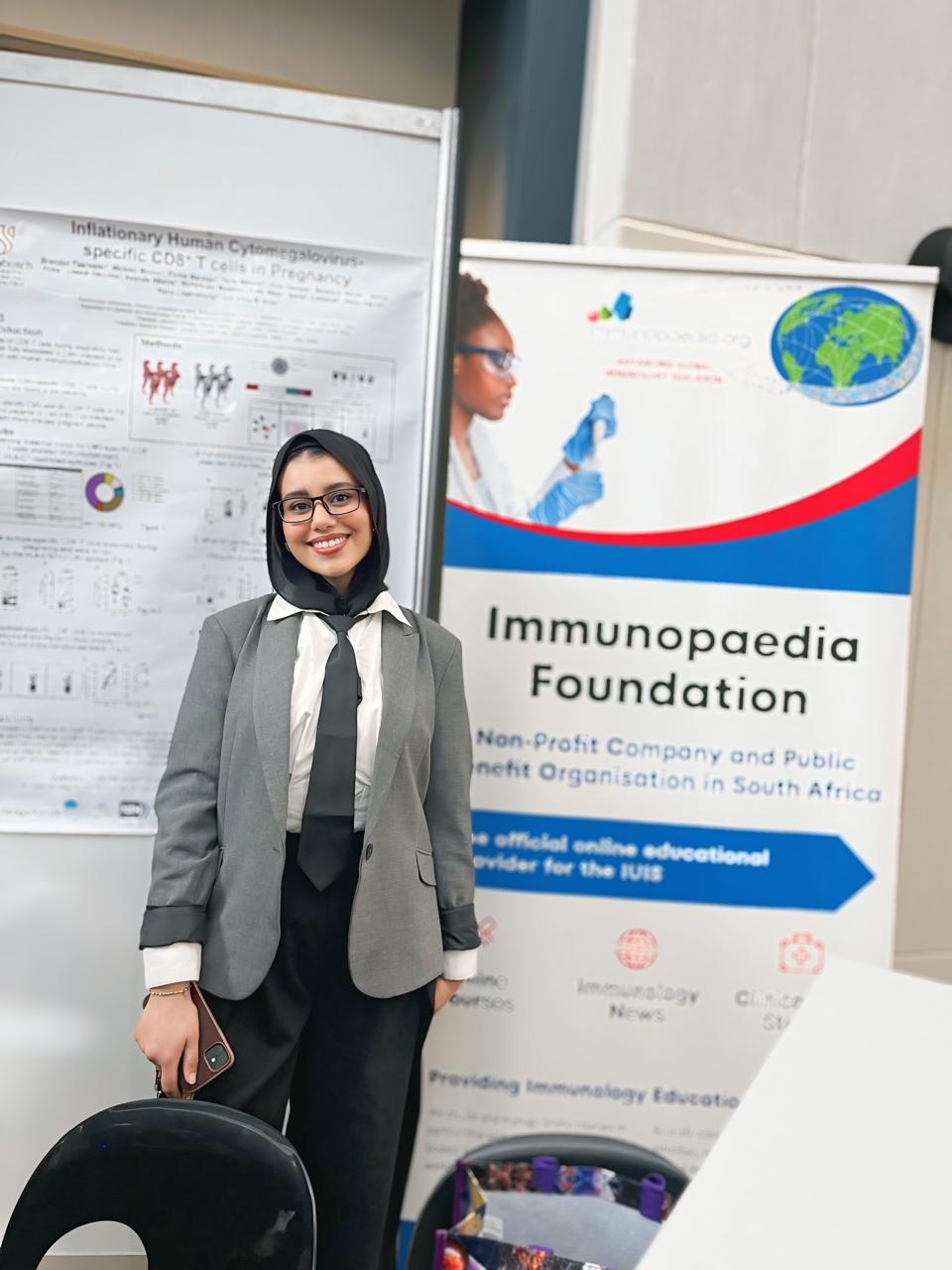 Salma Sohbi has been interested in both medicine and computer science since high-school, and she chose to pursue a Bachelor’s degree in Mathematics and Computer Science at the Faculty of Sciences, Ain Chock, Morocco. During her undergraduate studies, she strengthened her computational and software development skills, including work on automated web application analysis tools.
Later, Salma discovered the Master’s programme in Digital Engineering for Healthcare Professions at ENSAM, Hassan II University of Casablanca, Morocco. This was the opportunity to combine her passion for technology with her long-standing interest in medicine. Her work in artificial intelligence (AI), software development and digital health is supervised by Professor Ghita Zaz.
Through this multidisciplinary training, Salma has had the opportunity not only to develop technical solutions, but also to gain direct exposure to healthcare environments. During her biomedical engineering experience at the AKDITAL Group’s International Oncology Centre, she observed medical procedures and interacted with healthcare professionals to better understand the practical challenges they face. She has since led several applied AI projects, including developing an intelligent mobile application that uses computer vision to evaluate dental preparations at the Faculty of Dental Medicine in Casablanca.
Salma joined the Immunopaedia team through a BRAINS (MoBility for Research and African Integration through Health Sciences) scholarship, which is designed to enhance research and academic mobility across Africa. She is currently based at Stellenbosch University in the RIRCA (Reproductive Immunology Research Consortium in Africa) unit, led by Professor Clive Gray.
Salma is leading the technical development of an interactive, AI-driven chatbot for Immunopaedia. By integrating Natural Language Processing and Retrieval-Augmented Generation into educational technology, her work aims to provide students, researchers and healthcare professionals with a more intelligent and accessible way to explore complex immunology concepts.
Tell us about your Immunopaedia AI chatbot project.
My project is an AI-powered chatbot developed for Immunopaedia to make immunology content easier to access and understand. Immunopaedia already has a large amount of high-quality educational content, but sometimes students or healthcare professionals need to search through several pages to find the information they need. The chatbot allows users to ask questions naturally and receive answers based on Immunopaedia resources.
I developed it using technologies such as Natural Language Processing, large language models and Retrieval-Augmented Generation, or RAG. One important part of my project is reliability. Instead of allowing the AI to answer only from its general knowledge, the system retrieves relevant information from Immunopaedia first and uses it to generate the answer. The objective is not to replace Immunopaedia or teachers, but to create a more interactive way to learn immunology.
From a software engineering perspective, what has been the biggest challenge in building an AI tool specifically tailored for medical/science education compared to general-purpose AI?
The biggest challenge has been reliability. With a general-purpose AI system, an answer can sound very confident even when it is not completely correct. In medical and scientific education, this can be a serious problem. So I had to design the system differently. I implemented retrieval from trusted Immunopaedia content, source references, answer validation and medical-safety mechanisms.
Another challenge was finding the right balance between accuracy and usability. The chatbot needs to give scientifically grounded answers, but they also need to be understandable for students. So the project is not only about building an AI model. It is about building a complete system around the AI to make its answers safer and more useful.
Working at RIRCA exposes you to interdisciplinary research. How has interacting with immunologists in the lab influenced your AI design process?
My background is mainly in AI, software development, and digital health, so working with immunologists helped me understand how scientific experts approach information differently from software engineers.
They made me pay much more attention to terminology, scientific accuracy, sources, and how complex concepts should be explained. Being in this interdisciplinary environment also reminded me why I chose this field. Since high school, I wanted to work with both medicine and computer science. Now I can interact with scientists and healthcare professionals, understand their needs and transform some of those needs into technical solutions.
How do you see AI helping in education in the future?
I think AI can make education much more personalised and interactive. Instead of every student receiving exactly the same learning experience, AI can adapt explanations to their level, language and learning needs.
For example, one student may prefer a simple explanation, another may need a diagram, and another may want a quiz to test their understanding. AI can provide all of these experiences very quickly. But I don’t think AI should replace teachers. I see it more as an assistant that gives students additional support and helps educators make knowledge more accessible.
How do you keep AI ethical and unbiased?
I think the first step is accepting that AI is not automatically neutral or correct. We need to understand where the information comes from, evaluate the system regularly and clearly communicate its limitations.
In my chatbot, I try to ground the answers in trusted educational sources rather than relying solely on the general knowledge of the language model. I also include safety mechanisms, particularly for medical questions, because an educational chatbot should not present itself as a doctor or provide personalised diagnosis or treatment.
Human evaluation is also very important. AI should support expert knowledge, not replace expert judgment.
Many people see AI as a threat – what do you say to someone who thinks this way?
I understand why people are concerned, because AI is developing very quickly. But I think AI itself is a tool. What matters is how we design it and how we use it.
For example, a doctor can spend a lot of time searching for information or doing repetitive administrative work. If AI can support some of these tasks, the doctor can have more time for decisions and interactions that require human expertise.
In education, the same idea applies. AI can help students access information and practise, but teachers still provide experience, judgment and human interaction. So I don’t see AI as replacing humans. I see the greatest opportunity in humans and AI working together.
What advice would you give to other computational or tech students who are interested in applying their skills to global health and biology?
I would tell them not to be afraid if they don’t have a strong biology or medical background initially.
I am a good example of this. Since high school, I have loved both medicine and computer science, but I didn’t know there was a field where I could combine them. So I started with a Bachelor’s degree in Mathematics and Computer Science. Later, when I discovered Digital Engineering for Healthcare Professions, I realised that I could combine both interests.
Since then, I have been able to observe healthcare environments, including operating rooms, speak with healthcare professionals, work on an AI application for dental preparation evaluation and now develop an AI chatbot for immunology education.
My advice would therefore be: build strong technical skills, but also go into the healthcare environment. Talk to doctors, researchers, biomedical scientists and patients when appropriate. Don’t develop technology simply because it’s interesting. Try to understand a real problem first and then ask how your skills can help solve it.
When you are coding or debugging, what is your go-to soundtrack or routine to stay focused?
When I’m debugging, I usually prefer a quiet environment because I need to concentrate, especially when the problem is difficult. I normally start by breaking the problem into smaller parts and testing each part separately. And of course, coffee helps!
Once everything finally works, the solution is probably my favourite ‘soundtrack’.
What is your favourite thing about Cape Town?
My favourite thing about Cape Town is probably the combination of nature, culture and science.
You can be working in a research environment during the day and then see mountains, the ocean and amazing landscapes just a short distance away. I also really enjoyed meeting people from different backgrounds. Coming from Morocco and working here in South Africa has given me a different perspective, both personally and professionally.
What is your favourite South African food?
I haven’t had the chance to try much South African food yet, but I would really like to discover more before I leave.
July 2026
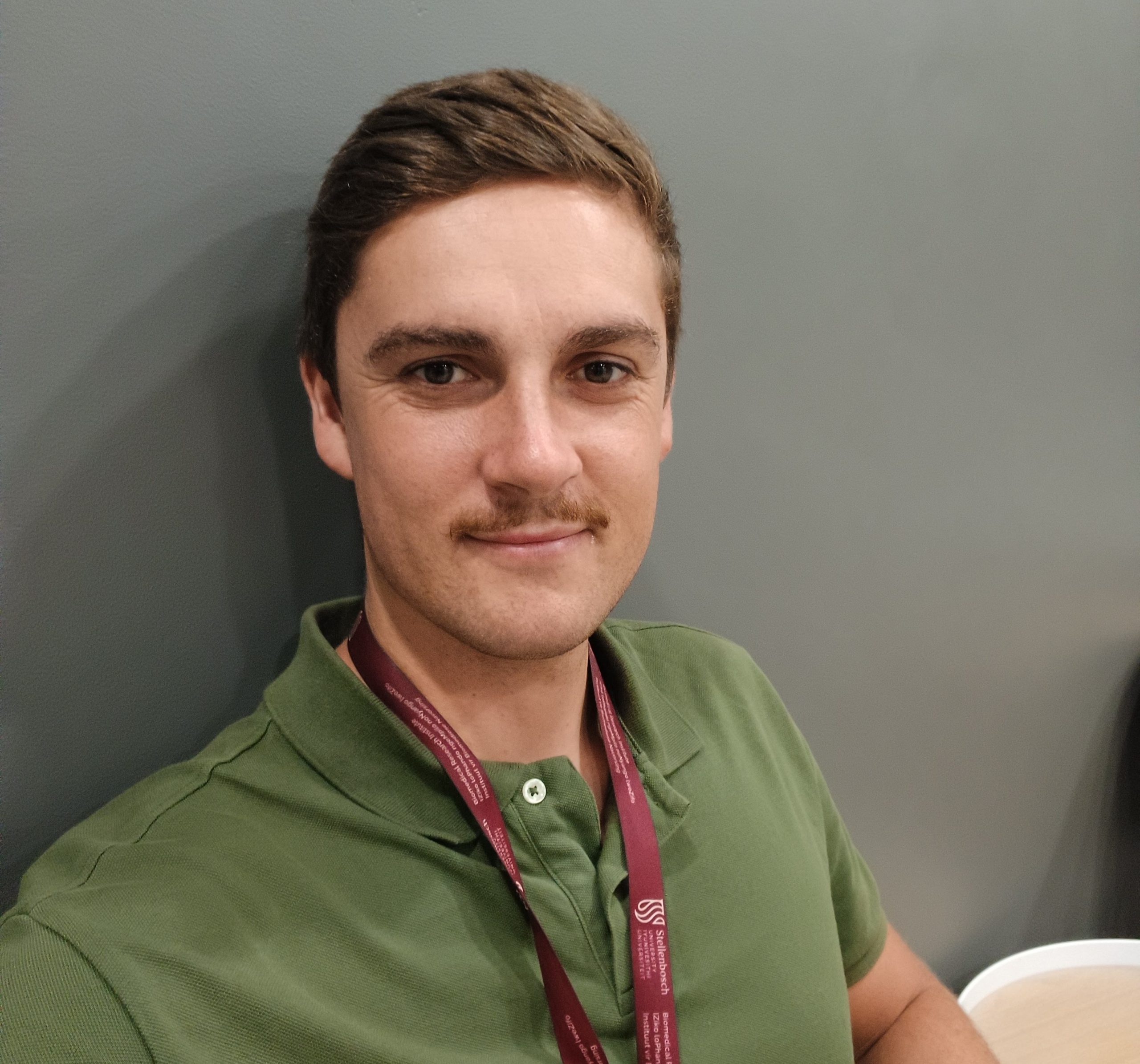 Armin O’Connor is a Research Assistant in the LoxtonLab at Stellenbosch University, where he contributes to research focused on Tuberculosis (TB) immunology and host-directed therapies. He completed his MSc in Molecular Biology & Human Genetics at Stellenbosch University and has developed a strong interest in understanding how the immune system can be harnessed to improve outcomes in infectious diseases.
His research interests include flow cytometry, host-directed therapies, and B cell immunology in TB, with a particular focus on translating complex immunological questions into meaningful experimental approaches. In the laboratory, Armin is involved in a range of immunology techniques and plays an active role in training postgraduate students while supporting research activities within the group. He is currently co-supervising his first master’s student, an experience that has strengthened his passion for mentorship and scientific collaboration.
Beyond the bench, Armin is interested in the broader impact of biomedical research and aspires to build a career that bridges science, strategy, and innovation within the biotechnology and healthcare sectors. He is motivated by the idea that strong scientific thinking can contribute not only to new discoveries but also to better decisions that ultimately improve public health outcomes. Through both research and mentorship, he hopes to make a meaningful contribution to advancing immunology and translating scientific knowledge into real-world impact.
Armin recently joined the Immunopaedia team, helping us transfer educational content on the Immunopaedia platform. Thank you, Armin.
We would love to hear more about your role as a Research Assistant. Can you describe a general day for us?
As a Research Assistant in the Loxton Lab, my role is quite diverse, so no two days are the same. A large part of my job involves training postgraduate students and new lab members in a range of laboratory techniques, including tissue culture, flow cytometry, PBMC isolation and stimulation, and B cell isolation. Alongside training, I manage several of my own research projects, which allows me to continue developing my scientific and research skills. I’m also responsible for overseeing the laboratory’s inventory, ensuring we have the necessary reagents and consumables available, and coordinating orders when supplies need to be replenished. In addition to the laboratory work, I regularly participate in journal clubs, weekly seminars, and research meetings to stay up to date with the latest developments and contribute to scientific discussions. I also assist with writing manuscripts to help publish the research generated within the Loxton Lab. Overall, it’s a role that combines hands-on research, mentoring, laboratory management, and scientific communication.
There are many areas of science and immunology is quite broad and complex. What drew you to TB immunology in particular?
I’ve always been fascinated by understanding how things work, especially the underlying processes and mechanisms that drive complex systems. When I was first introduced to immunology during my undergraduate studies, I was immediately drawn to the complexity of the immune system and the challenge of understanding how its many components interact to protect the body. As I learned more, I realised I could combine my curiosity with the opportunity to make a meaningful difference in people’s lives. That combination of scientific discovery and real-world impact is what ultimately drew me to immunology as a career. Within immunology, I became particularly interested in tuberculosis because of its significant burden in South Africa. Seeing the effects of the disease, both directly and in the broader community, reinforced the importance of TB research. Knowing that my work has the potential to contribute, even in a small way, to improving our understanding of the disease and developing better interventions provides me with a strong sense of purpose and motivation.
How is the research you are involved in impacting TB public health? Particularly in South Africa, where it remains a huge problem.
I think one of the most important contributions of the Loxton Lab is that we investigate aspects of TB immunology that are still not fully understood. Rather than focusing only on well-established areas, we explore emerging fields such as host-directed therapies and the role of B cells in tuberculosis, with the aim of uncovering new insights into how the immune system responds to infection. Every new discovery, even if it seems small, adds to our collective understanding of TB. By improving our understanding of how Mycobacterium tuberculosis interacts with the human immune system, we help build a stronger scientific foundation that other researchers can use to develop new hypotheses, foster collaborations, and advance innovative approaches to treatment. While research is often a gradual process, today’s findings can become the basis for tomorrow’s breakthroughs. It’s exciting to think that the work we do could one day contribute to the development of improved therapies, more effective vaccines, or the identification of new drug targets that ultimately help reduce the burden of tuberculosis, particularly in South Africa where the disease remains a major public health challenge.
What specifically stood out about Immunopaedia that made you want to join our team?
What initially attracted me to Immunopaedia was the opportunity to use my background in TB immunology to contribute to a platform that reaches students, researchers, and healthcare professionals across Africa; a continent where tuberculosis remains a major public health challenge. I wanted to play a small role in improving access to high-quality immunology education, particularly in an area where I have developed expertise. However, being part of Immunopaedia has exceeded my expectations. It has broadened my perspective far beyond tuberculosis and shown me just how diverse and globally relevant immunology is. Through the wide range of topics covered, I’ve gained a much deeper appreciation for how the immune system is involved in many different diseases, each presenting unique scientific and clinical challenges. It’s also exposed me to an international network of experts and potential future collaborators, which has been incredibly motivating. Overall, Immunopaedia has not only given me the opportunity to contribute my own knowledge but has also significantly expanded my understanding of immunology and reinforced my passion for continuous learning.
Based on your experience of mentoring. What advice would you give someone who wants to study/research immunology?
If I could give one piece of advice, it would be to stay curious. Immunology is a complex and constantly evolving field, and genuine curiosity is what drives you to ask better questions, challenge existing ideas, and keep learning. I believe curiosity is what sustains you through the difficult moments in research. Hard work is essential, but curiosity is what keeps your mind engaged long after you’ve left the laboratory. It’s what has you thinking about an experiment on your drive home or suddenly finding a solution to a problem you’ve been struggling with for days. Of course, curiosity alone isn’t enough; you also need discipline and perseverance to turn ideas into meaningful research. But when you combine genuine curiosity with consistent hard work, you put yourself in the best position to make discoveries and have a lasting impact in science.
What has been a moment of unexpected joy or surprise in your scientific career that has stayed with you?
One of the most memorable moments in my scientific career was realising just how much insight we can gain from studying things that are invisible to the naked eye. When I first started working in a research laboratory, I was amazed by the technologies available and the incredible level of detail they revealed about biological and immunological processes. What continues to inspire me is how far science has come. Advances in technology have allowed us to explore the immune system in ways that would have seemed impossible only a few decades ago. It’s a reminder of what human curiosity and innovation can achieve. At the same time, I think one of the greatest challenges in science is identifying the questions we don’t yet know to ask. Once we uncover those unknowns, technology often evolves to help us answer them. To me, that’s one of the most exciting aspects of research; it constantly pushes the boundaries of what we know and what’s possible.
Where do you see yourself in ten years?
I love science, but I’m equally interested in how scientific discoveries become products, treatments, and healthcare solutions that improve people’s lives. Over the next ten years, I want to grow from being someone who generates scientific data to someone who helps shape scientific direction and strategy. I hope to lead projects, work across scientific and business teams, and make decisions that influence where research investments are made. I also want to continue mentoring younger scientists because I believe developing people is just as important as developing new technologies.
If not immunology, then what? What else would you have chosen?
If it wasn’t immunology, I think I would have chosen biotechnology or molecular biology with a stronger focus on innovation and the commercial side of science. I’ve always been fascinated not only by how biology works, but also by how scientific discoveries become real-world diagnostics, treatments, or technologies that improve patient care. What excites me most is bridging the gap between research and impact. I enjoy the science itself, but I’m equally interested in the bigger picture: how discoveries are developed, evaluated, and ultimately translated into solutions that benefit people. That’s why biotechnology would have been a natural alternative for me.
Favourite music to blast while you’re in the lab?
To be honest, I don’t usually listen to music in the lab. I find that being fully immersed in an experiment is therapeutic in itself. The laboratory is one of the few places where I can work without constant distractions, and I really value that sense of stillness. While I’m running assays or carrying out experiments, I often spend time thinking- not just about the science, but also reflecting on my personal life and broader ideas. In a world that’s increasingly filled with notifications, emails, and digital distractions, the lab gives me a rare opportunity to slow down, focus, and think deeply. I think that quiet space is just as valuable to me as the research itself.
 June 2026
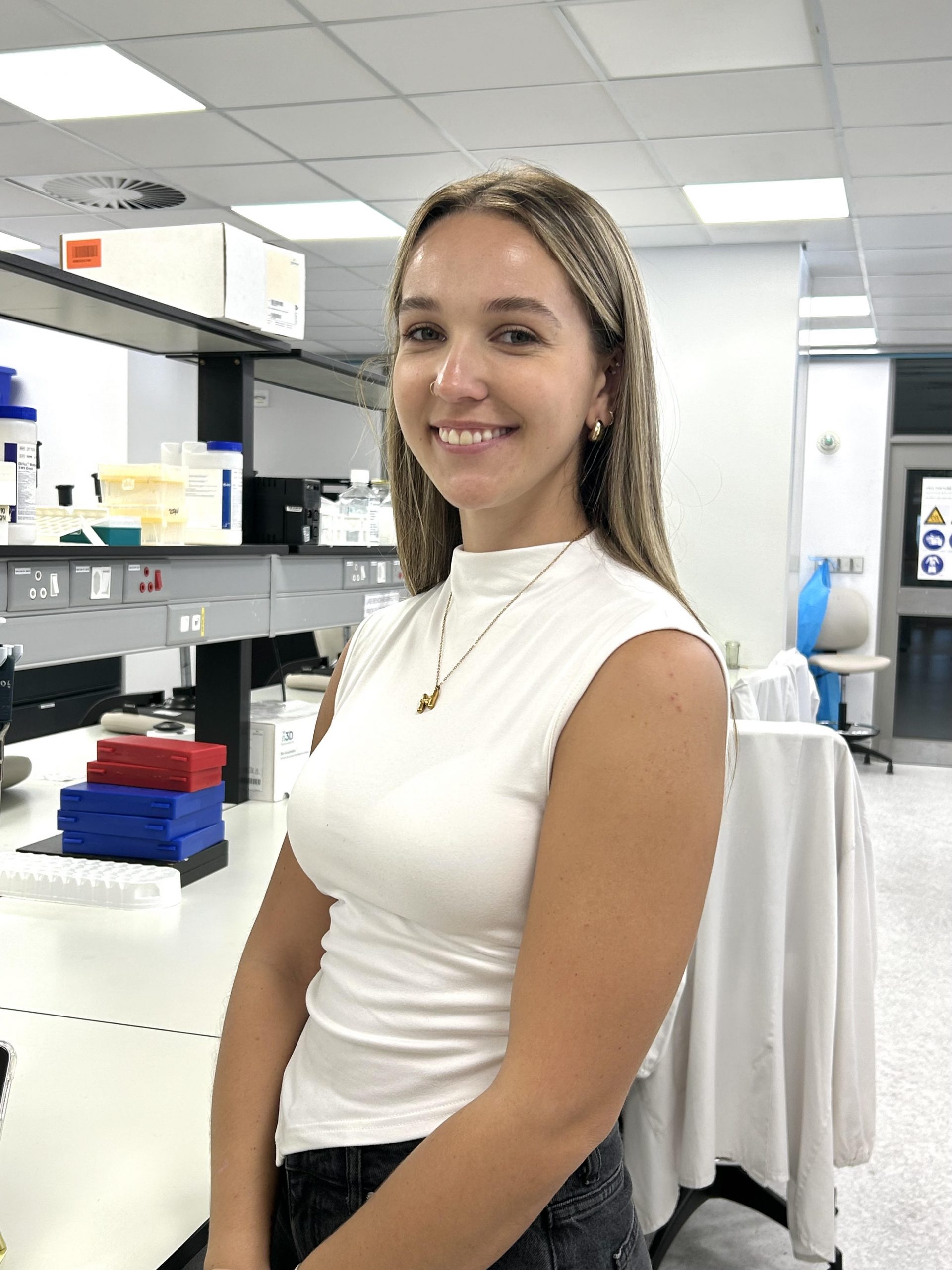
Megan Burger completed a BHSc Honours degree in Medical Laboratory Science at Nelson Mandela University in Port Elizabeth, where she developed a strong foundation in the field. Following her studies, she worked as a Medical Technologist in a tuberculosis (TB) diagnostic laboratory, gaining hands-on experience in clinical pathology and the laboratory diagnosis of infectious diseases. This role sparked a deeper interest in the immunological mechanisms underlying TB and challenges associated with its diagnosis and management.
Driven by this interest, Megan pursued a master’s degree focused on TB immunology and the identification of host biomarkers for TB. Her research explored immune responses associated with TB disease and contributed to efforts to improve diagnostic and prognostic tools for TB. Through her postgraduate studies, she gained experience in immunological research techniques and developed a keen interest in translational research that bridges laboratory discovery with clinical applications.
Megan currently works as a Technical Officer in the Division of Immunology at Stellenbosch University, Cape Town, where she supports a range of immunology research projects through laboratory-based work and technical expertise. Her role involves contributing to studies that seek to advance understanding of immune responses in disease. Her combined experience in both diagnostic and research settings continues to shape her passion for laboratory science and its potential to improve global health outcomes.
During her time at Stellenbosch University, Megan was introduced to the Immunopaedia community by fellow ambassadors and team members. Through her involvement, she has contributed to the transfer of educational content on the Immunopaedia platform, supporting the our mission to make high-quality immunology education accessible to students and scientists worldwide.
We would love to hear more about your research. What projects are you currently working on and how do they impact the field?
Rather than focusing on a simple project, my role as a technical officer allows me to contribute to multiple projects within the Division of Immunology. My role is largely laboratory-based and involves sample processing, laboratory experiments, quality control and ensuring the laboratory work runs smoothly. This gives me exposure to a wide range of immunological research questions and techniques.
There are many areas of science and immunology is quite broad and complex. What inspired you to choose this particular branch of science over others?
What drew me to immunology is that it touches almost every area of health and disease. The immune system is incredibly complex and there is always something new to learn. I enjoy working in a field that is constantly evolving and has a direct impact on human health.
Could you tell us about your role as a Technical Officer at the Division of Immunology, Stellenbosch University?
My role involves supporting day-to-day laboratory activities within the division. This includes processing samples, performing laboratory assays, optimizing protocols, maintaining quality standards, troubleshooting technical issues and supporting ongoing research projects.
What specifically stood out about Immunopaedia that made you want to join our team?
Having transitioned from a diagnostic laboratory background into immunology research, I know how valuable accessible educational resources can be when learning a new field. I was impressed by how Immunopaedia translates challenging concepts into engaging and accessible learning resources. I was excited by an opportunity to contribute, even in a behind-the-scenes capacity, to a platform that has such a positive impact on scientific training.
Based on your own experience, what one piece of advice would you give someone who wants to study/research immunology?
Stay curious, ask questions, and don’t be intimidated by how broad the field can seem. Immunology is constantly evolving, focus on building a strong foundation and embrace opportunities to learn from people with different expertise.
What has been a moment of unexpected joy or surprise in your scientific career that has stayed with you?
Moving from clinical diagnostic laboratories into a research environment was a pleasant surprise. While I enjoyed the fast-paced nature of diagnostic labs, research gave me the opportunity to explore questions that diagnostics often cannot answer. Instead of focusing solely on generating an accurate, timely result, I became interested in understanding the immune processes underlying disease.
If not immunology, then what? What else would you have been when you “grow up”?
Most likely physiotherapy or occupational therapy. I have always enjoyed both science and physical activity, and physiotherapy combines those interests. Looking back, I’ve always had a bit of tunnel vision when it came to pursuing a career in healthcare.
Favourite music to blast while you’re in the lab?
Anything with good energy! Whether it’s pop, rap, or a playlist full of throwbacks.
Recent Publications:
- Waste to Worth: A diagnostic accuracy of Xpert MTB/XDR on contaminated liquid cultures to salvage the detection of drug-resistant tuberculosis. 10.21203/rs.3.rs-6409041/v1
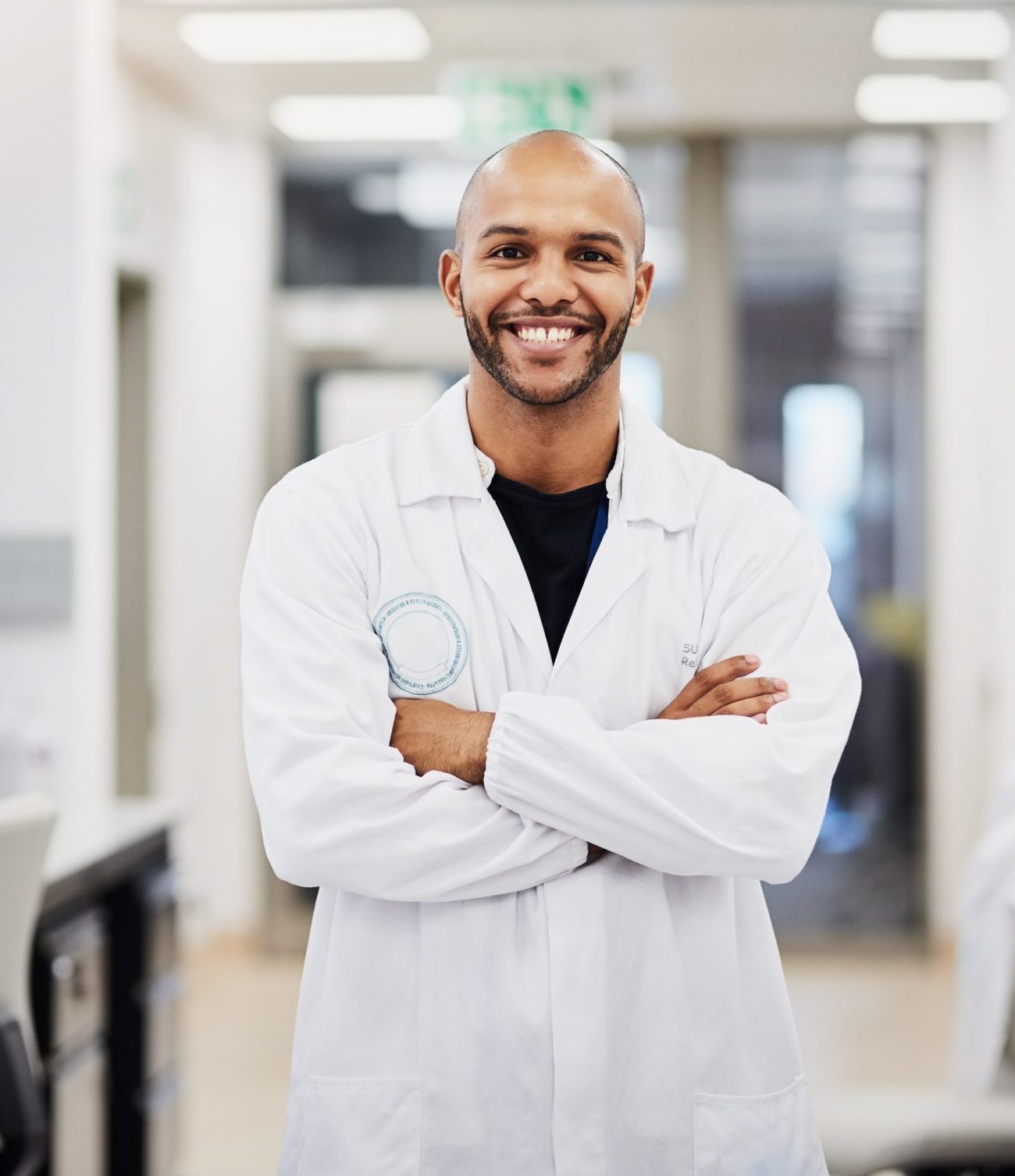
May 2026 – Stefan Botha
Born and raised in South Africa, Stefan completed a BSc majoring in Molecular Biology and Biotechnology, followed by a BSc Honours in Biochemistry, at Stellenbosch University. He then earned an MSc in Medical Biochemistry from the University of Cape Town, investigating the role of kisspeptin in pregnancy immunology.
After his MSc, Stefan worked as a technical officer, research assistant and project manager at research units at Stellenbosch University. Here he met Immunopaedia founder Prof. Clive Gray and joined Immunopaedia as a Junior Communications Officer. He has held this role for five years, helping to manage our social media presence and writing over 700 news articles (and counting) for the website.
His passion for women’s health led him to collaborate with Prof. Cathy Cluver and Prof. Lina Bergman, a friendship and mentorship that ultimately opened the door to his PhD programme. Stefan went on to secure a Melbourne Research Scholarship to study at the University of Melbourne and a place on the joint-PhD programme under the Berlin University Alliance (BUA). The programme has seen him spend two years in Melbourne and one in Berlin (at host institution – Charité – Universitätsmedizin Berlin) to conduct his research (supervised by Prof. Tu’uhevaha Kaitu’u-Lino). Stefan has been fortunate to receive several graduate and research awards and grants and currently serves as the graduate representative for his BUA cohort. He has also had the privilege of presenting at several international and local conferences throughout his PhD.
His PhD combines advanced molecular profiling – RNA-seq, scRNA-seq, spatial transcriptomics and proteomics – with an established screening pipeline to identify novel biomarkers and therapeutic targets for placental insufficiency. Through improving our understanding of the pathophysiology underlying placental insufficiency and related complications such as preeclampsia and foetal growth restriction, Stefan and the team hope to improve health outcomes for both mothers and babies. This work is especially urgent for South Africa and other low- and middle-income countries, where these conditions take a heavier toll. Stefan hopes to continue this work back in South Africa after completing his PhD.
You have a varied research and practical background (breast-cancer, TB, placental immunology). How did these experiences shape the researcher you are today?
It’s definitely given me a much broader approach to research than I think I would have had otherwise. Each field has its own culture, its own questions, and its own way of thinking. Moving between breast cancer, TB, and now placental biology has meant learning to read widely and translate between disciplines. Keeping current outside your immediate field only sharpens the approach you bring to your own.
More importantly, working across these areas has shown me how unevenly disease burden falls. That’s stayed with me, and it shapes the questions I think are worth asking.
The through-line across all three has been the same: how do we understand a complex biological problem well enough to actually help the patients carrying it? That’s the lens I now bring to everything.
Your PhD uses some advanced molecular profiling tools. Can you mention some of the challenges these bring? How do you see these tools being integrated in African research labs?
There’s been real progress in bringing these technologies and others, as well as novel approaches into African labs including: CERI, SA-MRC, Institut Pasteur de Dakar, African STARS fellowship Programme, AMI, SATVI, H3D, RIRCA, ACTI, H3ABioNet, CPGR, Synexa Life Sciences, Immobazyme, and OneBio Innovation Centre. The capabilities increasingly exist on the continent.
The biggest challenge, honestly, is cost. Platforms like spatial transcriptomics, and single-cell/nuclei sequencing, to name a few, carry a serious price tag, and although some concessions have been made for African science, the bulk of major funding still sits in the global north. I think equity of access has to be part of the conversation. Otherwise African researchers end up designing studies they have to ship abroad to actually run.
Beyond cost, another challenge is that there’s a steep learning curve. These methods are unforgiving, garbage in really does mean garbage out, and now most scientists are expected to bridge the wet-lab and computational worlds at once. That’s been one of the real privileges of my PhD. I’ve been exposed to some cutting-edge methodologies (manuscript in preparation, watch this space!).
Looking forward, I think integration on the continent will depend on hub-and-spoke models that share well-resourced facilities across regional networks, serious investment in computational training and technology platforms, and continental partnerships that pool samples and expertise rather than fragmenting them. Get those right and African labs won’t just adopt these technologies – they’ll shape how they’re used.
22 May is World Preeclampsia Day.
Preeclampsia is one of the key complications your research addresses. What do you most want the public, and the global health community, to understand about this condition, and where do you think research needs to go next?
Pregnancy should be one of the safest, most celebrated moments in a person’s life, and for far too many women, preeclampsia can be a devastating event. It’s a dangerous condition that contributes significantly to global perinatal and maternal morbidity and mortality. Annually, preeclampsia affects roughly 4 million pregnancies worldwide. The burden falls disproportionately on countries like South Africa and other low- and middle-income countries, where the disease often presents more severely and where access to early detection and specialist care is limited.
What I most want people to understand is that every pregnancy deserves the reassurance of being a safe one. That means being able to identify women at risk, but crucially, also being able to do something about it.
Right now, the field is rich with research and advocacy aimed at improving clinical management. I recently wrote a piece for Immunopaedia covering some of the most promising new trials and approaches. We’ve made considerable gains in prediction, particularly with first-trimester risk algorithms and biomarkers. But I think the next frontier is prevention and treatment. There’s always the difficulty that in pregnancy we have two patients to consider, which justifiably places clinical trials under extreme scrutiny. Despite that, this space is genuinely accelerating, with the emergence of novel therapeutic strategies like nanoparticle-based delivery, targeted siRNA knockdowns, and PROTACs offering the possibility of placenta-specific intervention without exposing the foetus to systemic drugs.
I’d also hope to see LMICs included far more meaningfully in the pregnancy research landscape. The disease is more severe in these settings, the populations are often genetically and environmentally distinct, and yet the bulk of trial activity and biomarker development still happens in high-income countries. Equity of access to novel treatments and diagnostics has to be designed in from the start, not retrofitted later.
That’s a large part of why my own work focuses on understanding the molecular changes inside the diseased placenta itself – finding the targets and biomarkers. For me, the promise lies in moving from “we can tell a woman she’s at risk” toward “we can intervene safely, meaningfully, and equitably.”
28 May is World Women’s Health Day.
Maternal and women’s health remain chronically under-researched and under-resourced in low- and middle-income countries. What do you think needs to change, at both a scientific and a policy level, to address this inequality?
Women’s health is under-researched and under-funded globally! This reality I’ve encountered working across continents. Women make up half the population yet have historically been under-represented in clinical trials. Pregnant women are still so excluded they’re often called “therapeutic orphans”. This means many drugs routinely prescribed in pregnancy have never been formally studied in them.
At a scientific level, sex-disaggregated data needs to become the default, not the exception. Conditions that disproportionately affect women, endometriosis, PMOS, preeclampsia, autoimmune disease, need funding proportional to the burden they cause. And pregnancy needs to be treated as a physiological state worth studying, not a contraindication to enrolment.
We also need much stronger partnerships between academia and industry, and vice versa. Academic labs generate the discoveries; industry has the capital and infrastructure to translate them. Neither moves fast enough alone, especially in a field as historically under-invested as women’s health. Governments and funders need to incentivise these partnerships.
At a policy level, the inequality is even starker. LMICs carry the overwhelming maternal mortality burden but receive only a small fraction of global research investment. We need funding that prioritises the diseases and regions most affected, leadership roles for women from those regions, and health systems built around primary care and reproductive services as a foundation rather than an afterthought.
For me, the future has to be one where a woman in Mogadishu and a woman in New York have the same right to a safe, well-understood pregnancy, and where the science that gets us there is shaped by both.
You’ve been with Immunopaedia for five years! What drew you to science communication, and how has that work influenced how you think about and present your own research?
Immunopaedia has been a genuine privilege to be part of. What drew me in was the mission i.e. making immunology accessible to scientists and clinicians across the continent, particularly those in LMICs. Five years on, I’m a much better scientist. A big shout out to Prof. Clive Gray and Bon Holtak for given me the opportunity in what seems like ages ago.
Science communication forces a kind of clarity that bench/computational work alone doesn’t demand. Once you’ve had to explain research or a new therapeutic approach to a broad audience, the “so what” of your own research becomes much sharper. It’s also kept me reading widely, well outside my immediate field which is one of the most underrated habits in science. I now write my own papers, grants, and talks with that same lens in mind: who is reading this, and will it actually land?
You’ve had to navigate a life split between South Africa, Australia, and Germany.
What has the experience of conducting international research taught you about science, and about yourself?
I’ve thought about this a lot, and the honest answer is that international research has taught me how much of a privilege this whole journey has been. As a South African, the fact that I’ve been able to move/live between Melbourne and Berlin to do this work is something I don’t take for granted.
The science itself has been humbling. I’ve been exposed to techniques I genuinely wouldn’t have dreamed of working with – deep visual proteomics, spatial transcriptomics and single-cell methodologies. I have had the chance to learn from, collaborate with, and even meet, some of the pioneers who developed the techniques. To be doing my PhD between the University of Melbourne and the Charité is an extraordinary opportunity, and I’m aware of that every day.
What it’s taught me about myself is that I’m probably at my best when I’m out of my depth, surrounded by people who know more than I do. That’s where the growth happens.
What advice would you give to a young researchers who want to pursue a career in reproductive or maternal immunology?
My honest advice is to diversify yourself and not rely only on your scientific ability. Research trains you to be a good scientist, but the careers I admire most are built on much more than that. Read outside of academia i.e. policy, science communication, industry pipelines, startup environments, even patient advocacy. Engage with industry where you can; the future of academic science will increasingly be built jointly with them, and understanding that world early is a real advantage.
Build a network deliberately. Reproductive and maternal immunology is a small, generous field, and the people in it tend to be remarkably willing to help if you reach out. Relationships and community are how you actually figure out where you want to be, and how you get there. Some of the most important conversations in my career so far have happened over a coffee (why I’m here today), not in formal meetings.
Can you share a moment of unexpected joy or surprise in your scientific career over the past three years that has stayed with you?
For me, the unexpected joy of the past three years has been the community I’ve built. Leaving South Africa, my partner (now fiancé), my family, my friends, for my first time overseas to embark on this PhD was incredibly tough. I knew I’d meet new people; what I didn’t expect was the depth of those friendships, or how quickly they would come to feel like family. I now have people I can call on in Berlin, Melbourne, Cape Town, and well beyond, from completely different backgrounds and cultures.
That’s been the quiet surprise of this whole experience. The science has been extraordinary, but the people are what I’ll carry forward. It’s shaped who I’ve become and given me a perspective on the world I don’t think I could have gained any other way.
Your most recent publications:
- Botha SM, Bartho LA, Hartmann S, Cannon P, Nguyen A, Nguyen TV, Pritchard N, Dechend R, Nonn O, Tong S, Kaitu’u-Lino TJ. Thrombospondin-1 (THBS1) is dysregulated in preeclampsia. Placenta. 2026 Feb;174:19-31. doi: 10.1016/j.placenta.2025.11.013.
- Botha SM, Bartho LA, Hartmann S, Cannon P, Nguyen A, Nguyen TV, Pritchard N, Dechend R, Nonn O, Tong S, Kaitu’u-Lino TJ. Cystatin 6 (CST6) and Legumain (LGMN) are potential mediators in the pathogenesis of preeclampsia. Sci Rep. 2025 Apr 15;15(1):12945. doi: 10.1038/s41598-025-96823-9.
- Hartmann S, Botha SM, Gray CM, Valdes DS, Tong S, Kaitu’u-Lino TJ, Herse F, Bergman L, Cluver CA, Dechend R, Nonn O. Can single-cell and spatial omics unravel the pathophysiology of pre-eclampsia? J Reprod Immunol. 2023 Sep;159:104136. doi: 10.1016/j.jri.2023.104136.
- Beltran CGG, Kriel J, Botha SM, Nolan MB, Ciccarelli A, Loos B, Gutierrez MG, Walzl G. Correlative 3D imaging method for analysing lesion architecture in susceptible mice infected with Mycobacterium tuberculosis. Dis Model Mech. 2025 Sep 1;18(9):dmm052185. doi: 10.1242/dmm.052185.
April 2026 – Veronica Cecilia Fuentes Rodrigue
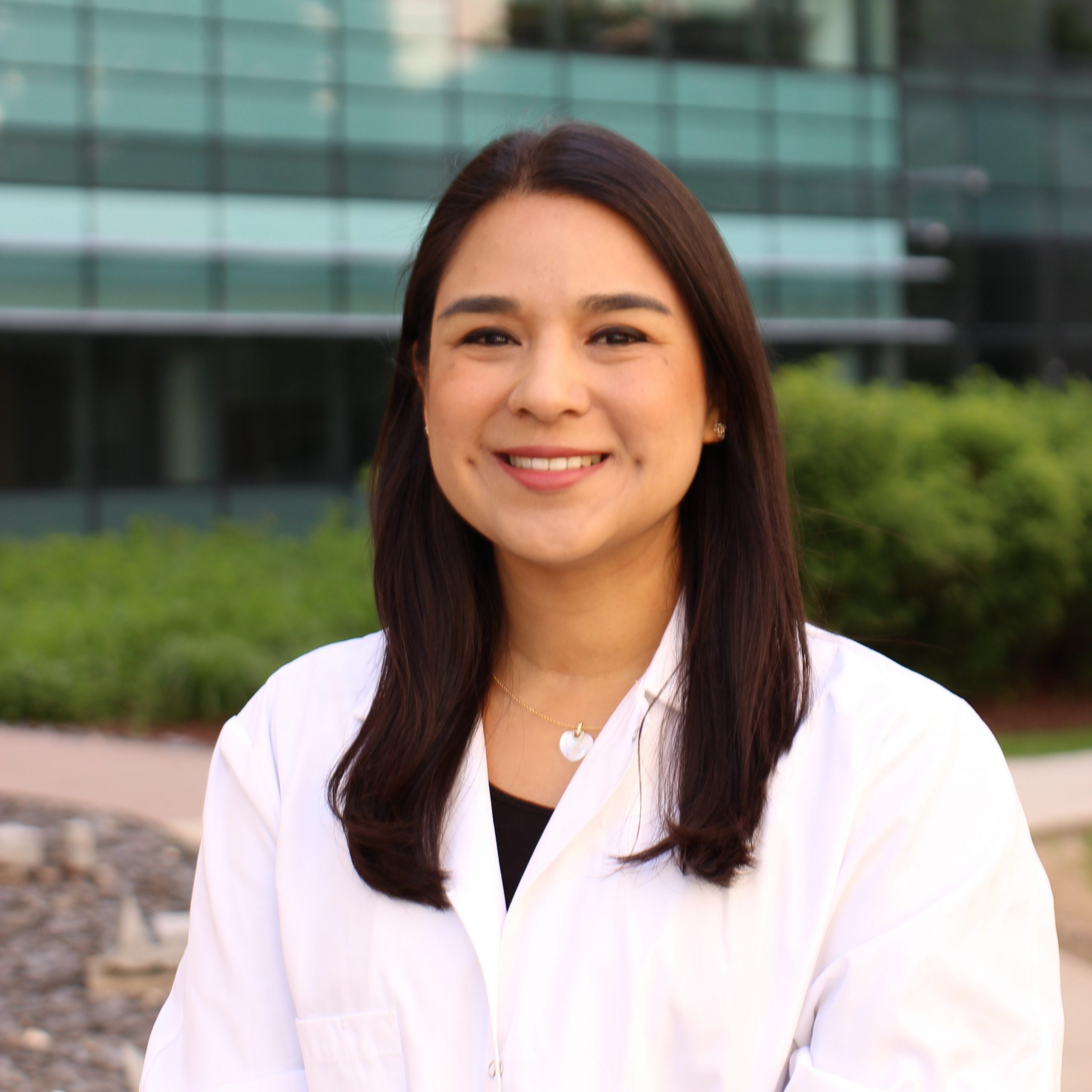 Veronica Cecilia Fuentes Rodrigue is a general physician by training, and during her career, she has had the opportunity to collaborate at the Microbiology Department from the School of Medicine at Universidad Dr José Matías Delgado, where she met her first mentor, Dr Carlos Flores, PhD. He inspired Veronica with the way he taught immunology to the students, and he encouraged her to take on the challenge of teaching under his supervision. They also spent many hours discussing more in-depth immunology topics that she found fascinating, and Veronica realised there was a need to contribute to immunology education in El Salvador. This is why she chose to pursue postgraduate studies in immunology.
Veronica earned her master’s degree in microbiology and Immunology through the Fulbright Scholarship at Loyola University Chicago, under the supervision of her mentor, Dr Yee Ling Wu. Her research investigated how microbial products modulate the IgE response in vitro in allergies and asthma. After completing her degree, Veronica returned to El Salvador, where she is currently applying her expertise to teach basic immunology and microbiology to the next generation of medical students.
We would love to hear more about your aim to advance immunology and research capabilities in El Salvador.
Immunology has become one of the leading biomedical sciences with accelerated breakthroughs in medicine regarding diagnosis and novel treatments around the world, and up to this moment, there is no formal training for immunologic sciences in El Salvador. As a first step, my aim is to help strengthen immunology education for medical students in my country so they can be prepared to understand and contribute to this growing field, as well as to set up the foundation to promote the advancement of research capabilities in our country.
What projects are you currently working on and how do they contribute to immunology education?
We have formally adopted Immunopaedia as a teaching resource for the course of Basic Immunology at our School of Medicine, and we are using it as a reference in our teaching materials so our students can have access to global education.
We have started a project where current students are assigned clinical cases on different topics from the Immunopaedia website so they can correlate the concepts of basic science that we see in the classroom into clinical presentations. As their instructors, we help them to create a summary and a presentation of their topic to share it with the classroom, so they can actively participate in their own learning. We are immensely proud to see the exciting potential and capabilities of our students to better understand the underlying immunological mechanisms of diseases in topics such as infection, autoimmunity and cancer, to mention some.
Conducting advanced immunology research in Latin America often comes with unique challenges. What obstacles have you faced, and how have you adapted to continue pushing your work forward?
Yes, definitely in Central America we face challenges mainly related to funding, resources and infrastructure. At the moment, the main obstacle is that there are no precedents for basic immunology research in El Salvador, and we have to improve our laboratory facilities and develop grant proposals. I am adapting to better understand what the research gaps are and needs that can be addressed by immunology research in my country. Perhaps it might take some time as we actively seek to promote research; we are focusing on exposing future generations of medical professionals to free educational resources available online, such as Immunopaedia and virtual labs.
Congratulations on being honoured with a Fulbright Scholarship. How do you think this affected your journey through science?
I want to publicly express my gratitude to the Fulbright Scholarship Program because they granted me the opportunity to study my master’s in microbiology and Immunology in the United States. This has been a life-changing experience in my journey because it opened a new world of possibilities to start a career in science. I also want to sincerely thank the Microbiology & Immunology Department at Loyola University Chicago for their support and for giving me the opportunity to receive formal education and conduct supervised research in Immunology.
You have mentioned Dr Yee Ling Wu as your mentor. How has working under her changed your view of immunology?
The role of Dr Yee Ling Wu as a mentor has been the pillar of my career in Immunology. Here at the Wu Lab, it was my journey that officially began. Working under her supervision allowed me to understand the microbial interactions that modulate the adaptive immune responses, as well as learn first-hand immunology laboratory techniques and their respective data analysis and interpretation. She also contributed to my communication and presentation skills and supported me across many different opportunities to share our work with other scientists. Dr Wu is characterised by her passion for education and research, and she has been able to transmit that passion to me as an excellent role model.
What specifically stood out about Immunopaedia that made you want to become an ambassador?
I discovered Immunopaedia during the pandemic. At that time, I had recently started to work at the University, and like many others, we faced the challenge to adapt our teaching materials to virtual settings. By starting to use the Immunopaedia website, I had access to educational resources that helped me thrive during that time, and I was able to participate in IUIS webinars and take advantage of the valuable opportunity to connect with immunologists around the world. I then got interested in the role of the ambassadors in their respective countries and wanted to become part of it. After finishing my master’s studies, I was incredibly happy to be able to apply.
The International Day of Immunology will take place on 29th April. Do you have a message for your students, or anyone else interested in immunology?
I would like to encourage my students and other students in El Salvador and Central America with similar conditions to participate in the International Day of Immunology. Even though we face some limitations in our regions, this shouldn’t be an obstacle to learning science. We can still be part of international education and be connected around the globe. I also want to motivate them to learn and contribute locally to advance immunology education in our region!
Can you share a moment of unexpected joy or surprise in your scientific career that has stayed with you?
Being accepted as a Fulbright Scholar and being accepted at Loyola University Chicago were moments of extreme joy that I will always remember! But definitely, I also want to share the unexpected joys and surprises during my first time conducting research! Where learning how to perform a technique, for example, cell cultures (and actually getting it right), felt like a victory! Working extremely hard and persevering for those days with small victories led me to conclude my project. I will remember all of them with joy because they shaped where I am today.
Most recent publications:
- Rosales Hernández AM, Villeda Ortiz VA, Fuentes Rodríguez VC. Lifestyle factors with immunomodulatory effect against respiratory viral infections in adults. Alerta. 2022;5(2):139-145. DOI: 10.5377/alerta.v5i2.12803
- Fuentes Rodriguez, Veronica Cecilia, “In Vitro Modulation of IgE Response” (2025). Master’s Theses. 4579.https://ecommons.luc.edu/luc_theses/4579
March 2026 – Matías Nicolás Distel
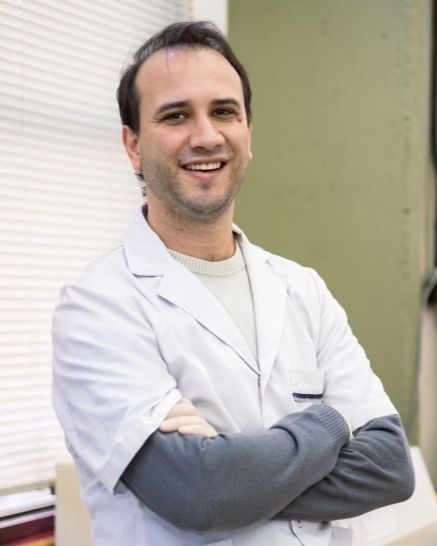 Matías Nicolás Distel is a Biochemistry graduate from the National University of San Luis (Argentina) and a doctoral fellow of CONICET (The National Scientific and Technical Research Council). He currently works at the Laboratory of Immunopathology and Flow Cytometry under the supervision of Dr Silvia Di Genaro. Matias’s journey in immunology began with a strong interest in understanding how the mucosal immune system interacts with commensal and pathogenic microorganisms. Over time, his work has focused on studying the gut-joint axis, particularly how a specific bacterium of the intestinal microbiota, known as Candidatus Arthromitus, commonly referred to as segmented filamentous bacteria (SFB), modulates immune responses and contributes to post-infectious inflammatory processes.
Matias provided a very insightful interview with award-winning Dr Mehrnoosh Arrar as our Immunologist of the Month in February 2026.
We would love to hear more about your ongoing research. What projects are you currently working on and how do they contribute to our understanding of the gut–joint axis?
Currently, my research focuses on understanding how specific microorganisms of the intestinal microbiota, particularly segmented filamentous bacteria (SFB), modulate systemic immune activation through the TNF/TNFR1 axis. We work with C57BL/6 wild-type and TNFR1 knockout murine models to analyze how the absence of signaling through the TNFR1 receptor impacts SFB colonization and the induction of Th17 responses in the small intestine. Given that SFB are potent inducers of IL-17–producing cells in the lamina propria, we are interested in determining how this microbiota–mucosal immune system interaction may be amplified or altered under conditions where TNF-mediated inflammatory signaling is modified. Through SFB-specific qPCR, intestinal IgA analysis, flow cytometry to characterize Th17 populations, and histological studies of the ileum, we aim to understand how immune signals originating in the intestinal mucosa may contribute to inflammatory processes in distant tissues, such as joints.
Your work explores the role of the intestinal microbiota in shaping immune responses. How do you see these findings influencing future approaches to managing inflammatory and infectious diseases?
Our findings support the idea that inflammation should not be treated merely as an isolated phenomenon of the affected organ but rather understood within the microbial context that shapes systemic immune activation. In this sense, strategies such as targeted microbiota modulation, rational use of antibiotics, or even interventions based on defined microbial consortia could become more precise therapeutic tools.
Moreover, understanding how microorganisms such as SFB shape Th17 cell polarization may help us design interventions that restore immunological balance without compromising host defense against pathogens.
What inspired you to choose immunology as your focus within science? How has your perspective evolved over time?
What initially attracted me to immunology was its breadth, its involvement in virtually all tissues of the body, and how a small change in this axis can be crucial both for maintaining health and for the development of autoimmune diseases, many of which remain poorly understood. Over time, my perspective evolved toward an even broader vision. During my undergraduate training, while taking courses such as microbiology, immunology, and clinical analysis, there was little integration between the microbiota and the immune system as we understand it today. For this reason, I can no longer conceive of the immune system without its environmental context. Immunology is no longer just the study of cells and cytokines, but rather a dynamic system influenced by microbiota, the environment, and even social factors. This transition toward an integrated view of immunology has been central to my scientific development.
Conducting advanced immunology research in Latin America often comes with unique challenges. What obstacles have you faced, and how have you adapted to continue pushing your work forward?
In Latin America, we face structural challenges such as budget limitations, delays in the importation of reagents, and restricted access to certain high-cost technologies. Additionally, in many countries across the region, the scientific system itself is currently being questioned, which further complicates the landscape. However, these challenges also push us to be more creative and rigorous in our experimental design. In my case, I have optimized protocols, developed specific primers using open-access bioinformatics tools, and strengthened collaborations with colleagues. I believe that doing science in our region requires persistence, collaboration, and a strong commitment to giving back to society what it has given us.
What specifically stood out about Immunopaedia that made you want to become an ambassador, and how has your experience as an ambassador shaped your journey?
I have always been passionate about education, and I believe that science communication is crucial for the growth of a region, especially in developing countries like mine. For this reason, I deeply value the work carried out by Immunopaedia, which strives to make knowledge more accessible to everyone and to give strong visibility to science from countries outside the so-called first world.
Being an ambassador represents, to me, an opportunity to actively contribute to the dissemination of scientific knowledge, particularly among young students and professionals in training. Moreover, being part of this community has reinforced my commitment to scientific communication and education in immunology.
Can you share a moment of unexpected joy or surprise in your scientific career that has stayed with you?
One of the most joyful moments in my career was being admitted as a doctoral fellow at CONICET. It is the most important scientific institution in Argentina, with strong international recognition, and its admission process is highly competitive. Receiving that news was a deeply meaningful experience. It not only represented the opportunity to formally begin my doctoral training, but also the validation of years of education, dedication, and commitment to science. It was a mixture of excitement, pride, and gratitude. In that moment, I understood that all the previous effort, the long hours in the laboratory, the constant studying, and the challenges overcome, had been worthwhile, and that I was taking a decisive step in my path as a researcher.
February 2026 – Claire Baine
 Claire Baine is a Ugandan laboratory technologist specialising in infectious diseases and vaccine immunology, currently working in the Immunomodulation and Vaccines (I‑Vac) Group at the MRC/UVRI & LSHTM Uganda Research Unit. Her journey in immunology began as a volunteer at national reference and research laboratories, working on HIV and COVID‑19 diagnostics and monitoring at Central Public Health Laboratories and the UVRI HIV Reference Laboratory, which exposed Claire to high‑throughput virology and quality‑assured testing systems. This experience led her to the Department of Immunology at UVRI, where she transitioned fully into vaccine research, supporting pre‑clinical vaccine studies, coordinating an inactivated COVID‑19 vaccine pilot, and performing detailed immunological assays such as ELISA, flow cytometry, ELISpot, and pseudo virus neutralisation. The varied projects at these different labs shaped Claire’s growth towards becoming an independent vaccine immunology researcher. Her goal is to participate in studies or research that bridges real-world vaccine effectiveness with different institutions involved in vaccine production.
Read about Claire’s Experience at the Global Young Scientists Summit (GYSS) 2026
We would love to hear more about your ongoing research. What projects are you currently working on, and how do they impact the field?
Currently, my main research is within the Vaccines for Vulnerable People (VAnguard) project in the I‑Vac group, which explores how structural, social, and biological factors combine to influence vaccine impact in communities in Kenya and Uganda. My role focuses on generating immune and metabolic profiles of participants, including processing blood to obtain PBMCs and plasma, stool processing for microbiome‑related work, and running multiplex viral serology (Luminex‑200), flow cytometry, and ELISA‑based assays. By linking these detailed biological measurements to real‑world contexts, our work aims to define biological proxy markers for vaccine efficacy and impact, helping to identify populations that may need tailored vaccination strategies or additional support. In parallel, I contribute to exploratory studies using stored samples from the POPVAC trials to understand environmental and biological drivers of vaccine responses in rural versus urban Ugandan settings, complementing my previous COVID‑19 Immunoprofiling work on durability and quality of antibody and T‑cell responses after different vaccines. Collectively, these projects strengthen the evidence base for context‑appropriate vaccine policy in sub‑Saharan Africa by connecting laboratory immunology with public‑health decision‑making in vulnerable populations.
Please tell us about your work in vaccine development and intervention strategies.
My work in vaccine development and intervention strategies has focused on generating and applying immunological evidence to inform how vaccines are designed, evaluated, and implemented in real-world settings. In earlier roles at the Uganda Virus Research Institute, I have contributed to research aimed at understanding the quality, durability, and breadth of immune responses elicited by different vaccine platforms, particularly for infectious diseases of public-health importance in sub-Saharan Africa. I contributed to multiple COVID-19 vaccine evaluation studies, generating antibody and T-cell response data for adenoviral vector, mRNA, and inactivated vaccines. These studies provided critical insights into immune durability, booster responses, and the influence of prior infection, evidence that directly informed local vaccination strategies and policy discussions.
More recently, my work has increasingly emphasised intervention strategies that go beyond vaccine composition alone. By integrating immunological data with contextual factors such as baseline immune status, co-infections, nutrition, and environmental exposures, I contribute to research aimed at identifying populations that may require modified vaccination schedules, booster timing, or complementary public-health interventions. Collectively, my work supports a shift from one-size-fits-all vaccination approaches toward more context-appropriate, evidence-based strategies that maximise vaccine impact in vulnerable populations.
What inspired you to choose immunology as your focus within the field of science? Has this evolved over time?
My initial interest during my undergraduate training was in molecular biology. However, this began to evolve when I undertook an internship at the Uganda Virus Research Institute, where my exposure to immunology and infectious disease research sparked a deeper curiosity about the immune system and its role in protecting health. I became particularly interested in how vaccines work to prevent disease, how immune responses can be measured, and how vaccine efficacy can be evaluated and optimised in real-world settings to improve the management of infectious diseases.
Over time, this interest has developed into a more focused passion for immunology and vaccinology, driven by the recognition that understanding immune mechanisms is central to addressing both existing and emerging health challenges. Working alongside supportive supervisors and mentors has played a significant role in this evolution. Their guidance has not only strengthened my technical and analytical skills but also encouraged me to pursue opportunities that have broadened my understanding of vaccine-induced immunity and translational research. These experiences have reinforced my commitment to immunology as a field with immense potential to improve population health, particularly in settings disproportionately affected by infectious diseases.
It’s International Women’s Day on the 8th of March. As a woman in STEM, what do you think still needs to be highlighted as an aim for Women’s Day?
As a woman in STEM, I think World Women’s Day should continue to highlight the importance of recognising and celebrating small moments, small wins, and the lessons learned along the way. We live in a fast-paced society that places constant pressure on people, especially women, to always be doing more, moving faster, and achieving the next milestone. While ambition and growth are important, it is equally important to pause and acknowledge progress, no matter how small. These moments remind us why we started and help sustain us through challenging periods. For those just starting out in the field, I would emphasise the value of seeking out and engaging with people who are in positions you aspire to reach. Ask questions, learn from their journeys, and be open to guidance, because, from my experience so far, there is almost always someone willing to share their story and support others. Most importantly, be confident in the knowledge and skills you have, and use them to positively impact those around you. Do not be afraid to learn or to try something new; growth comes from taking the first step, making mistakes, and continuously improving.
What specifically stood out about Immunopaedia that made you want to become an ambassador, and how has your experience as an ambassador affected you?
I was first introduced to Immunopaedia by a work colleague who was once an ambassador. On doing more reading about Immunopaedia, what stood out to me was the commitment to making immunology accessible and to showcasing diverse career paths within the field. The idea of using the platform not only to share my own work, but also to encourage and guide students and early-career scientists trying to enter immunology, strongly resonated with me and motivated me to apply to become an ambassador. My experience as an ambassador has been very enriching. It has pushed me to actively engage with the broader immunology community by reading and learning from the profiles of researchers across different sub-disciplines and career stages. This exposure has broadened my perspective on the field and highlighted the many ways immunology can be applied in research, clinical practice, and industry. Additionally, the role has strengthened my science communication skills and reinforced the importance of mentorship and representation in supporting the next generation of immunologists.
Can you share a moment of unexpected joy or surprise in your scientific career over the past three years that has stayed with you?
One moment of unexpected joy was being selected as a mentee in the Early Career Mentorship Programme for Women Working in Vaccinology under the U.S. National Academies of Sciences, Engineering, and Medicine (NASEM). This opportunity allowed me to connect with exceptional mentors (Dr. Caryn Fenner and Mahlet Woldemariam) and fellow mentees who have provided, and continue to provide invaluable guidance, encouragement, and perspective. Under the NASEM leadership of Daniel Placht and Sofia Bowman, the programme created a supportive and empowering space to openly discuss not only scientific growth and career development, but also how to navigate life as a woman in science alongside other personal and professional commitments. The sense of community, generosity, and shared experience was both deeply affirming, and it has stayed with me as a reminder of the power of mentorship and solidarity in shaping scientific careers.
Claire Baine’s most recent publications:
Timothy Etyang, Ludoviko Zirimenya, Maureen Njue, Robinah Nalwanga, Flavia Zalwango, Kelvin Mokaya Abuga, Henry K Karanja, Noni Mumba, Esther. A. Owino, Winnie Eoju, Christine Kukundakwe, Denis Nsubuga, Claire Baine, Bridgious Walusimbi, Gyaviira Nkurunungi, Agnes Natukunda, Monica Chibita, David Kaawa Mafigiri, Dorcas Kamuya, Sarah Atkinson, Primus Chi, Emily L Webb, Caroline L. Trotter, Pontiano Kaleebu, Alison M Elliott, NIHR VAnguard group. 2024. VAnguard Community Study: Exploring Interrelationships Between Structural, Social, and Biological Determinants of Vaccine Impact in Kenya and Uganda. NIHR Open Research. https://doi.org/10.3310/nihropenres.13925.1
Jennifer Serwanga, Gerald Kevin Oluka, Claire Baine, Violet Ankunda, Jackson Sembera, Laban Kato, Joseph Ssebwana Katende, Geoffrey Odoch, Betty Oliver Auma, Ben Gombe; COVID-19 Immunoprofiling Team; Monica Musenero, Pontiano Kaleebu.2024. Persistent and robust antibody responses to ChAdOx1-S Oxford-AstraZeneca (ChAdOx1-S, Covishield) SARS-CoV-2 vaccine observed in Ugandans across varied baseline immune profiles. https://journals.plos.org/plosone/article?id=10.1371/journal.pone.0303113
Serwanga Jennifer, Kato Laban, Oluka Gerald Kevin, Ankunda Violet, Sembera Jackson, Claire Baine, Kitabye Isaac, Namuyanja Angela, Opio Solomon, Katende Joseph Ssebwana, Ejou Peter, The COVID-19 Immunoprofiling Team, Kaleebu Pontiano. 2024. The Single-Dose Janssen Ad26.COV2.S COVID-19 Vaccine Elicited Robust and Persistent Anti-Spike IgG Antibody Responses in A 12-Month Ugandan Cohort. Frontiers in Immunology. https://www.frontiersin.org/journals/immunology/articles/10.3389/fimmu.2024.1384668
January 2026 – Diary Juliannie NY MIORAMALALA
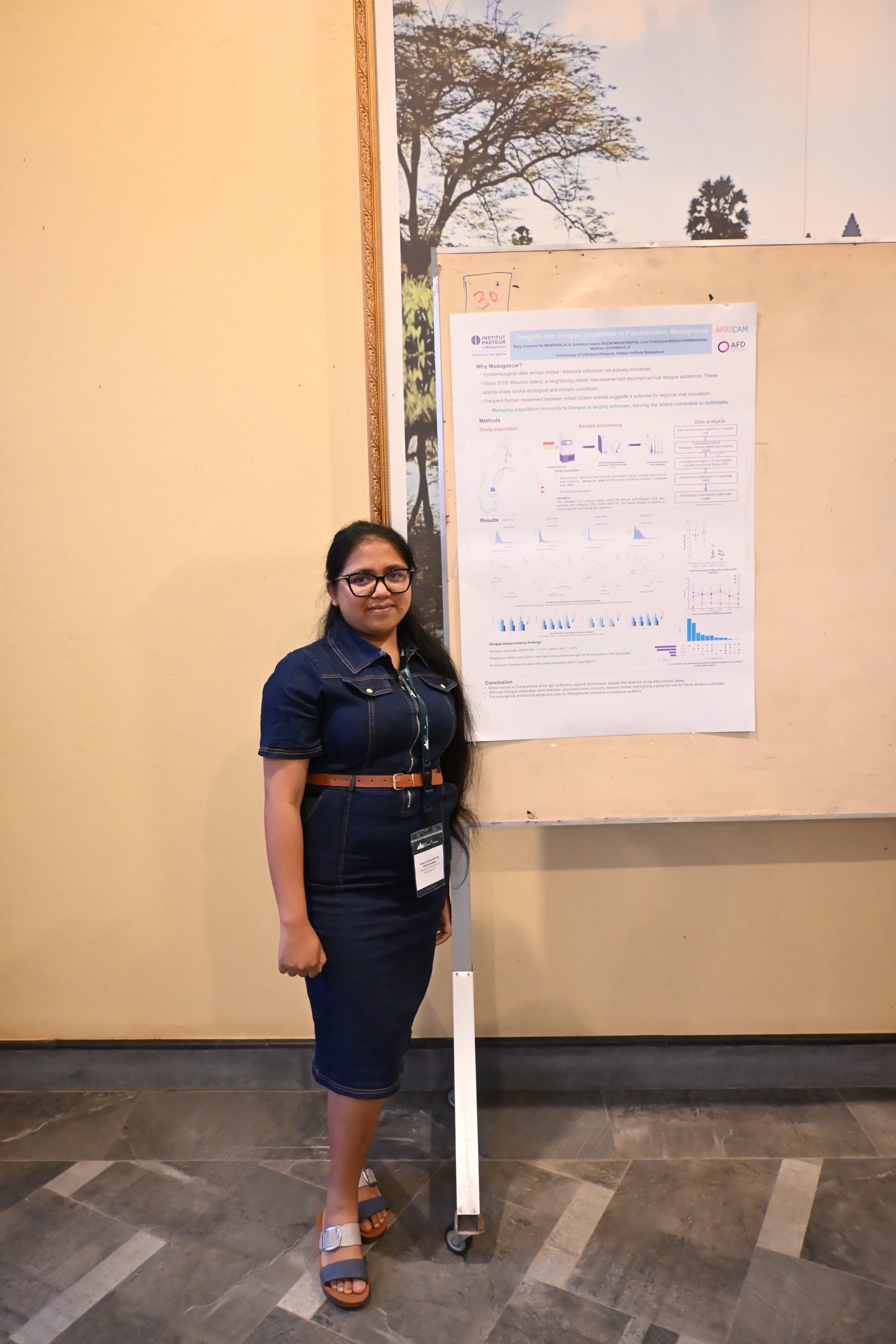 Diary Juliannie NY MIORAMALALA is originally from Madagascar and is currently a researcher at the Institut Pasteur de Madagascar. She attended the Immuno-Cambodia course in 2025 where she was one of the volunteer rapporteurs during the course. Diary also helped to compile the full participant report for the course from her peers. She joined the Immunopaedia Ambassador team officially this month.
Thank you, Diary! We are happy to have you on the team.
Read the Immuno-Cambodia Participant Report
Please introduce yourself and tell us about your journey in immunology research.
I am a research engineer with a passion for immunology, a journey that really took off during the COVID-19 pandemic. At that time, I worked on understanding the serological background and adaptive immunity of populations, validating diagnostic tools across multiple centres, and comparing immunity across African countries. Our lab was reorganising its activities, and I found myself setting up new technical platforms—a challenge that quickly boosted my skills and confidence in the lab.
Over the years, I’ve been lucky to work on projects ranging from immune profiling and antibody responses to cellular immunology. These experiences have taught me the importance of patience, careful experimental design, and the power of combining data from multiple angles to understand the immune system.
What drives me most is translational research—taking discoveries from the bench to strategies that can prevent or modulate disease, especially in low-resource or endemic settings like Madagascar. My goal is to pursue a PhD in immunology, focusing on vaccines, allergies, and immune tolerance, and to use science to make a tangible difference in people’s lives.
We would love to hear more about your ongoing research. What projects are you currently working on, and how do they impact the field?
More recently, my research has focused on infectious diseases such as tuberculosis and plague, with particular attention to the interplay between host immunity and environmental factors.
Currently, I am involved in a project aimed at the immunological validation of innovative techniques designed to discriminate across the tuberculosis disease spectrum, from latent infection to active disease. Through immune profiling and biomarker analysis, this work seeks to improve diagnostic accuracy and to support the prediction of disease progression. Ultimately, this project aims to contribute to earlier and more precise TB diagnosis, which could have a significant impact on disease control and patient management.
Please tell us about your work on vaccine development and intervention strategies.
Our work in vaccine-related research does not focus on vaccine formulation or manufacturing. Instead, it is dedicated to identifying immune correlates of protection in human populations and elucidating the immunological mechanisms that underpin effective immunity.
By studying patients with distinct immune profiles, we aim to define immune signatures associated with natural protection or disease control. This includes the characterisation of antibody responses, cellular immunity, and functional immune markers.
These insights are essential for informing vaccine development and intervention strategies, as they help identify relevant immune targets, guide immune-based stratification, and support the design and evaluation of preventive or therapeutic interventions.
What inspired you to choose immunology as your focus within the field of science? Has this evolved over time?
Since the very beginning of my scientific training, starting from my undergraduate studies, I have been drawn to immunology. To me, it is one of the most inspiring fields in biology, as it seeks to understand the body’s natural defence systems, the “soldiers” of the organism and how they can be strengthened to protect the individual.
What continues to fascinate me is that these defences rely on a highly organised and finely regulated network that operates continuously to keep us alive. Despite constant external challenges, the immune system maintains balance and resilience daily, illustrating the existence of a remarkably efficient and well-defined protective system. Over time, this initial fascination has evolved into a deeper scientific interest in understanding immune mechanisms in the context of disease, prevention, and intervention strategies.
It is the International Women & Girls in Science Day on the 11th of February. What would you say to a young woman entering the field of immunology?
If you are a young woman considering a path in immunology: don’t hesitate; go ahead! Immunology is a science that touches every life, and it needs your sensitivity, your critical thinking, your persistence, and your courage. Your perspective and your energy are not just welcome; they are essential.
Remember also that immunology is not only in textbooks, it also lives in observations and experiments. Never forget the basics, but always keep in mind that what you hold in your hands in the lab could be new knowledge and meaningful results.
What specifically stood out about Immunopaedia that made you want to become an ambassador, and how has your experience as an ambassador affected you?
From a personal perspective, working in Madagascar can sometimes feel isolating from the global scientific community—and at times from the world more broadly. Immunopaedia serves as a gateway and a shared space where immunologists from diverse backgrounds feel connected.
It is a platform I turn to when I feel uncertain or need to re-anchor myself in the fundamentals and realities of immunology. Becoming an ambassador allows me to actively contribute to this community, to stay connected, and to remain grounded in the evolving, real-time landscape of science.
Can you share a moment of unexpected joy or surprise in your scientific career over the past three years that has stayed with you?
One moment of unexpected joy in my scientific career over the past three years was the publication of my first paper. While it was not cutting-edge science, it represented a substantial amount of work, requiring patience, resource management, endurance in the lab, and persistence. Seeing it finally published was incredibly rewarding and reminded me that dedication and consistent effort truly pay off.
Recent Publications:
SARS-CoV-2 Neutralizing Antibodies in Three African Countries Following Multiple Distinct Immune Challenges. Ny Mioramalala DJ, Ratovoson R, Tagnouokam-Ngoupo PA, Abessolo Abessolo H, Mindimi Nkodo JM, Bouting Mayaka G, Tsoungui Atangana PC, Randrianarisaona F, Pélembi P, Nzoumbou-Boko R, CotiReckoundji CSG, Manirakiza A, Rahantamalala A, Randremanana RV, Tejiokem MC, Schoenhals M.Vaccines (Basel). 2024 Mar 27;12(4):363. doi: 10.3390/vaccines12040363.
Multiple SARS-CoV-2 immunizations of an unvaccinated population lead to complex immunity. A T cell reactivity study of blood donors in Antananarivo. Razafimahatratra SL, Andriatefy OH, Ny Mioramalala DJ, Tsatoromila FAM, Randrianarisaona F, Dussart P, Schoenhals M. Journal of Infection and Public Health, 2023, 17(1), 175-181. doi: 10.1016/j.jiph.2023.11.020.
Development and comparative evaluation of SARS-CoV-2 S-RBD and N based ELISA tests in various African endemic settings. Benabdessalem C, Hamouda WB, Marzouki S, Faye R, Mbow AA, Diouf B, Ndiaye O, Dia N, Faye O, Sall AA, Diagne CT, Amellal H, Ezzikouri S, Ny Mioramalala DJ, Randrianarisaona F, Trabelsi K, Boumaiza, M, Hamouda SB, Ouni R, Bchiri S, Chaaban A, Gdoura, Yousr Gorgi M, Sfar I, Yalaoui S, Khelil JB, Hamzaoui A, Abdallah M, Cherif Y, Petres S, Mok CKP, Escriou N, Quesney S, Dellagi K, Schoenhals M, Sarih M, Vigan-Womas I, Bettaieb J, Rourou S, Barbouche MR, Ahmed MB, Diagnostic Microbiology and Infectious Disease,Volume 105, Issue 4, 2023, doi : 10.1016/j.diagmicrobio.2023.115903.