

A report by Immuno-Cambodia 2025 participants – including a daily summary, personal reflections and quotes from Faculty and other attendees.
Download – Full Report_Immuno-Cambodia 2025-final.pdf
Immuno-Cambodia 2025: Day 1 Summary – Aisya Alma Asmiranti Kartika
The program was officially opened by Prof. André Spiegel, Director of the Institut Pasteur du Cambodge, who emphasised the course’s global and multidisciplinary nature. He also highlighted the grant-writing workshop as a key component, offering hands-on experience in developing innovative research proposals with expert guidance.
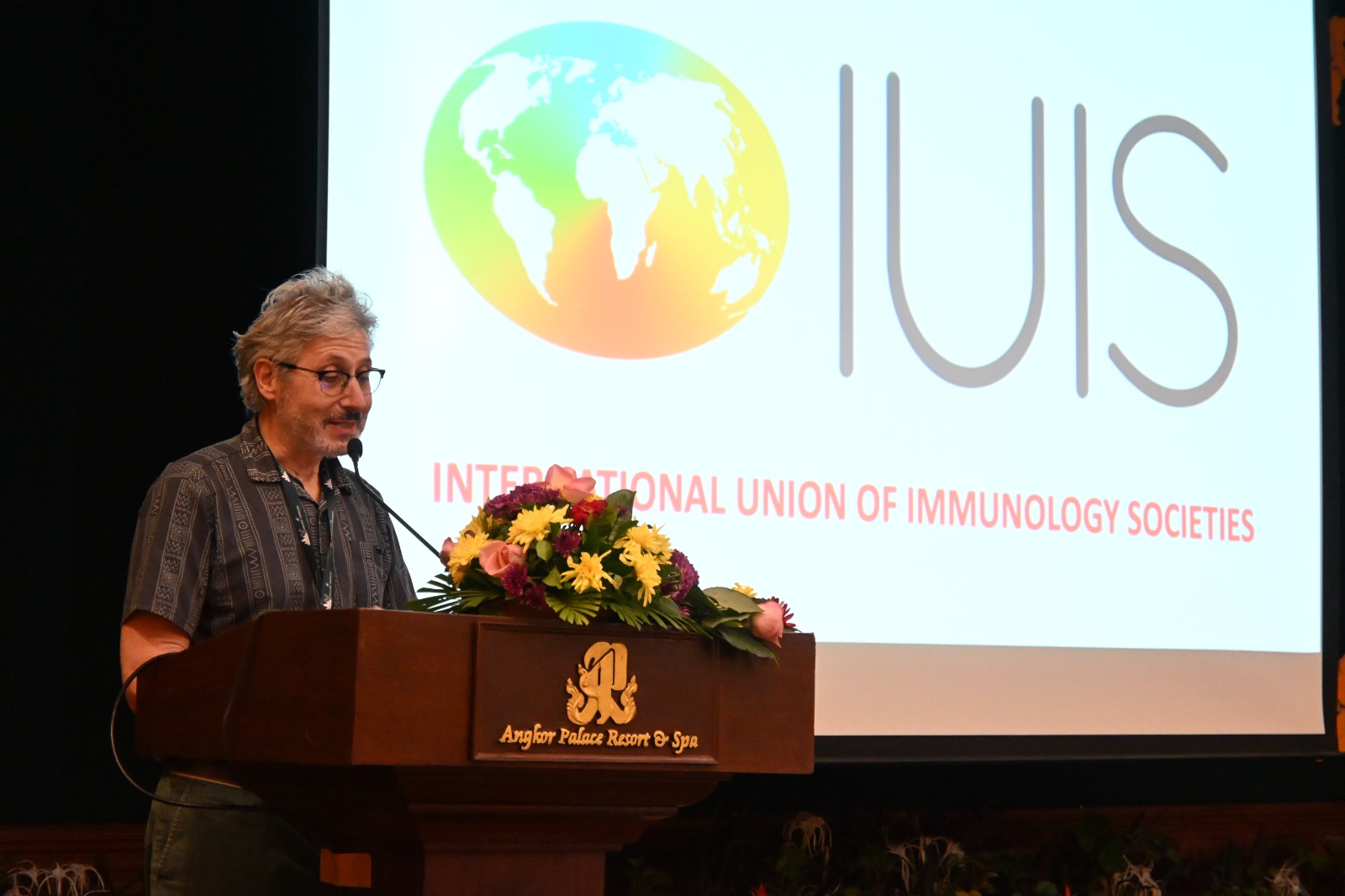
The session continued with Prof. Tineke Cantaert and Prof. Clive Gray, who introduced the International Union of Immunological Societies (IUIS) and led participant introductions. It was enjoyable to learn about everyone’s diverse hobbies, from music and cooking to hiking and running marathons, which created a warm and vibrant atmosphere. Prof. Clive also reminded us to use AI wisely, as a tool to refine text for clarity and structure rather than to generate information.
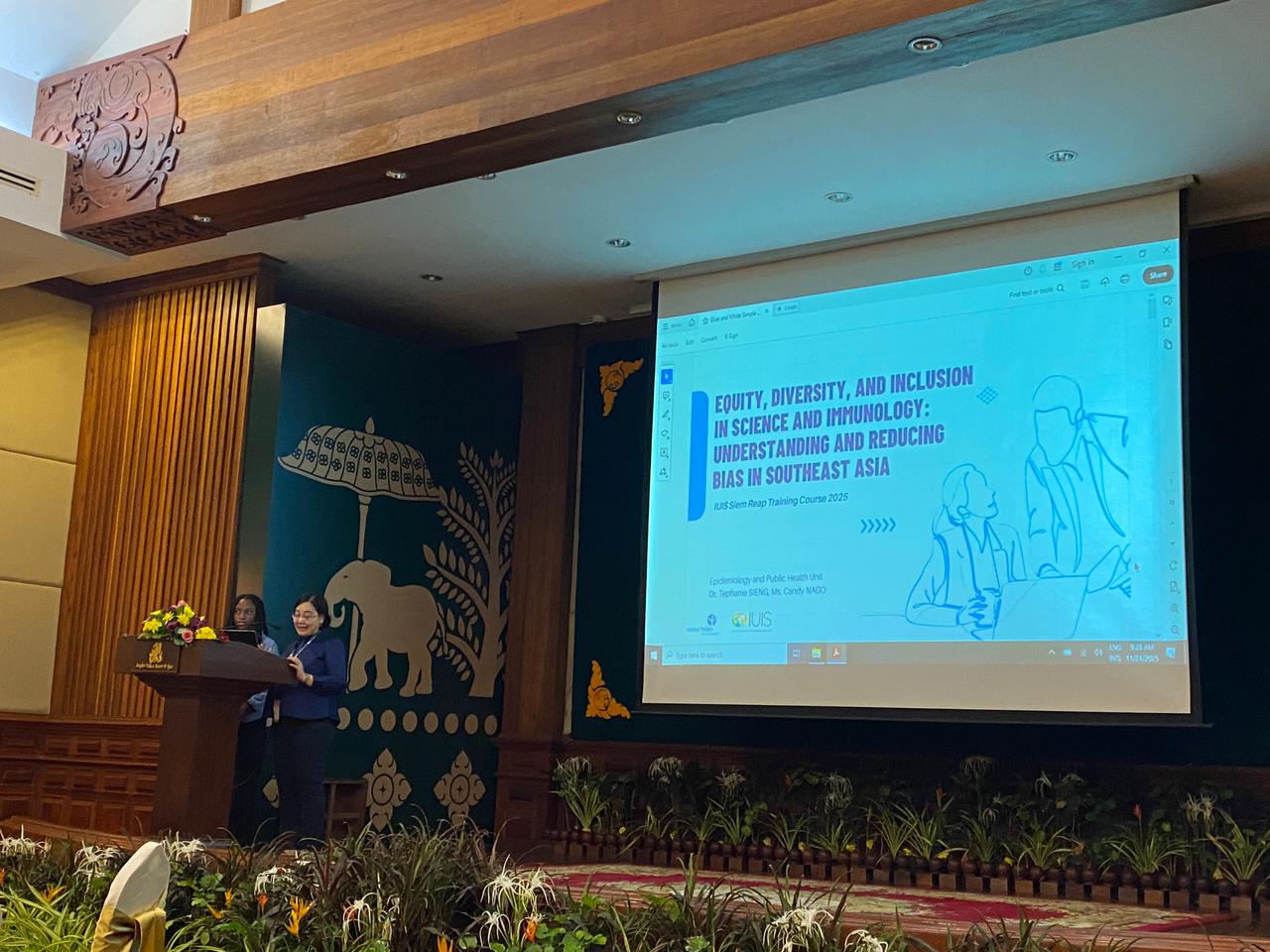
Soft skills: Equity, Diversity, and Inclusion Training – Dr Tephanie Sieng and Ms. Candy Nago
This session, led by Dr Tephanie Sieng and Ms. Candy Nago, aimed to anchor key EDI concepts: Fairness, Implicit Bias, and Representativeness and provide tools for individual decision-making. It emphasised examining who is included or excluded to challenge assumptions and reduce bias. EDI encourages research that is more representative, equitable, and respectful of diverse communities.
During this session, we learn a lot about the fundamental concept of EDI. One of the quotes that is very interesting is “Fairness doesn’t mean treating everyone the same—it means ensuring equal opportunity.” In EDI, we need to use the concept “fair access to all”, not one-size-fits-all”. We should also be aware of invisible forces, such as implicit bias (what your brain decides before you consciously decide), stereotype threat, and structural inequities. It’s important to remember and implement that “Research is never just data – it is always people, and people deserve to be seen fully”.
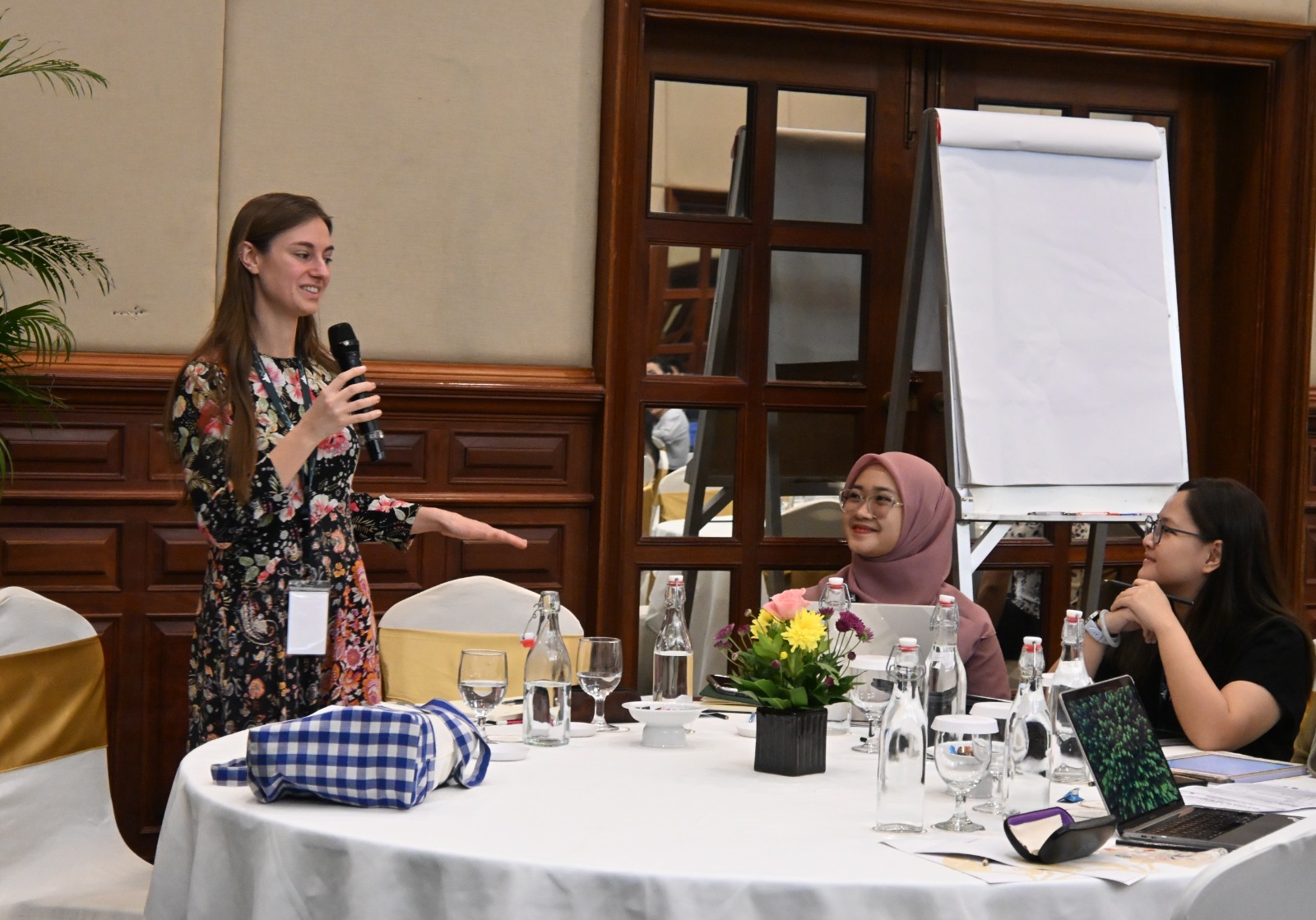
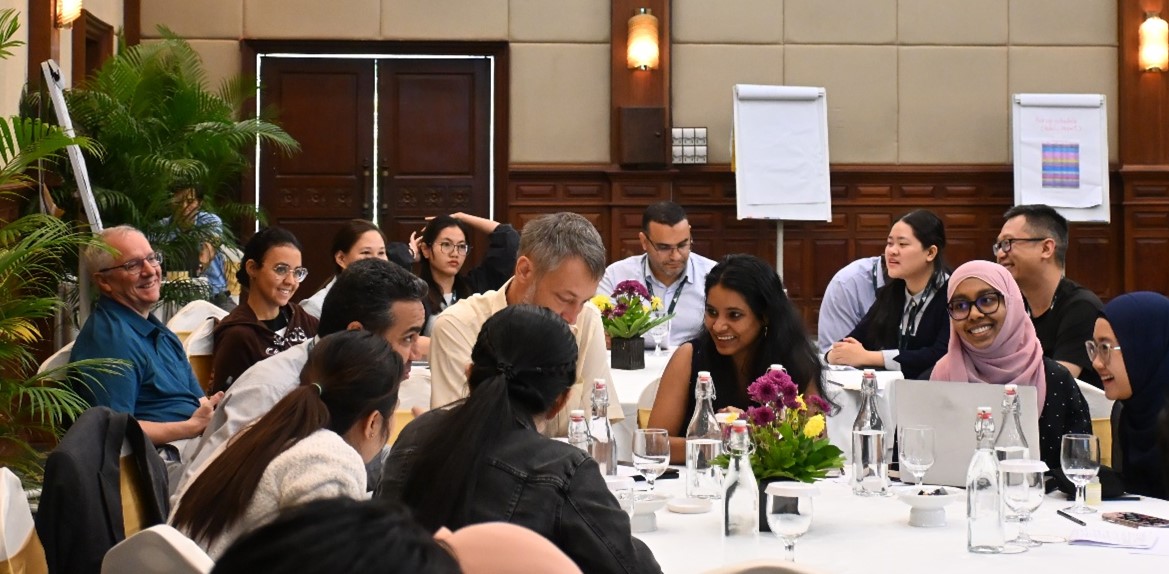
The session closed with a debate and discussion, where we first shared ideas within our tables before presenting them to the larger forum. Each group brought different perspectives, making the debate especially engaging. This exchange enriched our understanding and helped us see issues from multiple viewpoints.
Course Session 1: Introduction to Arboviruses (Virology, Epidemiology, Clinical Signs – Dr Gary Wong
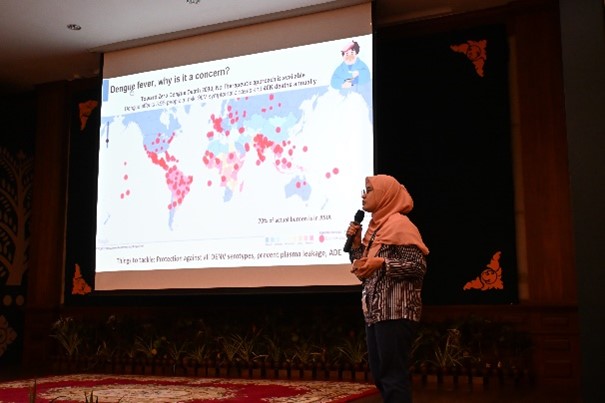
The following lecture was “Introduction to Arboviruses” by Dr Gary Wong, Head of the Virology Laboratory at the Institut Pasteur du Laos. He gave a very comprehensive introduction to Arboviruses. As we all know, Arboviruses are found worldwide, mostly in tropical and subtropical regions. They can cause a very broad clinical spectrum of disease (from asymptomatic to death or long-term effects). There are two main factors behind arbovirus (re)emergence: genetic factors and ecological factors. Humans play an important role in shaping ecological factors through their activities, such as urbanisation, human mobility, trade and transport, as well as climate change.
Until now, vaccines exist for some arboviruses: YFV, JEV, TBEV, DENV and CHIKV, whereas efforts are underway to develop vaccines for other arboviruses, so there are a lot of scientific gaps that we can explore. Until vaccines are available, vector control is the best way to prevent arbovirus infections and disease.
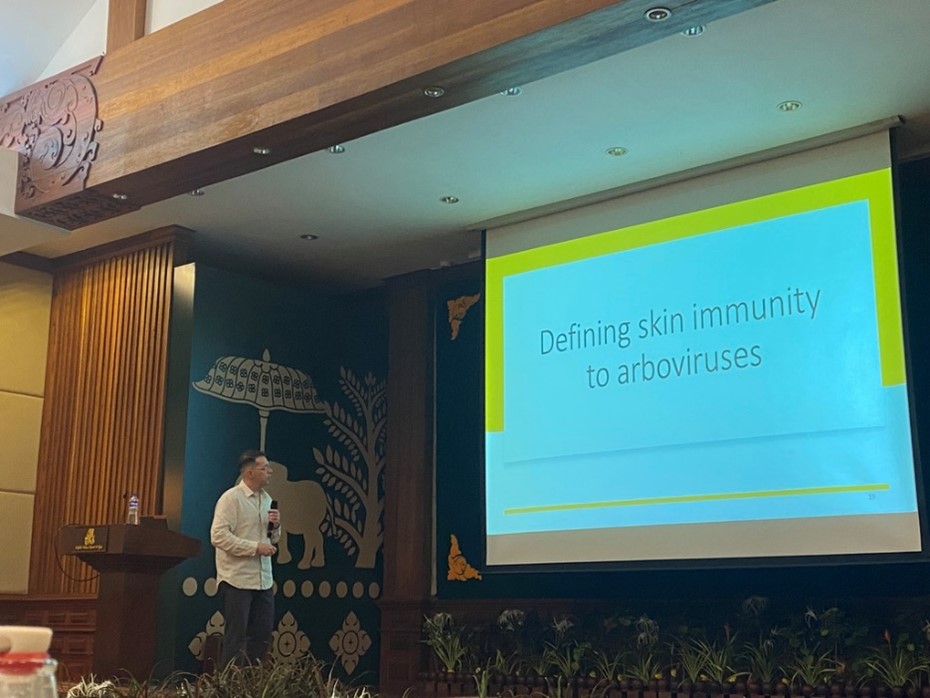
Dr Gary Wong
Dr Gary’s research on the molecular epidemiology of DENV in PDR (2020–2023) showed that DENV-1 and DENV-2 were the dominant serotypes, with notable geographical differences in prevalence. During the discussion, an intriguing question arose: Can some arboviruses be beneficial, or are they all harmful? This led to a broader conversation about whether certain viruses could be engineered or repurposed to aid the study or development of other viruses.
Course Session 2: Immune Response in the Skin to Arboviruses and their Vectors – Dr Fabiano Oliveira
Dr Fabiano Oliveira, an expert from the Laboratory of Malaria and Vector Research, NIAID, NIH, delivered the last session on Monday. His lecture focused on the immune response in the skin to arboviruses and their vectors. He began by highlighting the importance of the skin in immunity, noting that the number of T cells in the skin is roughly double that of those circulating in the blood.
The session was highly insightful and eye-opening. We learned how crucial vectors are in arbovirus transmission and pathogenesis. Vector bites can exacerbate disease severity; vector salivary gland extracts act as neutrophil chemoattractants, drawing neutrophils to the bite site. This creates an environment that allows the virus to infect more immune cells, ultimately enhancing disease progression.
Dr Fabiano Oliveira
Poster Session
At the end of the day, we held a poster session where students could present their research. This session provided an excellent opportunity for everyone to learn from one another, ask questions, and engage in lively discussion. Many participants discovered overlaps in their work, allowing them to exchange challenges, compare approaches, and share insights on how to overcome those obstacles. It was a truly enriching experience for all involved.
Thomas Vallet, a PhD student from Singapore, presented one particularly interesting poster. His work focused on self-amplifying RNA targeting Henipaviruses, and he explained his research very clearly to everyone who visited his poster. His ability to communicate complex science in such an accessible way stood out throughout the session.
On the final day, Thomas was awarded Best Poster Presentation, a well-deserved recognition. Congratulations, Thomas!
Reflections from Day 1
“I would like to share my reflections and key learnings from this program. During the first few days, I was hesitant to speak up or ask questions in the forum. I was afraid my questions might sound “stupid,” or that I would be the only one who didn’t know the answer in this room. Because of this, I chose to ask my questions privately during coffee breaks or poster sessions instead.
One of the most valuable moments was my discussion with Dr Tephanie regarding an EDI-related challenge in my clinical trial research. She listened actively and provided very clear guidance. The key lesson I learned from her is the importance of communication. When working with sponsors or partner institutions, we must openly communicate challenges. And if a particular issue cannot be fully resolved, we should document it clearly in the research report as a limitation. Being transparent about these constraints is a critical part of responsible science.
I also had the opportunity to talk with Dr Gary about spillover events—specifically, how they happen, what factors contribute, and whether genetic similarity plays a role. Our discussion was fascinating. I learned that spillovers are highly complex and multifactorial. It can occur human-to-human, vector-to-vector, or vector-to-human, and many interconnected factors can influence it. Human activities, such as urbanisation, wildlife consumption, and deforestation, play a major role in increasing spillover risk.
These conversations were incredibly valuable and helped me understand not only the scientific mechanisms but also the broader context and the responsibilities we have as researchers. From these discussions, I also learned not to be afraid of asking questions. Every question is valuable and asking them is an essential part of the learning process.” – Aisya Alma Asmiranti Kartika
Immuno-Cambodia 2025: Day 2 Summary – Ngu Abanda
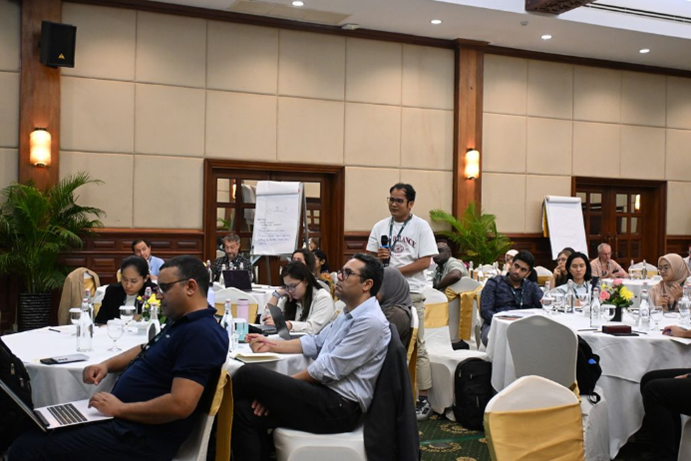
Day 2 sessions provided a rich overview of how different components of the immune system contributed to limiting infection, causing pathology, clearing the virus and mounting protection. To unpack this complex web of immune responses and immune pathology, the course instructors presented a wealth of information and evidence from both animal and human studies. The information was well organised to facilitate understanding, and students were constantly prompted with questions, especially on how different aspects of the immune system could be harnessed to develop immuno-therapies or vaccines against arboviral infections.
Course Session 3: Innate Immune Responses During Arbovirus Infection – Prof. Ashley St John
After providing a brief overview of what constitutes the innate immune system and the different cell types involved, Prof. Ashley St John then focused her presentation on the role of two innate cells – mast cells and natural killer T cells during Dengue infection. These two innate immune cell types play a key role in the early activation of the immune system, prior to symptom onset, and in shaping immune polarisation that determines disease outcome, from resolution to severe infection. At the end of this session, students were prompted to discuss how the innate immune system could be modulated for vaccinal immunity.
Course Session 4: T Cell Responses to Arboviruses – Prof. Daniela Weiskopf
Prof. Daniela Weiskopf began by reminding everyone of the global interest in arboviruses and encouraging students to consider arbovirology as an important academic field. This was followed by a brief presentation of the adaptive immune system, with emphasis on T cells and methods for assessing T cell types and responses. Using Dengue and Chikungunya as examples, she then highlighted the role of T cells in modulating infection outcomes. In effect, infection with an arbovirus results in multiple outcomes (asymptomatic, apparent infection, mild disease or severe disease). Using data from her research and others, she demonstrated how HLA types and CD4 T cells impacted disease outcome in Dengue and Chikungunya patients, respectively.
Course Session 5: B Cell Responses to Arboviruses – Dr Candice Bohaud
The third and last session of the day, titled “B cell responses to arboviruses and mAbs against arboviruses”, was led by Dr Candice Bohaud. She provided an overview of B cell development, maturation, and function, and then proceeded to discuss B cell dynamics during dengue infection. In presenting B cell dynamics during dengue infection, she discussed important concepts such as the plasmablast response, antibody-dependent enhancement, memory B cells, antibody types, and the viral target of antibodies. The highlight of this session was the development and engineering of monoclonal antibodies for therapeutic and preventive purposes against arboviral infections. Supplementary information on monoclonal antibody development for an arboviral infection -Crimean Congo Hemorrhagic fever was presented as a poster during the poster session.
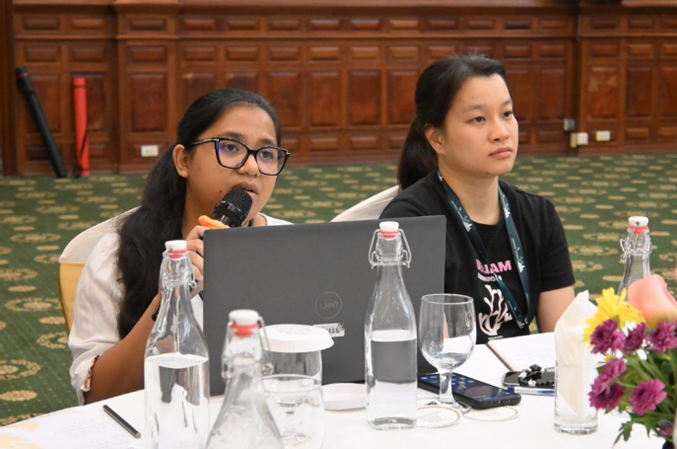
Students highly appreciated the course sessions, highlighting the interactive teaching approach and the strong engagement between instructors and participants.
Reflections from Day 2
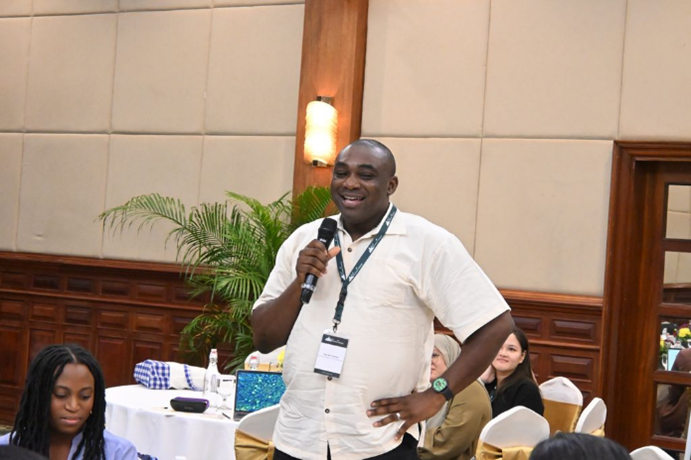
“The concepts were nicely diluted for me with very limited knowledge and background in immunology to fully understand” – Khalil
“I liked the idea of harnessing our understanding of the immune system to design vaccines. That aspect gave me so many ideas I would love to experiment with” – Ngu Abanda
Immuno-Cambodia 2025: Day 3 Summary – Nor Azila Muhammad Azam
Angkor Wat, Ta Prohm, Bayon Temple and Arboviruses
In the early morning of 26th November, all the participants woke up early just to catch a glimpse of sunrise in Angkor Wat. The symphony of colour and rays of light before the sun rises on the horizon with the Angkor Wat stands majestically is a feast to the eyes. The trip to Angkor included a visit to Angkor Wat, Ta Prohm and Bayon Temple. Angkor is the most significant archaeological site in Southeast Asia and the legacy of the Khmer Empire (9th–15th centuries). Angkor Wat, originally built as a Hindu temple dedicated to Vishnu by King Suryavarman II, was later converted into a Buddhist temple under King Jayavarman VII. Its bas-relief “The Churning of the Ocean of Milk,” inspired by the Mahabharata, depicts the battle between the gods (Devas) and the demons (Asuras) for the elixir of immortality, whose symbolic presence is also reflected at the entrance to the Bayon Temple.
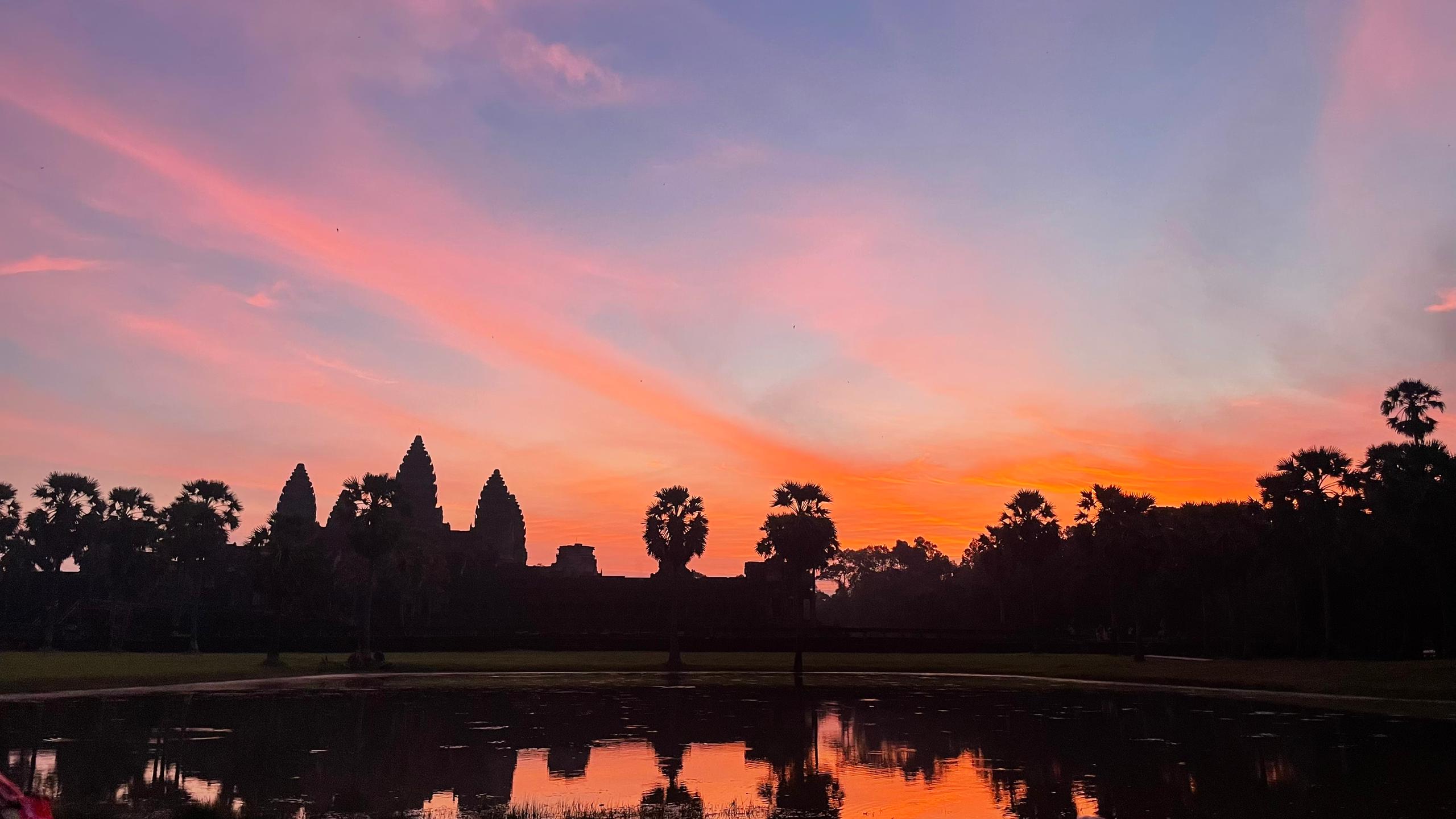
Sunrise at Angkor Wat
Angkor Wat symbolised power and Hinduism, serving as a sacred complex built to glorify the Khmer king. During the Khmer Empire, society was stratified into the royal family, government officials, and common citizens, with access to Angkor Wat strictly determined by social status. Another fun fact relayed by the tour guide was that education was given to both males and females, but the classroom was separated by gender. Upon leaving the Angkor Wat site, one cannot help but wonder whether there were any ancient Khmer records of diversity, inclusivity, and equality in the empire.
The next temple visit is the Ta Prohm, also known as Tomb Raider temple, due to its association with the movie Lara Croft: Tomb Raider. The magnificent sight of trees growing from the ruins shows how nature works. Apart from the Ta Prohm distinctive feature of tree growing out in the ruins, the scripture in the wall, “The dinosaur of Ta Prohm”, depicts the dinosaur, making one wonder about the Khmer empire. The last temple is the Bayon temple, the temple with a multitude of serene and smiling stone faces of Brahma. At the end of the visits, all the participants were able to learn the history of the Khmer empire, the war that happened and how it shaped the current Cambodia.
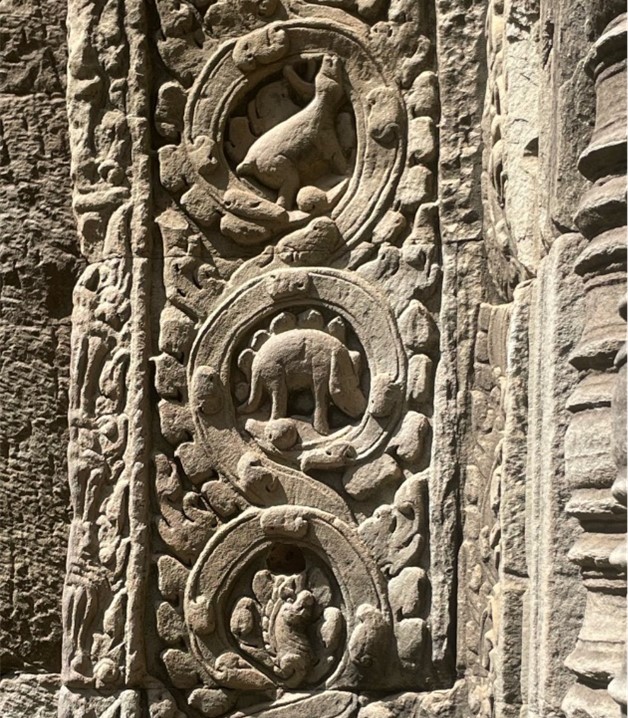
The dinosaur of Ta Prohm
Reflections from Day 3
“Honestly amazed. The sunrise was so beautiful, and seeing those beautiful historical buildings still standing after so many centuries was incredible” – Kim Ling
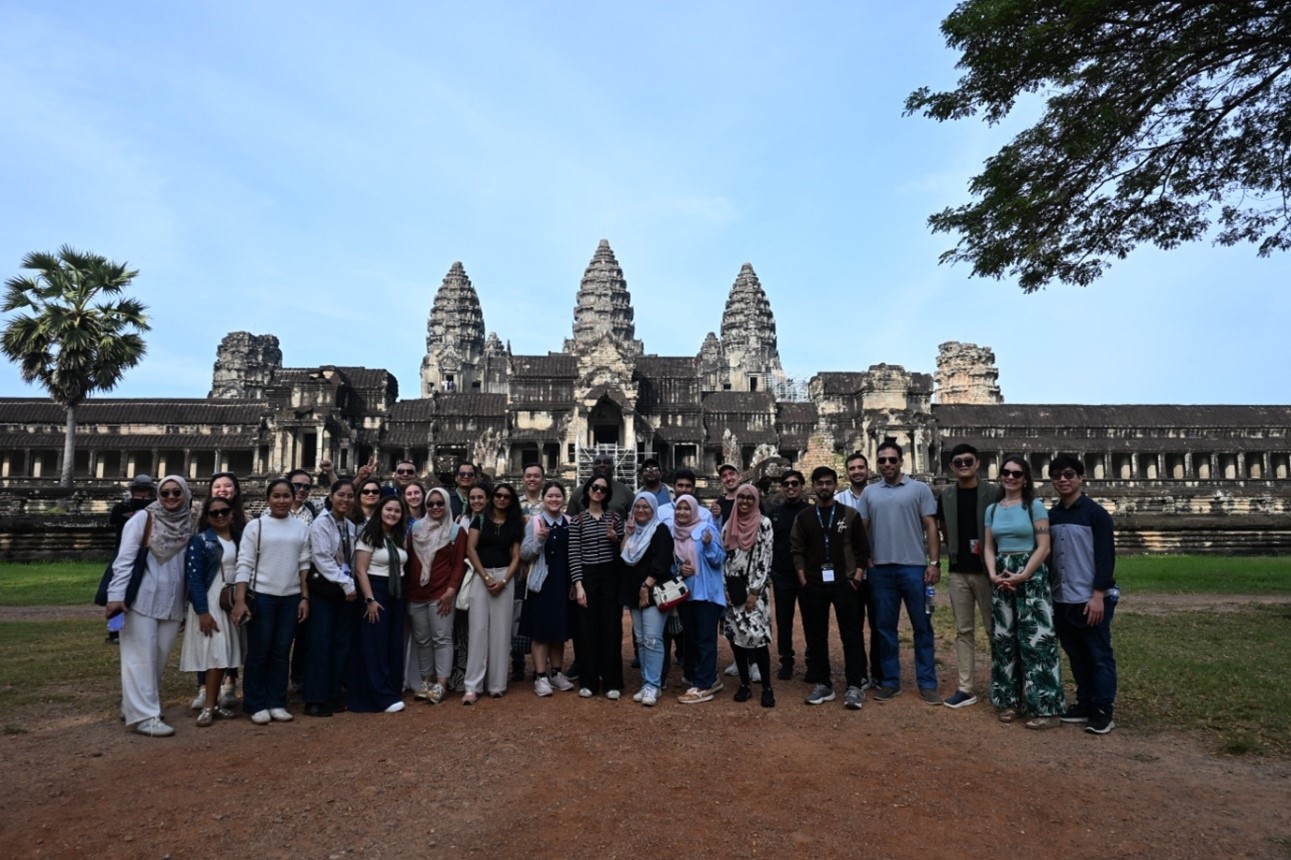
All the students of Immuno-Cambodia courses happily smile during the tour to Angkor
After having enough rest, the day continued with two more lectures.
Course Session 6: Ade and Effector Functions in the Context of Arbovirus Infection – Prof. Stylianos Bournazos
The first lecture by Prof. Stylianos Bournazos taught us about the function of antibodies, antibody-dependent enhancement in dengue, IgG-mediated signalling, afucosylated IgG, and the revised model of dengue ADE.
While neutralising antibodies block viral entry, non-neutralising antibodies can promote antibody-dependent enhancement (ADE). Although neutralisation relies on the Fab region, antibody efficacy in vivo is largely determined by Fc-mediated effector functions, shaped by IgG subclass and Fc glycosylation. In a dengue infection, prior exposure and Fc afucosylation are strongly associated with disease severity through enhanced FcγR engagement and amplified inflammation, highlighting the critical role of Fc properties in pathogenesis and vaccine design.
Course Session 7: Serological Surveillance of Arboviruses – Prof. Mostafa Salehi-Vaziri
Prof. Mostafa Salehi-Vaziri gave the second lecture. In this lecture, students were introduced to the importance of surveillance in managing arboviruses. At the end of the lectures, students had a better understanding of antibodies’ functions and the importance of surveillance in arbovirus research.
Immuno-Cambodia 2025: Day 4 Summary – Shweta Chelluboina
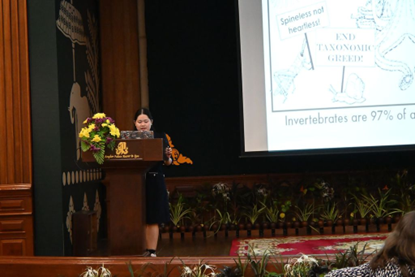
Facilitator: Thu Nguyen (participant), a medical doctor at the Pasteur Institute of Vietnam.
Course Session 8: Immune Responses to Arboviruses in the Mosquito Vector – Prof. Dr. Maria Carla Saleh
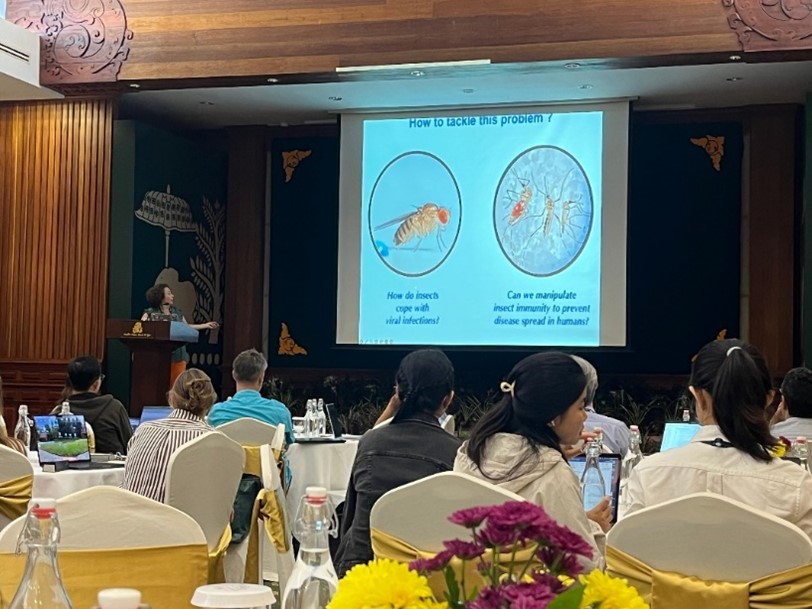
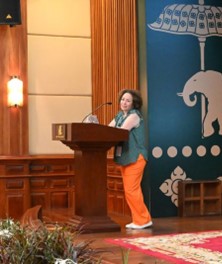
Prof. Dr. Maria Carla Saleh, Institut Pasteur of Paris, Viruses and RNA Interference Unit, Université Paris Cité, Paris, France
Prof. Dr Maria Carla Saleh vibrantly started off the session on intricate RNAi-mediated antiviral immune mechanisms in insects. She emphasised that several insect species can serve as models to understand small RNA mechanisms. She also discussed the applications of manipulating insect immunity to prevent disease spread in humans and the use Drosophila melanogaster insects as a practical model organism. In RNAi, the dsRNA mediates specific gene silencing at a post transcriptional level and three types of small RNAs – siRNA, miRNA and piRNA influence pathogenesis. She further discussed her lab’s focus on understanding how insects remain unaffected by viral infections and on using this knowledge to protect humans from viral infections.
Course Session 9: One Health Approach for the Control of Arbovirus Infections – Dr Sebastian Boyer
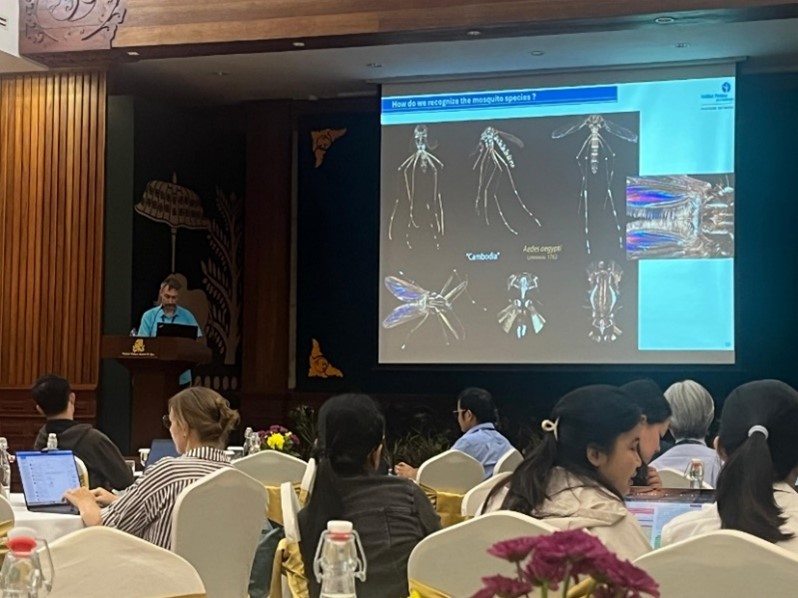
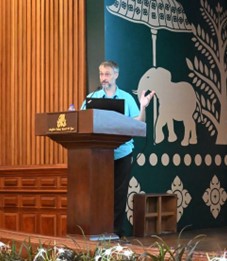
Dr Sebastien Boyer, Head of Medical and Veterinary Entomology Unit, Institut Pasteur du Cambodge
Dr Sebastian Boyer shed light on the importance of understanding the disease-causing vector population that bridges humans, animals, and the environment. He pointed out that the definition of One Health is evolving as our understanding of disease ecology improves. Newer approaches, such as light traps and BG-sentinel traps, were incorporated in his entomological mapping study to understand vector distribution, expansion and the pathogens they carry. He emphasised that adopting a One Health approach is particularly relevant for tackling arbovirus infections and for strengthening the country’s efforts to prevent further risks from vector-borne infections. He underscored the application of a machine learning model developed from his collected data to identify new species.
Course Session 10: Immune Evasion Mechanisms Employed by Arboviruses – Prof. Osamu Takeuchi
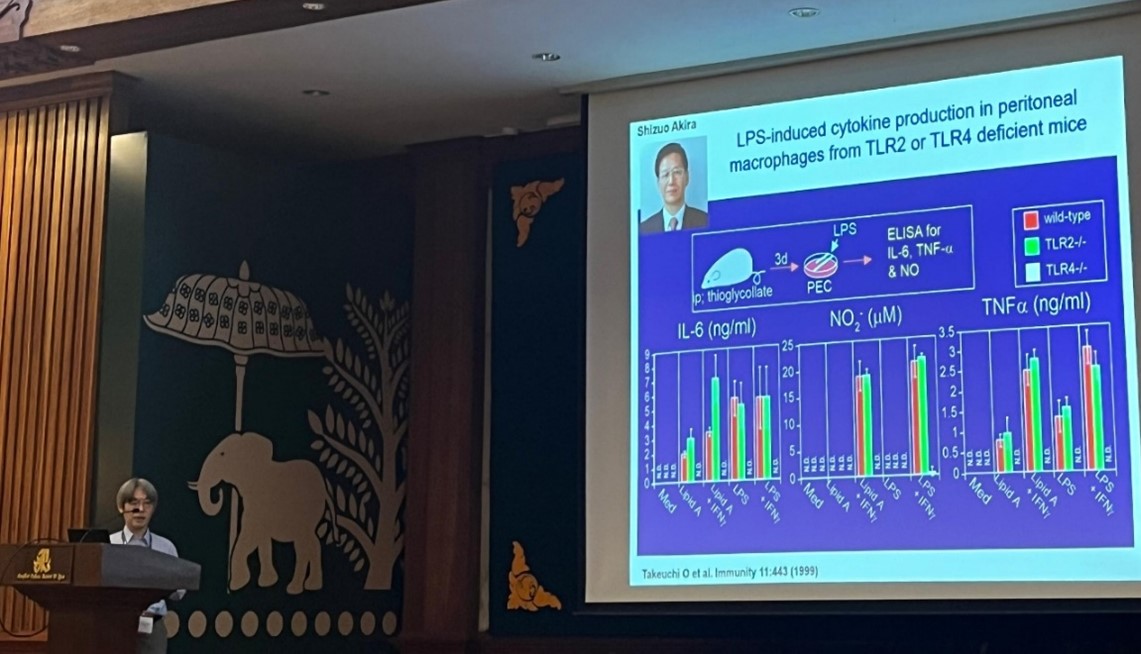
Prof. Osamu Takeuchi, Department of Medical Chemistry, Graduate School of Medicine, Kyoto University
Prof Osamu Takeuchi deep dived into the different pathogen recognition receptors and the role of Toll-like receptors in sensing viral nucleic acids. He engaged the students in discussing possible immune evasion mechanisms of Dengue, Zika, and West Nile viruses. He shared some of the insights from his lab’s work focused on innate immune sensing of SARS-CoV-2 virus and how regnase-1, abundant on neutrophils, is involved in resolving inflammation. He also touched upon how trained immunity, i.e., re-stimulation, induces epigenetic modifications and metabolic programming leading to an enhanced antiviral response.
Grant Writing Workshop
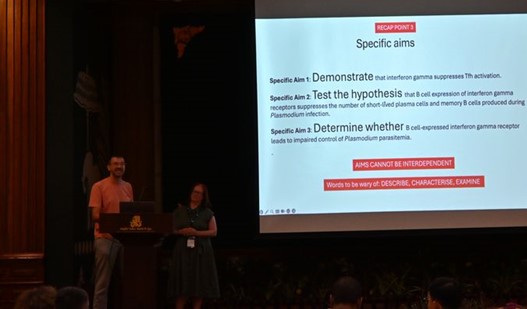
Dr. Tracey Lamb, Professor at Department of Pathology, University of Utah and Mr. Alexander Madgwick, European Patent Attorney
We proceeded to work on our grant-writing presentations as groups. Dr Tracey Lamb and Mr Alexander Madgwick walked us through the steps required to write a grant.
Poster Session 2
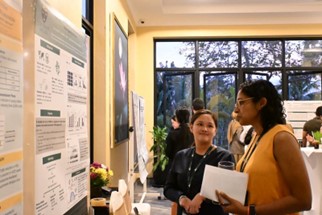
The last part of the session featured posters from different students, who shared and discussed their work. The poster sessions helped us, fellow students, to exchange a deeper understanding of each other’s work.
Day 4 Reflections
“As a young researcher fresh out of a PhD, I would like to share my personal reflection on attending the IUIS Immuno-Cambodia 2025 course. I started my PhD work in a small non-profit organisation with limited funding. On being selected for Immuno- Cambodia 2025, including travel support, I was excited to travel internationally for the first time and meet scientists from across the world whose work I admire most. In a span of 7 days, I made new friends and connections and engaged in discussions on challenges in working with arboviruses, particularly dengue. The conference room was filled with curious, like-minded people who encouraged and appreciated asking questions and promoting arbovirology. I was happy to receive suggestions from faculty and fellow students on how to generate a novel idea, work through each step in building a methodology, and emphasise critical points during the presentation. I also had the opportunity to represent my lab on a global platform and share our work. On receiving the first Best Poster Award for my work and third place in the Grant Writing activity, I understand that appreciation in any form really goes a long way. I am grateful that the faculty recognised every student’s work and empowered us all to shape a better future.
With so many individuals from different parts of the world, irrespective of age, gender, or religion, uniting to discuss solutions to tackle viral infections, it truly represents Immunology Beyond Borders.
As I return to my country, I feel better equipped with insights from the meeting and a heightened enthusiasm towards strengthening my research on viruses.” – Shweta Chelluboina
Immuno-Cambodia 2025: Day 5 Summary – Johanna Bouckaert
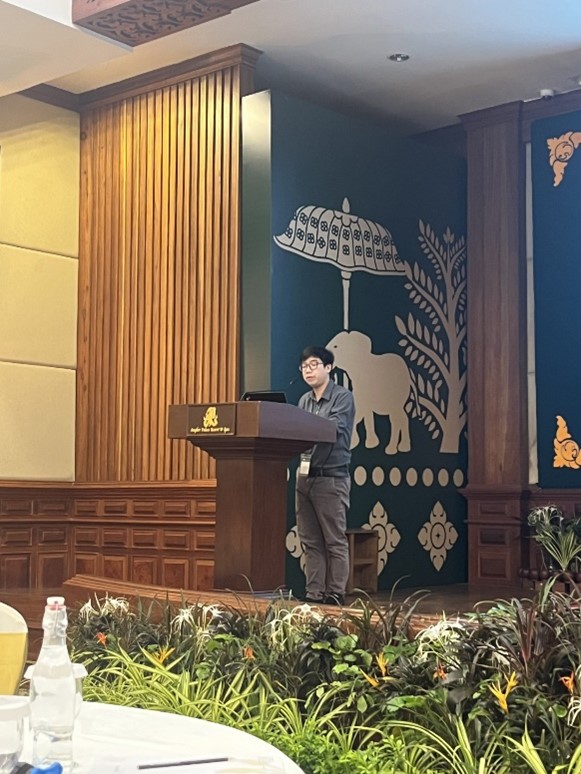
Facilitator: Sophana Chea (participant), PhD researcher and research fellow at National Institute of Allergy and Infectious Diseases, NIH, based at the international centre of excellence in research in Cambodia.
Course Session 11: Comorbidities and Impact of Genetic Background on Arboviral Diseases – Prof. Neelika Malavigne
On Friday, we began with a lecture by Professor Neelika Malavige on her research at the University of Sri Jayewardenepura, Sri Lanka, exploring how underlying health conditions influence disease severity. She emphasised that correlation should not be mistaken for causation, yet careful study of correlations can still teach us a great deal. We learned that comorbidities are closely associated with severe secondary dengue infections. In Sri Lanka, rising dengue cases coincide with increases in diabetes, obesity, and other metabolic disorders, especially obesity, which is linked to more severe disease. Knowing about these comorbidities helps clinicians use biomarkers for risk assessment, patient triage, and timely treatment. Professor Malavige’s team also investigates mechanisms of causation: One focus is whether the NS1 protein interacts differently with HDL and LDL. Evidence suggests HDL may be linked to a higher risk of severe disease, while NS1–LDL interactions affect inflammatory pathways, including IL-1β production.
The work presented by Professor Malavige was further highlighted by two members of her lab who also attended the course and showcased their research during the poster session on Thursday. Heshan Kuruppu, a PhD researcher, presented his work on the functional and phenotypic profiling of T cells in patients with varying severities of acute dengue and differing metabolic status. Shyrar Tanussiya shared her analysis of risk factors for secondary dengue infections using data from a longitudinal community cohort in Colombo, Sri Lanka.
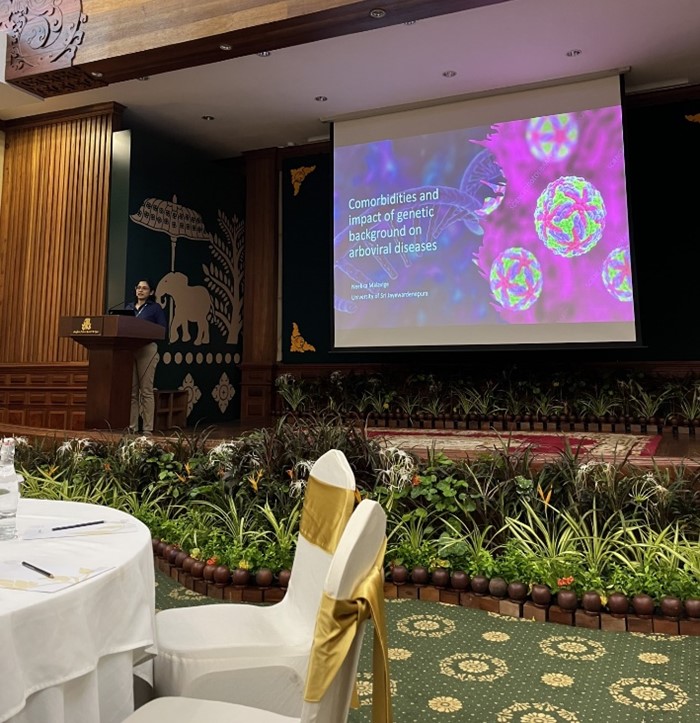
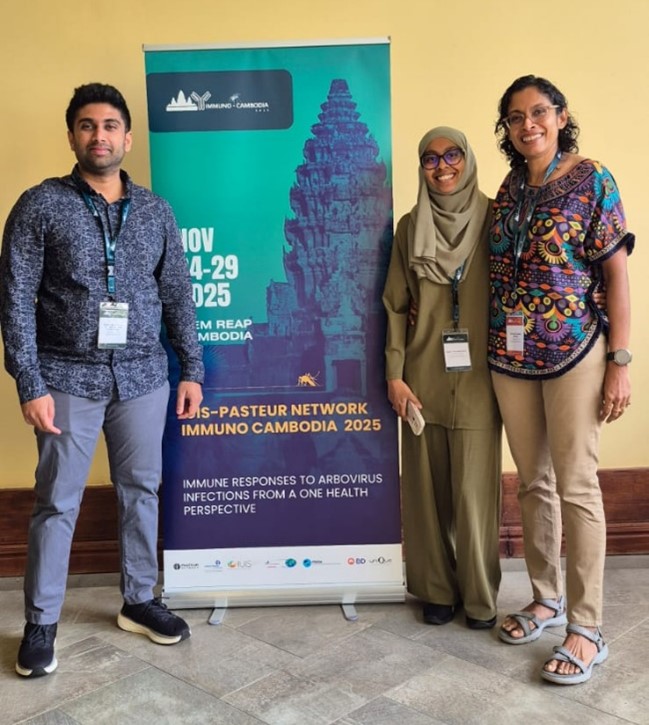
Professor Neelika Malavige, Heshan Kuruppu and Shyrar Tanussiya – PhD researchers
Course Session 12: Novel Insights into Immune Responses to Pathogens through Studying Inborn Errors of Immunity – Prof. Ridha Barbouche
Prof. Ridha Barbouche, a Professor of Immunology at the University of Tunis El-Manar, renowned for his work on primary immunodeficiencies and host–pathogen interactions, delivered the second session on immune-mediated diseases, drawing directly on his research into inborn errors of immunity (IEIs). He opened the lecture by highlighting how significant scientific advances often arise from curiosity and cross-disciplinary thinking, setting the stage for a discussion on why individuals vary in susceptibility to infection. The lecture introduced immunodeficiencies – either inborn, caused by inherited single-nucleotide variants, or acquired, as in HIV – and explained how IEIs disrupt specific components of the immune system, leading to diverse clinical outcomes. One key example discussed was the link between severe COVID-19 and weak type I interferon responses, suggesting that interferon treatment could benefit some patients.
The session also showed how long-term viral infections in people with weakened immunity can lead to more dangerous virus strains, making disease control harder, as seen with poliomyelitis and oral vaccines. Case studies, including mycobacterial disease and candidiasis, further demonstrated that genetic changes in immune pathways, such as STAT1, can shape disease development.
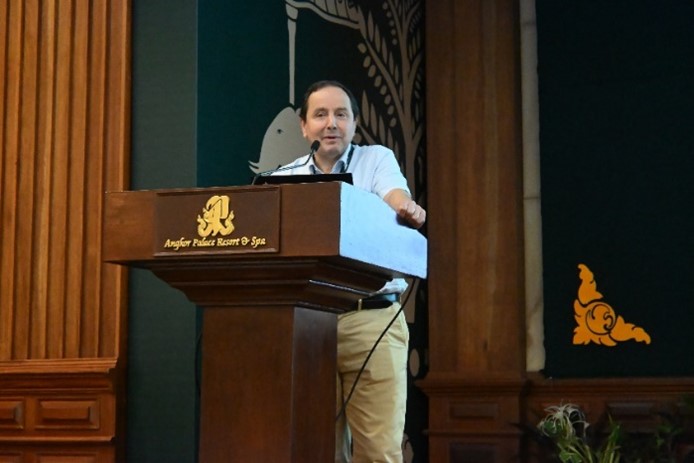
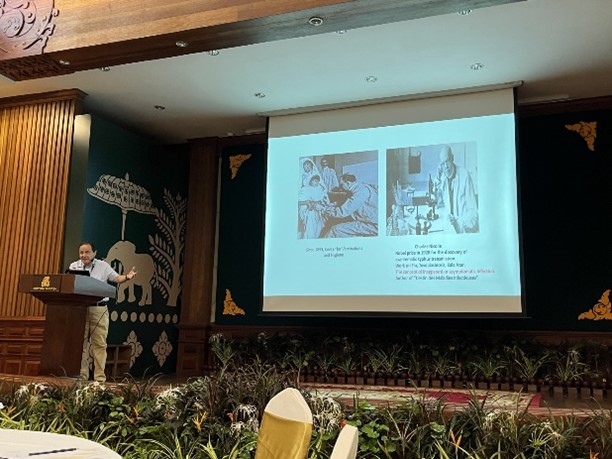
Prof. Ridha Barbouche
Grant Writing
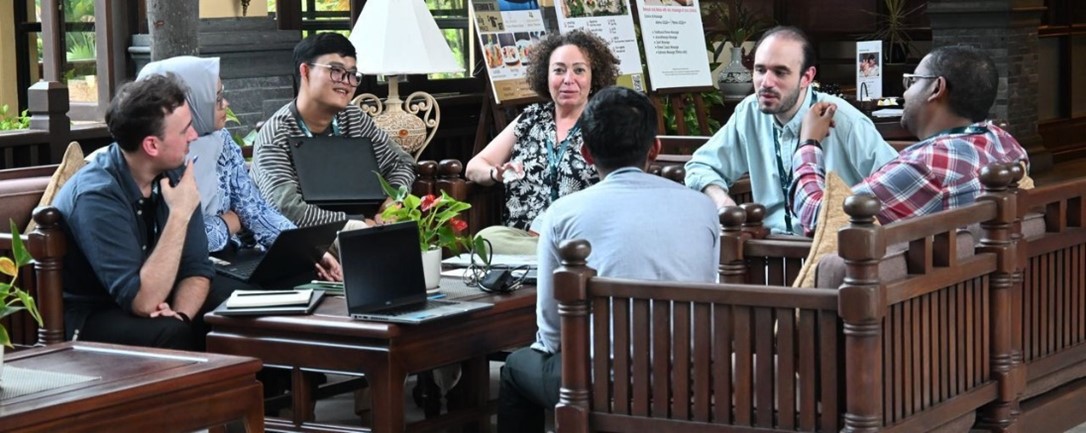
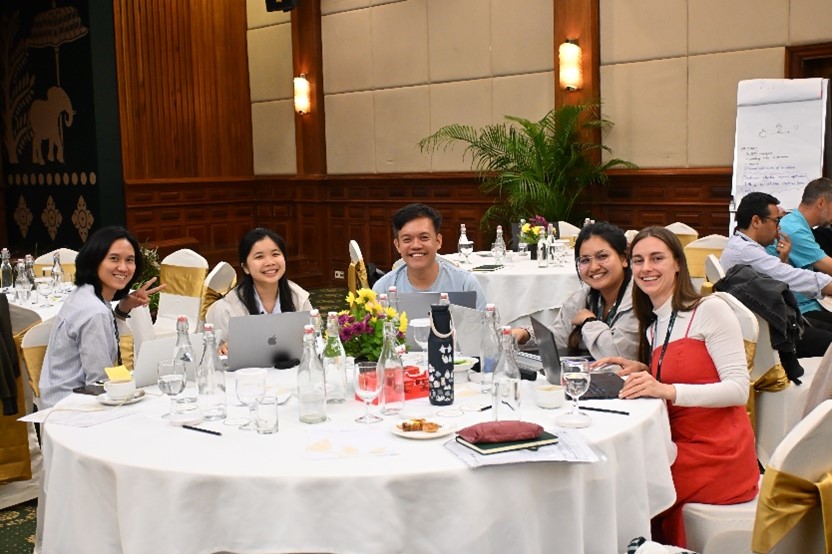
In the afternoon, participants focused on their grant proposals. They finalised their slides, selected the presenter or presenters, and practised by challenging each other with Q&A. Some groups continued working late into the night, fine-tuning their presentations for the big day tomorrow.
Day 5 Reflections
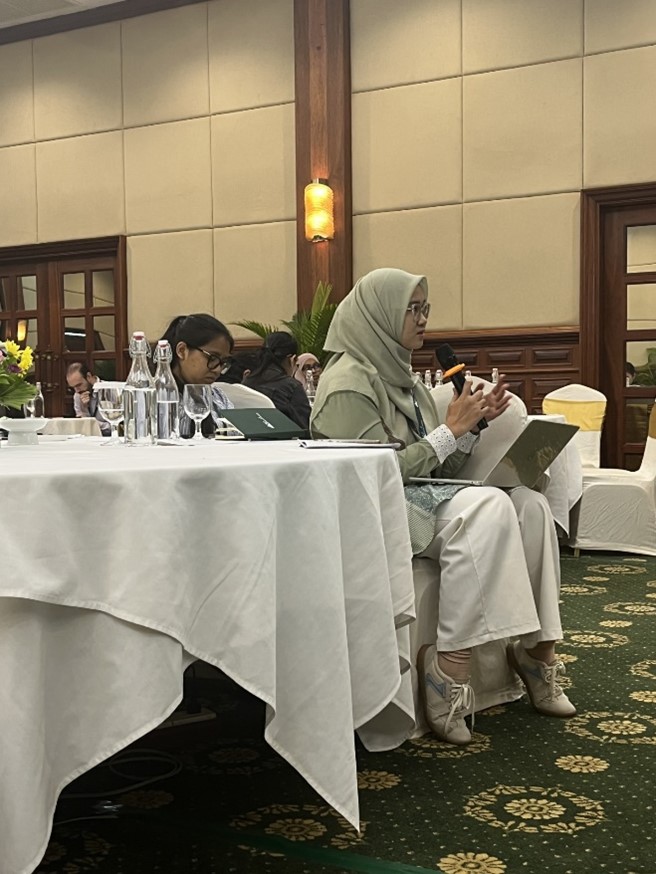
“I would like to highlight an experience with participant Aisya Alma Asmiranti, an Indonesian researcher and my roommate for the week. The evening before these sessions, Alma shared that she noticed my courage in asking questions during lectures, but she felt hesitant to speak up, fearing mistakes or “stupid” questions. I explained that I sometimes feel the same but reminded her that everyone has questions and that asking them is part of learning. The following day, to my surprise, she raised her hand during Professor Barbouche’s lecture and asked a very relevant question. The professor was very happy to answer and to discuss further. Afterwards, she told me she was glad she had spoken up and that it had been easier than she expected. In the remaining sessions, she participated actively several times, becoming visibly more confident. This experience demonstrated how support and open discussion can promote personal growth and encourage participants to engage in a safe and supportive environment.” – Johanna Bouckaert
Immuno-Cambodia 2025: Day 6 Summary – Diary Juliannie Ny Mioramalala
The last day of Immuno-Cambodia 2025
Grant Writing Workshop: Proposal Presentations
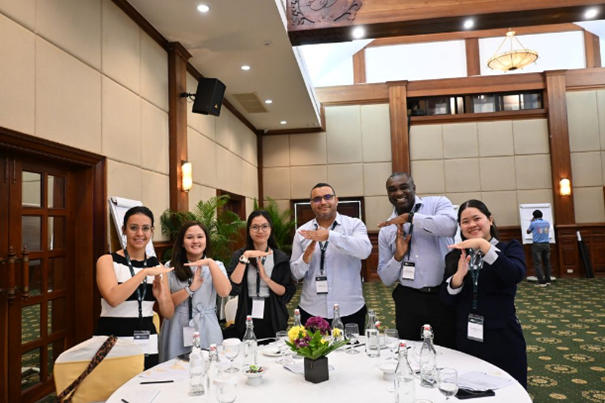
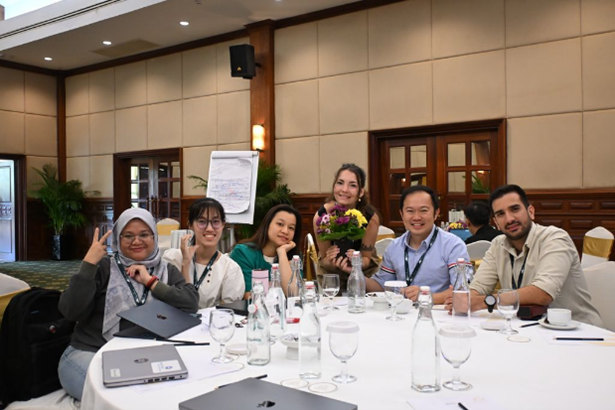
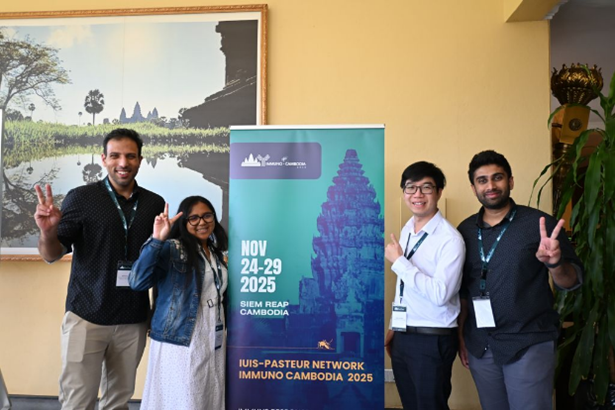
The day started with the grant-writing presentations, and the energy in the room was palpable from the start. A mix of excitement and nervous anticipation could be felt as each group gathered closely with their mentor, putting the final touches on their presentations and getting ready to reveal the results of their efforts.
This was followed by a feedback session on grant writing. The students spoke openly and expressed how delighted they were to have taken part in the activity, while the mentors, in turn, shared their own experiences and insights from guiding the groups.
Grant Writing Workshop Reflections
“I had to stop accepting only what I know and try to look at things from other people’s perspectives—including the reviewers’ point of view.”
“We had people with different expertise, and everyone contributed. That was really, really nice.”
“We have different backgrounds, and we had to be patient and hear other people’s ideas to build the final version together.”
“This was a brilliant soft-skill exercise: bringing together different expertise to focus on one single idea.”
“As a mentor, it’s very nice to see where the students begin and where they finish.”
“Without stress and pressure, we will never grow.”
The afternoon unfolded through two inspiring sessions that linked scientific discovery with real-world impact.
Course Session 13: Therapeutics and Vaccine Development – Prof. Suresh Mahalingam
Prof. Suresh Mahalingam shared the story of his path from student to leading virologist, illustrating how years of work led to licensed vaccines and therapeutics. Using a GFP-tagged alphavirus model, his team uncovered how Chikungunya and Ross River target joint tissues, guiding drug development. After multiple setbacks, an unexpected treatment—Pentosan polysulfate—proved effective and is now approved in Australia. His perseverance also pushed vaccine development for Chikungunya and Zika into clinical trials, reinforcing his message on the power of collaboration.
Course Session 14: Human and Animal Models for Arbovirus Immunopathology – Dr Fabiano Oliveira
Dr Fabiano Oliveira highlighted the limitations of animal models and introduced Controlled Human Infection Models (CHIMs) as a faster way to evaluate vaccines when outbreaks are unpredictable. Examples like the dengue DENV-2 Δ30 challenge model and emerging Zika models showed how controlled infections can accelerate progress, though not without ethical questions. Several raised concerns about compensation and fairness. Does paying volunteers create the risk of exploiting those with fewer financial options? Why do high-income countries often pay far more than studies conducted in low- and middle-income settings? Would CHIMs become a way for wealthy nations to shift research burdens onto poorer populations?
The session wrapped up not with technical conclusions, but with that reminder: keep thinking, keep questioning, keep balancing scientific progress with human responsibility.
Certificates and Awards Ceremony
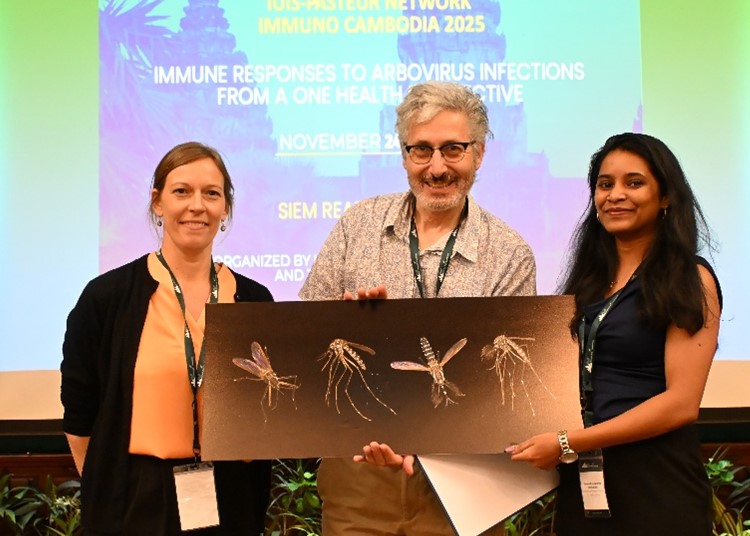
The day ended with certificate and award celebrations. The winners for the grant writing workshop were Group 7, who presented a project titled “Understanding the Mechanisms of Neuroinvasion during Tick-borne Encephalitis Virus (TBEV) Infection.” Their research focused on how TBEV invades the nervous system. They hypothesise that TBEV disrupts the integrity of the blood-brain barrier by triggering inflammatory responses.
Poster prizes were also presented; the winners were Thomas Vallet and Shweta Chelluboina, as mentioned above.
All participants received an attendance certificate as well.
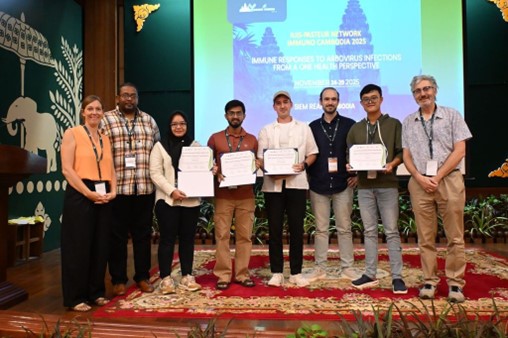
Team 7 – Grant winners
In the evening, we had the wonderful opportunity to attend a gala dinner filled with an authentic local atmosphere!
Day 6 Reflections
“In the afternoon, we dove into our final training sessions — undoubtedly the most impactful ones. Throughout the week, we explored the foundations of science, but today everything came together. The most important takeaway was understanding that the models used in science have been developed over many years, giving us invaluable tools to better understand diseases and make real progress. While ethical questions remain challenging, these models offer a crucial foundation for advancing research with perseverance and care.
The atmosphere in Cambodia was vibrant, the human interactions inspiring, and a strong network naturally emerged from our discussions. I’m confident that this connection will be the starting point of great collaborations and a real boost for arbovirus research. “ – Diary Juliannie Ny Mioramalala
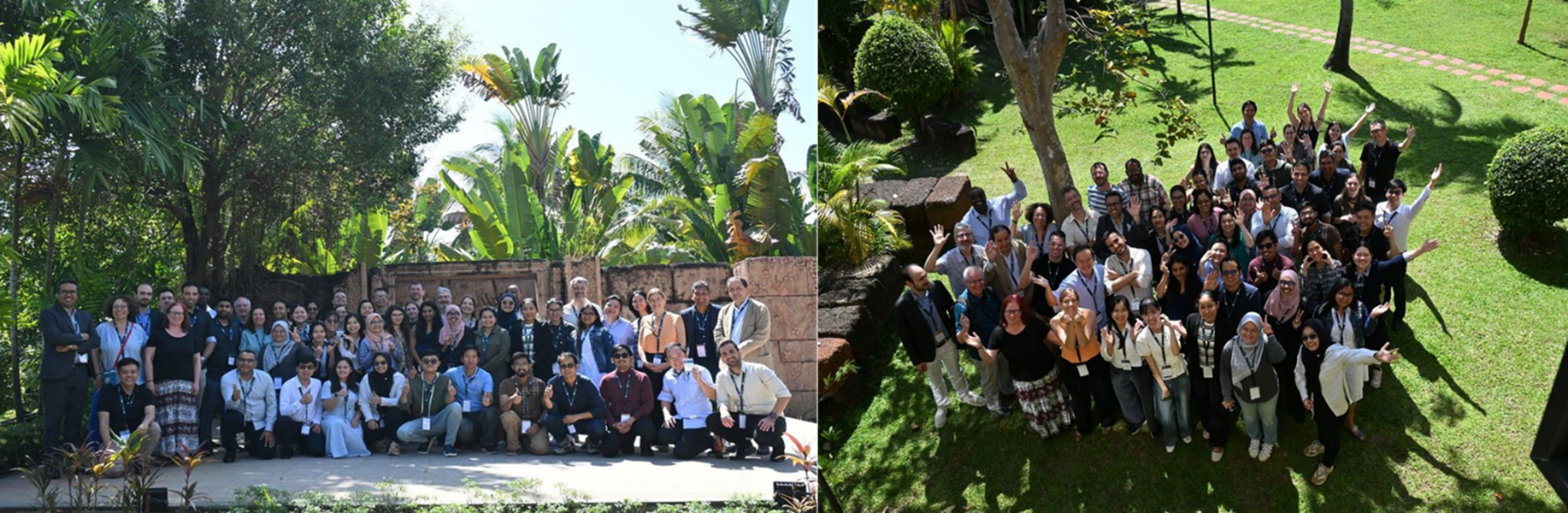
End-of-session group photo
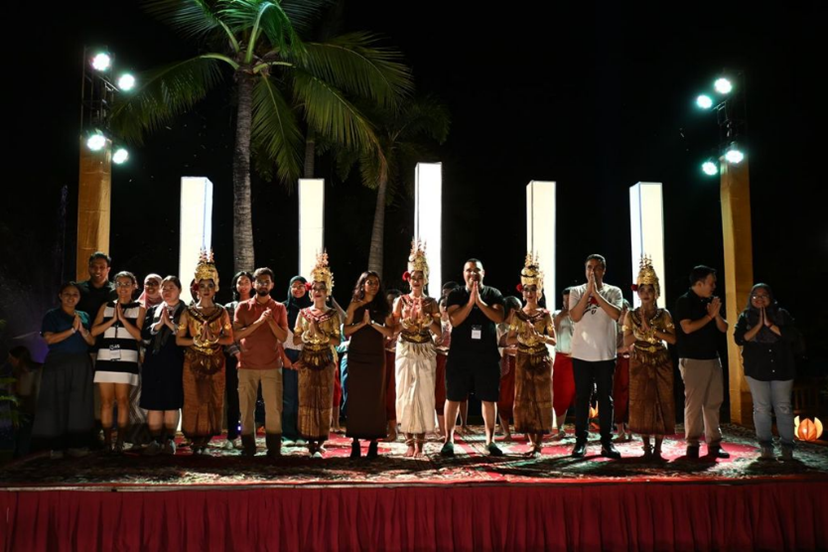
Participants with traditional gala dinner dancers
Report compiled by Diary Juliannie Ny Mioramalala and edited by Bonamy (Bon) Holtak